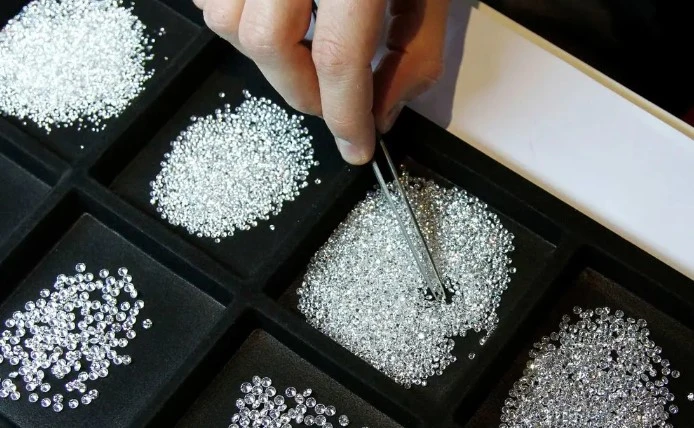

In the world of gemstones, moissanite and diamonds have been two of the most sought-after choices for jewelry aficionados. When it comes to selecting the perfect stone for an engagement ring or any other jewelry piece, the moissanite vs diamond debate often takes center stage. In this article, we will explore the key differences between these dazzling gems to help you make an informed and confident decision. Whether you're in the USA or UK, understanding the unique characteristics of moissanite vs diamonds will ensure you choose the ideal gem for your preferences and budget.
Moissanite vs. Diamond: The Ultimate Comparison
Composition and Origin:
Moissanite is a naturally occurring silicon carbide, but most moissanite gems available today are lab-created to ensure consistent quality and affordability. On the other hand, diamonds are formed from carbon deep within the Earth's mantle over millions of years, resulting in their exquisite brilliance and durability.
Brilliance and Sparkle:
Both moissanite vs diamonds exhibit remarkable brilliance and sparkle, but they differ in their light performance. Moissanite tends to disperse light more effectively than diamonds, creating a rainbow effect, commonly known as the "disco ball effect." Diamonds, on the other hand, offer a distinct white light reflection, often described as a "fire" effect. Your preference for a colorful or classic sparkle will influence your choice.
Hardness and Durability:
Diamonds are the hardest known natural substance, ranking 10 on the Mohs scale of hardness, making them highly resistant to scratches and everyday wear. Moissanite, while still relatively durable with a 9.25 rating on the Mohs scale, is not as hard as diamonds and might be more susceptible to surface abrasions over time.
Color and Clarity:
When it comes to color, moissanite typically has a higher rating on the color scale than diamonds. While diamonds can range from colorless to various hues, moissanite often has a slight yellow or green tint. However, some individuals prefer the unique color properties of moissanite, especially in warmer tones. Regarding clarity, moissanite generally has fewer visible inclusions than diamonds, as diamonds are more likely to have natural imperfections.
Cost:
One of the most significant factors that set moissanite apart from diamonds is the price. Moissanite is significantly more affordable than diamonds of comparable size and quality. This makes moissanite an attractive alternative for budget-conscious buyers who still desire a brilliant and stunning gemstone.
Conclusion:
Ultimately, the choice between moissanite vs diamond comes down to personal preferences and budget considerations. If you value a gemstone with exceptional durability, classic white sparkle, and can afford a higher budget, diamonds might be the ideal choice for you. On the other hand, if you desire a more affordable option with a unique rainbow sparkle and excellent brilliance, moissanite will undoubtedly captivate your heart.
Whether you opt for the timeless allure of diamonds or the mesmerizing charm of moissanite, both gems will undoubtedly make a dazzling addition to your jewelry collection. Take your time, do thorough research, and consider your personal style before making your final decision. Happy gemstone hunting!

























Sign in to leave a comment.