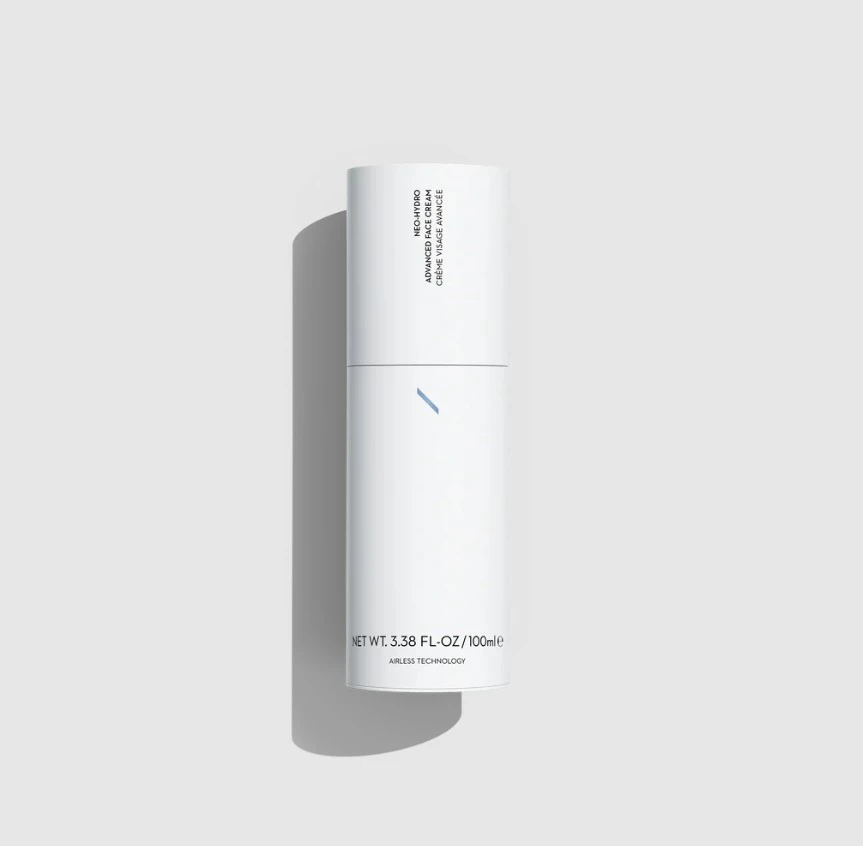

Are you the one who’s confused about choosing the best moisturizer for oneself? It can be quite challenging to select what’s best for your skin due to the presence of multiple formulas that guarantee promising results for skin health. One of the most commonly asked questions from customers and skincare experts is to choose between moisturizing cream vs lotion, which one would actually be superior, and how to determine what your skin needs. Knowing the difference involves the following:
- skin biology,
- lfestyle, and
- long-term skin health
This guide helps you make confident, results-driven decisions by dissecting the true distinctions between creams and lotions. It is inspired by innovative, science-driven skincare concepts like those underlying Neoderma.
Moisturizing Cream Vs Lotion
Formulation lies at the heart of the argument between moisturizing cream Vs lotion. Creams usually have a higher oil content, are richer, and are thicker. Conversely, lotions are water-based, lighter, and more fluid.
Creams are made to preserve the skin by sealing in moisture and aiding in the restoration of the barrier. Lotions are perfect for everyday hydration since they absorb fast, especially in warmer regions or for skin that is prone to oiliness. Neither is "better" in general; the best option depends on your skin's characteristics and deficiencies.
Moisturizing Cream Vs Lotion for Different Skin Types
Skin type is a determining factor when comparing moisturizing cream vs lotion.
- Dry or mature skin often benefits more from creams, as they deliver deeper nourishment and long-lasting hydration.
- Oily or combination skin may prefer lotions, which hydrate without feeling heavy or congesting pores.
- Sensitive skin may require either, depending on barrier health and environmental exposure.
Users frequently worry that their faces feel sticky after moisturizing. This frequently occurs when an excessive amount of product is used or when the formula is inappropriate for the skin type. Sometimes it's a mismatch in texture or application method rather than a product defect.
Why Skin Feels Sticky After Moisturizing
One of the most frequent complaints in skincare routines is when skin feels sticky after moisturizing. This can occur for several reasons:
- Using a cream that’s too rich for your skin
- Layering incompatible products
- Applying excessive amounts
- Not allowing proper absorption time
When it comes to Moisturizing Cream vs Lotion, creams are more likely to produce this feeling if they are applied liberally to skin that doesn't need a lot of protection. Similarly, when the skin barrier is already balanced and doesn't require more richness, a face feels sticky after moisturizing.
Over Moisturizing Face: A Common but Overlooked Issue
In skincare, more isn’t always better. With today’s multi-step procedures, over moisturizing face is quite worrisome. Moreover, overusing rich cream can throw off the skin’s natural equilibrium and cause the following issues:
- congestion,
- dullness, and
- dependence
When comparing Moisturizing Cream vs Lotion, lotions are typically safer to use frequently, whereas creams should be used sparingly, as at night or in the winter. However, the indicators of over-moisturizing include the following:
- excessive shine,
- product pilling, and
- uncomfortable sticky sensation
Double Moisturizing: Smart Strategy or Skincare Myth?
The idea of double moisturizing has gained stability in expert skincare circles. When used properly, it can enhance moisture without overpowering the skin. This method generally starts with a light lotion and then applies a customized cream to areas that require more attention.
Furthermore, double moisturizing focuses on the Moisturizing Cream vs Lotion debate, that knowing how and when to apply both is more important than making a permanent decision. Additionally, combination skin types and seasonal changes benefit greatly from this technique.
Professional Skincare Perspective on Texture and Absorption
Professional-grade skincare, including that inspired by Neoderma, focuses on skin compatibility and bioavailability. Also, superior formulas are made to absorb efficiently and leave little residue behind. If your face feels sticky after moisturizing, it can be a sign that the product doesn't have advanced absorption technology or doesn't meet your skin's actual needs.
From a professional perspective, understanding Moisturizing Cream vs Lotion requires going past labels and concentrating on the following:
- skin response,
- ingredient synergy, and
- formulation quality.
How to Choose Between Moisturizing Cream Vs Lotion
To make the right decision:
- Assess your skin type and environment
- Consider the time of day (day vs night care)
- Pay attention to how your skin feels after application
- Avoid over-layering products unnecessarily
If you notice signs of over moisturizing face, scale back and reassess. If your skin feels tight or dull, a richer cream may be needed. The goal is balance, not excess.
Final Remark
Understanding your skin's evolving demands is more important than picking a winner in the moisturizing cream vs lotion dispute. While lotions provide gentle, daily hydration, creams provide profound nourishment and protection. Both are vital for keeping strong, healthy skin when utilized properly.
You may create a routine that really works by identifying symptoms like skin feels sticky after moisturizing, avoiding over-moisturizing your face, and carefully applying strategies like double moisturizing. Finally, selecting the ideal moisturizer is more about listening to your skin and providing it with what it needs to flourish than it is about following trends.
Not sure if your skin needs a cream or a lotion?
To get a personalized moisturizer recommendation, begin your skin examination right now.





























Sign in to leave a comment.