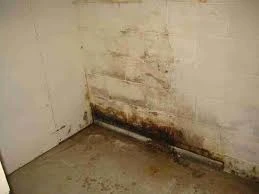

Successful remediation provides a fresh start, but the humid climate of Western New York presents a persistent challenge. Homeowners often feel a sense of relief after the physical mold disappears, yet the environmental conditions that invited the growth often remain. In Monroe County, heavy lake-effect snow and damp summers create a perfect nursery for spores. Professional mold removal in Rochester, NY, settles the immediate crisis, but long-term success requires a shift in moisture management. Preventing regrowth involves a combination of structural maintenance and daily habits. This guide outlines how to maintain a dry, healthy environment to protect your property investment.
Humidity Control and Airflow Essentials
- Maintain indoor relative humidity levels below 50% to prevent spores from activating on organic surfaces.
- Run high-capacity dehumidifiers in basements and crawl spaces year-round to combat ground moisture.
- Place digital hygrometers in high-risk areas like laundry rooms and attics to monitor moisture spikes.
- Pull furniture at least two inches away from exterior walls to ensure air circulates behind large items.
- Use exhaust fans in kitchens and bathrooms during and after every use to vent steam outdoors.
- Avoid drying clothes on indoor racks, as this significantly increases the moisture content in the air.
- Check air conditioning condensate lines for clogs that lead to localized water accumulation and growth.
- Install ceiling fans to keep air moving in rooms with poor natural ventilation or low sunlight.
Winter Maintenance and Roof Ventilation
- Inspect the attic for ice dams during heavy snow cycles to prevent water from backing up under shingles.
- Ensure attic insulation does not block soffit vents, which allow cold air to flush out dampness.
- Seal air leaks around attic hatches and recessed lights to prevent warm, moist house air from entering the rafters.
- Route all exhaust fans directly through the roof rather than venting them into the open attic space.
- Install roof baffles to maintain a clear path for airflow from the eaves to the ridge vents.
- Remove large snow piles from the roof edges using a roof rake to reduce the risk of structural leaks.
- Monitor for condensation on the underside of the roof sheathing during extreme cold snaps in Rochester.
Foundation Care and Exterior Drainage
- Extend downspouts at least six feet away from the home’s foundation to prevent soil saturation.
- Clean gutters twice a year to ensure rainwater flows freely away from the siding and basement walls.
- Grade the soil around the house perimeter so it slopes downward and away from the masonry.
- Test sump pumps regularly and install a battery backup to handle power outages during heavy spring rains.
- Keep window wells clear of leaves and organic debris that trap moisture against the glass and frame.
- Inspect basement walls for new cracks that allow hydrostatic pressure to push water into the living space.
- Remove dense vegetation and mulch that sit directly against the foundation, as these hold moisture.
Technical Standards of Mold Restoration Services
- Professional mold restoration services identify the moisture source before they start cleaning.
- Specialists use HEPA vacuums to remove spores from surfaces and the air.
- Licensed contractors apply EPA-registered antimicrobial treatments to prevent new growth.
- Air scrubbers run during the project to capture microscopic particles.
- Experts remove porous materials like drywall if the mold penetrates the core.
- Post-remediation testing confirms the spore count returns to a safe, natural level.
- Effective mold removal in Rochester, NY, includes a plan to fix the original structural defect.
Using Mold-Resistant Building Materials
- Install moisture-resistant "purple" board when rebuilding basement or bathroom walls.
- Choose semi-gloss paint for damp areas because it resists moisture absorption.
- Use inorganic flooring like tile or luxury vinyl plank in below-grade spaces.
- Apply mold-inhibiting caulk around tubs, showers, and kitchen sinks.
- Opt for closed-cell spray foam insulation to block both air and water.
Professional Support for Rochester Homeowners
Selecting a trusted partner for mold restoration services makes a significant difference in home safety. Local expertise helps residents navigate the unique weather patterns of Monroe County. Many homeowners look for licensed contractors who prioritize source removal over simple cover-ups. Feels Like Home Restorations serves as a reputable option for those seeking professional mold removal in Rochester, NY. Their team understands the technical requirements of the NYS mold law and focuses on high-quality results. They offer detailed inspections and reconstruction to restore a property to its original state.

























Sign in to leave a comment.