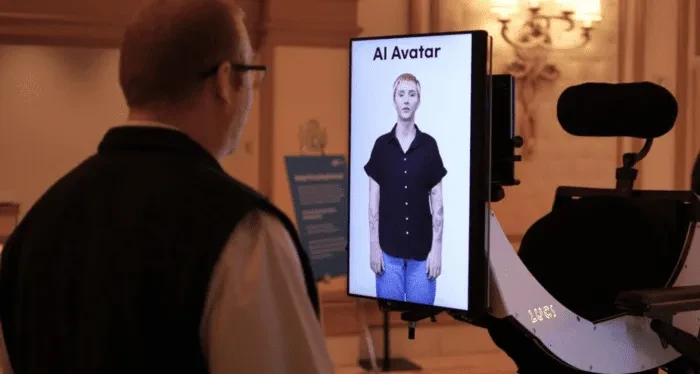
From social media filters to deepfakes, synthetic media is already part of our lives. But the emergence of highly realistic AI avatars moves us into new territory, raising important questions about ethics, identity, and the future of human interaction.
The potential for good is immense. AI avatars can break down barriers, providing voice and presence to those who have lost theirs to illness or serving as personalized tutors for children in underserved communities. They can resurrect historical figures for immersive education or allow filmmakers to tell stories in revolutionary ways.
However, this power comes with responsibility. The ability to create convincing video of anyone saying anything necessitates robust ethical frameworks. The key will be clear labeling and consent. Did the person approve of their likeness being used? Is the audience aware they are watching an AI?
The conversation shouldn't be about stopping the technology, but about guiding it responsibly. As this tech becomes democratized through services like AI Studios, it's crucial for developers, users, and policymakers to prioritize transparency and ethical use. By doing so, we can harness the amazing potential of AI avatars while safeguarding against misuse.



























Sign in to leave a comment.