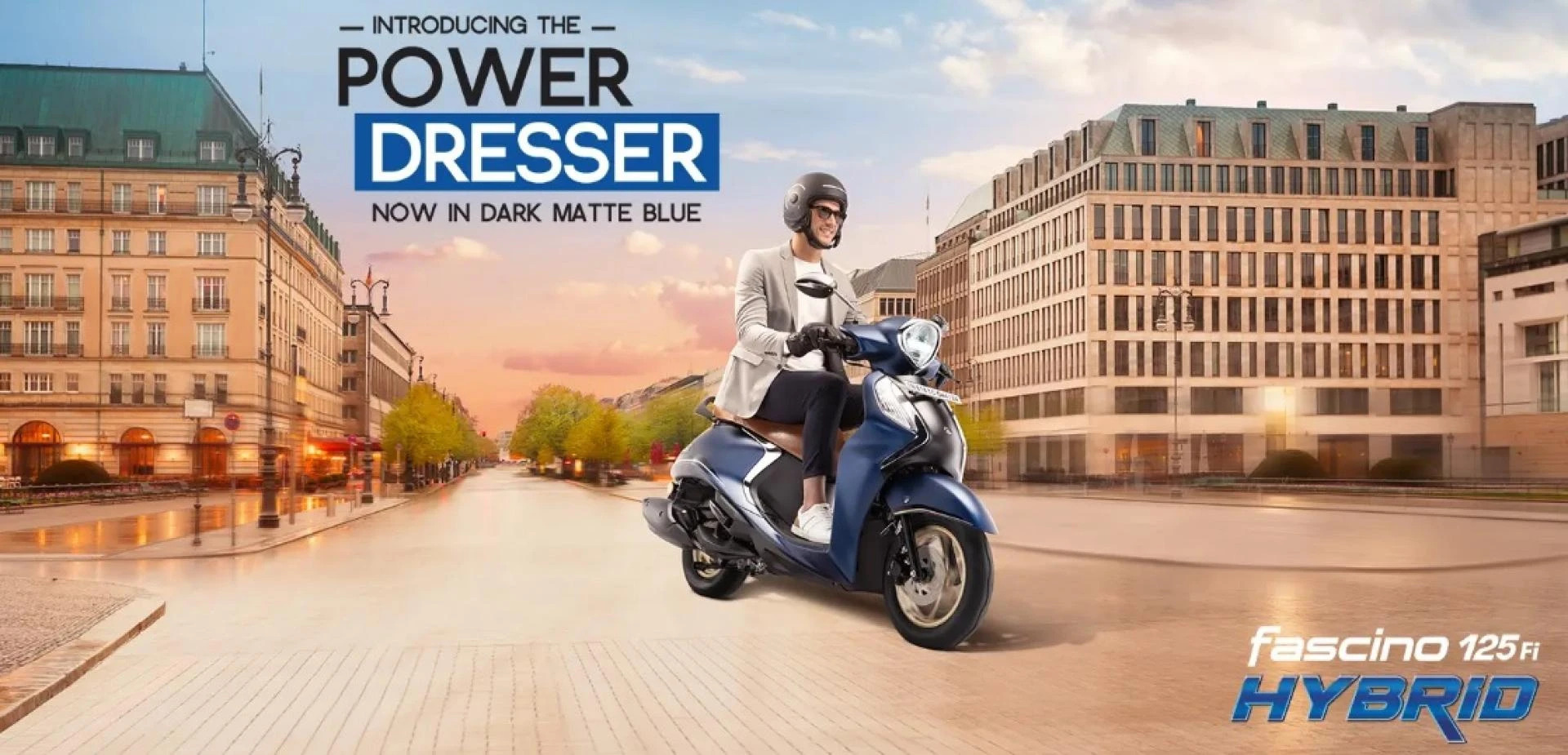

Wearing the right motorcycle protective gear greatly reduces injury risks from crashes. A sturdy helmet, jacket, gloves, pants, and boots specifically designed for motorcycle use provide impact protection. Choose bright colours and reflective material so cars can see you. Well-fitted safety gear that is correctly fastened moves with you to prevent distraction while riding, too.
Take a Safety Course
Even experienced automobile drivers benefit tremendously from taking a motorcycle safety course. Riding schools teach critical skills for braking, turning, swerving, leaning, and handling hazards. Many schools provide training bikes and helmets. Completing an accredited program may also lead to reduced insurance rates. Commit to refreshing important riding knowledge regularly. You can get safe riding from Yamaha Fascino 125, because of this attractive features.
Adjust Suspension
Dialling in suspension by setting preload, compression, and rebound for your particular motorcycle and weight delivers confidence-inspiring stability. Fork oils should also be changed annually to maintain optimal damping. Consider having initial adjustments completed professionally, then make minor tweaks over time for ideal handling. Smooth dives under braking and level rebounds from bumps contribute greatly to control.
Scan Far Ahead
Continuously scanning well ahead of your bike's immediate location expands your situational awareness and available reaction time tremendously. Expert riders actively assess road surfaces, junctions, blind corners, merging lane lines and more even before reaching them. Make scanning everywhere a constant habit, allowing proactively positioning yourself correctly instead of reacting at the last second.
Check Blind Spots
Turn your head physically left and right to verify no vehicles are directly alongside you before changing the road position. Mirrors have blind spots, and distracted drivers may occupy the very space you plan to move into. Make now look over each shoulder before any lateral move part of your muscle memory. Avoiding hazards literally hiding beside you prevents accidents.
Select Appropriate Speed
The posted speed limit may be dangerously fast on a motorcycle, given road conditions. Factoring in sharpness of curves, pavement irregularities, debris, sand, gravel, moisture levels, visibility conditions, and other hazards means appropriately reducing speed is critical. Remember, just because cars take a corner or stretch of roadway at certain speeds does not make them safe for a less stable two-wheeled machine.
Apply Progressive Braking
Using both front and rear motorcycle brakes together supplies optimal stopping power in straight lines and gradual turns. Pedal the rear lightly at first, then add gentle front brake pressure to initiate weight transfer forwards. As traction permits in the curve, smoothly increase the stopping force. Stomping brakes causes locks, leading to catastrophic low sides. Using brakes progressively helps riders slow down effectively.
Separate Risks
When confronted with multiple hazards like oncoming cars, merge lanes, debris-filled corners, slippery surfaces, distracting sights, fatigue and more, all compounding at once, consciously digest and address risks individually. Improve overall awareness capabilities with constant practice identifying and responding to single dangers first. Then, tackle multiple risks with appropriate reactions to each as individual scenarios to overcome.
Practice Emergency Maneuvers
Travel to large empty parking lots without hazards regularly to practice emergency crash avoidance techniques. Simulate vehicles pulling out suddenly, cars cutting you off, or debris appearing around a blind bend. Perform straight-line maximum braking drills, swerving side to side quickly and turning sharply while braking smoothly. The skills acquired may someday save you or a loved one from disaster on the street.
Dress for the Slide
Wear sturdy motorcycle jackets, pants, boots, and gloves always to provide abrasion resistance that withstands painful road rash from tarmac contact during crashes. Denim shreds easily, offering minimal protection, while quality textile motorcycle gear incorporates Kevlar panels and energy-absorbing armour for maximized safety. Assuming you will never crash is unwise, so gear up properly for the inevitable slide, not the ride.
Get Formal Training
Developing riding skills gradually under professional supervision via private lessons or school courses delivers street-ready abilities faster plus makes learning proper techniques easier. Instructors identify and correct bad habits instantly. Practising in controlled environments builds real-world skills. Formal training programs tailored to your education level teach safety as no book, blog, or buddy ever can.
Stay Centered
Remaining centred helps stabilize motorcycles, so keep hips squarely in the seat when stopping, turning, or hitting bumps. Limit unnecessary upper body movements by looking around and holding lightly onto handlebars without putting weight onto your hands and arms. Let the chassis absorb impacts smoothly underneath you instead of upsetting the bike by moving across it. Good riding posture leads to greater control.
Obey Traffic Laws
Ignoring basic traffic rules imperils motorcyclists terribly due to vulnerability from smaller vehicle sizes. Running stop signs, passing on double yellow lines, lane splitting illegally, using fake license plates, allowing hit-and-run incidents after collisions and neglecting legally mandated safety equipment harm the public perception of responsible riders. Plus, blatant recklessness promotes additional anti-bike legislation restricting all motorcyclists' rights.
Stay Sober
Powersports and alcohol do not mix safely. Consuming intoxicating beverages of any amount severely dulls reflexes, hampers coordination, degrades hazard recognition capabilities and emboldens dangerous risk-taking rapidly for motorcycle operators. Reaction times and situational analyses suffer greatly even after just one or two drinks. For their own and the public's safety, responsible riders simply never drink and ride. Period.
Monitor Road Conditions
Vigilant riders continuously monitor roadway surfaces for loose gravel, standing water, exposed maintenance hole covers, fresh tar strips, faint lane markings and other hazards requiring immediate responses while riding. Making constant adjustments to path selection, speed, or position minimizes risks dramatically from changing conditions. Assuming roads stay consistent mile after mile leads eventually to an accident.
Ride at Pace
Attempting to ride beyond current skill levels or comfort zones contributes to loss of control crashes often. Be honest about capabilities compared to highly experienced riders and ignore any peer pressure encouraging moving faster over, through or around hazards before sufficient training occurs. Remaining within personal abilities ensures continuing to gain experience safely over time. Yamaha fascino on road price can help people to enhance their riding experience.
Stay Alert
Ride only when rested, fueled up, and mentally focused. Drowsy, exhausted, intoxicated, or distracted motorcyclists face far higher risks than their attentive counterparts. Maintain sharp hazard perception capabilities plus quick reaction skills always through proper self-care before and during all rides. Navigate risks safely for mile after mile by staying mentally and physically on your game always.
Conclusion
By applying the dedicated study of motorcycle safety measures, equipping bikes properly, wearing the right gear consistently, developing advanced riding skills continually, and honouring all regional regulations adamantly, riders thrive happily, enjoying miles of smiles for years on amazing two-wheeled machines. Stay safe out there, fellow riders!




















Sign in to leave a comment.