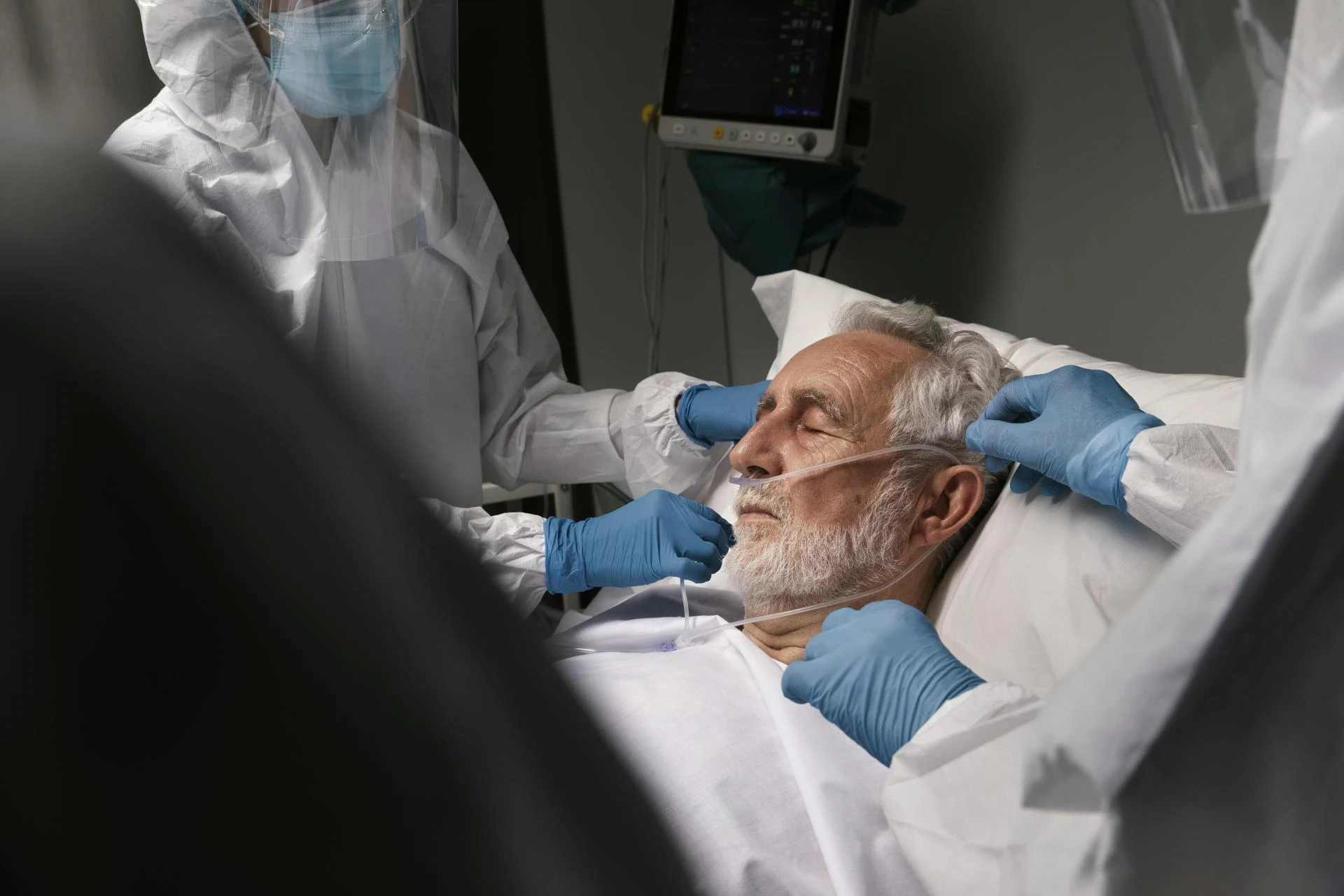

Movement disorder treatment is essential for managing conditions that affect how the body moves, including issues with coordination, speed, and control. These disorders can develop gradually and may impact daily activities such as walking, writing, or even speaking. For both patients and caregivers, understanding movement disorder treatment is important to ensure timely care and better long-term outcomes. With the right approach, many symptoms can be managed effectively, allowing individuals to maintain independence and improve their quality of life.
What Are Movement Disorders?
Movement disorders are neurological conditions that cause abnormal voluntary or involuntary movements. They can affect people of different ages and may vary in severity depending on the underlying cause. Recognising these conditions early helps in starting the right movement disorder treatment at the right time.
Common Types of Movement Disorders
Some well-known movement disorders include Parkinson’s disease, essential tremor, dystonia, and Huntington’s disease. Each of these conditions has unique symptoms, which is why movement disorder treatment must be personalised for every patient.
Key Symptoms to Watch For
Symptoms often include tremors, muscle stiffness, slowed movement, poor balance, and involuntary jerking. If these signs continue or worsen, it is important to seek professional advice for proper diagnosis and care.
Why Movement Disorder Treatment Matters
Proper movement disorder treatment helps reduce symptoms, improve physical function, and enhance overall well-being. Without treatment, symptoms may progress and make daily life more challenging. Early and consistent care can slow the progression and help patients stay active.
Benefits of Early Intervention
Starting movement disorder treatment early can lead to better symptom control and improved long-term results. It also allows patients and caregivers to plan and manage the condition more effectively.
Role of Caregivers in Treatment
Caregivers play a crucial role in supporting patients throughout their treatment journey. From helping with medications to assisting in daily activities, their involvement can significantly improve outcomes.
Types of Movement Disorder Treatment
There are multiple approaches to movement disorder treatment, depending on the condition and its severity. A combination of treatments is often recommended for the best results.
Medications
Medications are commonly used to control symptoms such as tremors, stiffness, and muscle spasms. The type and dosage are carefully adjusted based on the patient’s condition and response.
Physical and Occupational Therapy
Therapy is an important part of movement disorder treatment. Physical therapy helps improve strength, flexibility, and balance, while occupational therapy focuses on making daily tasks easier and more manageable.
Advanced Treatment Options
In certain cases, advanced treatments like deep brain stimulation (DBS) may be considered. This procedure helps regulate abnormal brain signals and can significantly improve movement control in suitable patients.
Daily Life and Long-Term Management
Managing a movement disorder is a long-term process that goes beyond medical treatment. Lifestyle adjustments and consistent care are essential parts of movement disorder treatment.
Importance of Exercise
Regular exercise helps maintain mobility, improve balance, and reduce stiffness. It is often recommended as a key component of treatment plans.
Emotional and Mental Well-Being
Living with a movement disorder can be challenging, both physically and emotionally. Support from family, friends, and support groups can help patients cope better and stay motivated.
When to Seek Professional Help
If symptoms such as tremors, stiffness, or coordination issues persist or interfere with daily life, it is important to consult a specialist. Early diagnosis and proper movement disorder treatment can prevent complications and improve overall outcomes.
Conclusion
Movement disorder treatment is a comprehensive approach that includes medication, therapy, and lifestyle management. For patients and caregivers, understanding the condition and available treatment options is key to managing symptoms effectively. With proper care, timely intervention, and ongoing support, individuals with movement disorders can lead more active and fulfilling lives.


























Sign in to leave a comment.