
For many medical graduates, earning the Membership of the Royal Colleges of Physicians (MRCP) is an important milestone toward building a strong clinical career. The journey begins with MRCP Part 1, the first and foundational step of the three-part examination. This test assesses your understanding of basic medical sciences and your ability to apply clinical knowledge in real-world scenarios.
In this article, we break down what MRCP Part 1 is, what it includes, and how you can prepare effectively.
What is MRCP Part 1?
MRCP Part 1 is a written examination designed to evaluate your core knowledge in medicine before you progress to more advanced clinical assessments. It focuses on the scientific principles that support clinical practice, testing how well you can apply medical facts to diagnose and manage patient cases.
This exam is taken by doctors across the world, making it one of the most recognized postgraduate qualifications in medicine.
Exam Format
MRCP Part 1 consists of:
- Two papers
- 100 multiple-choice questions (MCQs) per paper
- Single Best Answer (SBA) format
- Each paper is 3 hours long
You must complete both papers on the same day.
The questions are designed to test broad clinical understanding and your ability to prioritize the most appropriate answer from multiple choices.
Subjects Covered
The exam spans a wide range of subjects, including:
- Cardiology
- Endocrinology
- Gastroenterology
- Respiratory Medicine
- Neurology
- Nephrology
- Hematology
- Infectious Diseases
- Psychiatry
- Dermatology
- Ophthalmology
- Applied basic sciences (including physiology, pharmacology & clinical anatomy)
Each specialty contributes a specific weightage, ensuring the exam remains balanced and comprehensive.
Why Is MRCP Part 1 Important?
Passing Part 1 is a gateway to:
- MRCP Part 2 Written
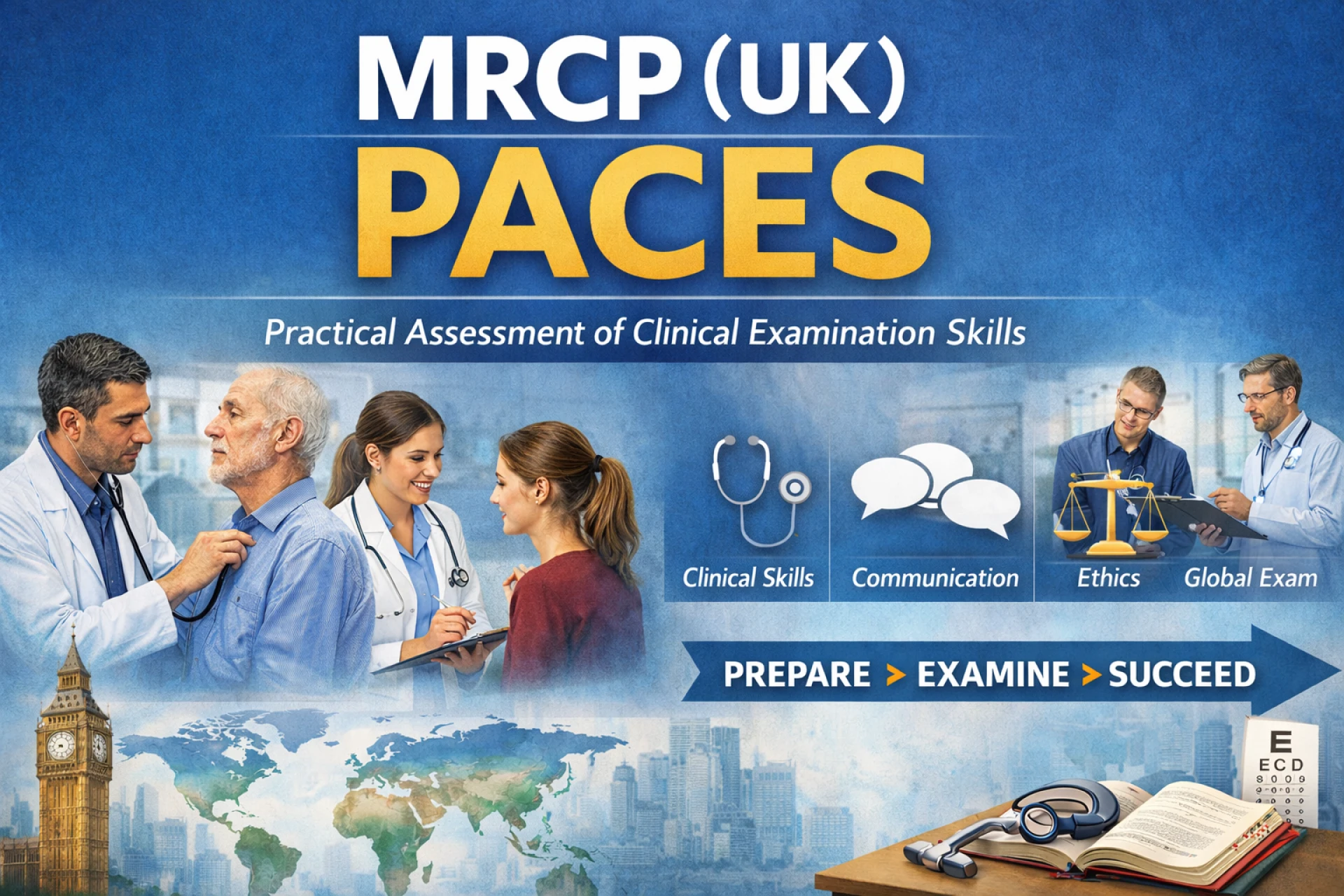
- MRCP PACES (Clinical Exam)
- Better clinical roles in hospitals
- Higher training positions in internal medicine
- Improved career opportunities abroad (especially UK, Middle East & Europe)
It establishes your foundation and ensures you have the essential knowledge required for advanced clinical decision making.
Who Can Apply?
You must have:
- A medical degree approved by the GMC (General Medical Council),
- 12 months of postgraduate clinical experience.
Doctors in India, the UK, and many other countries commonly take this exam early in their postgraduate journey.
How to Prepare Effectively
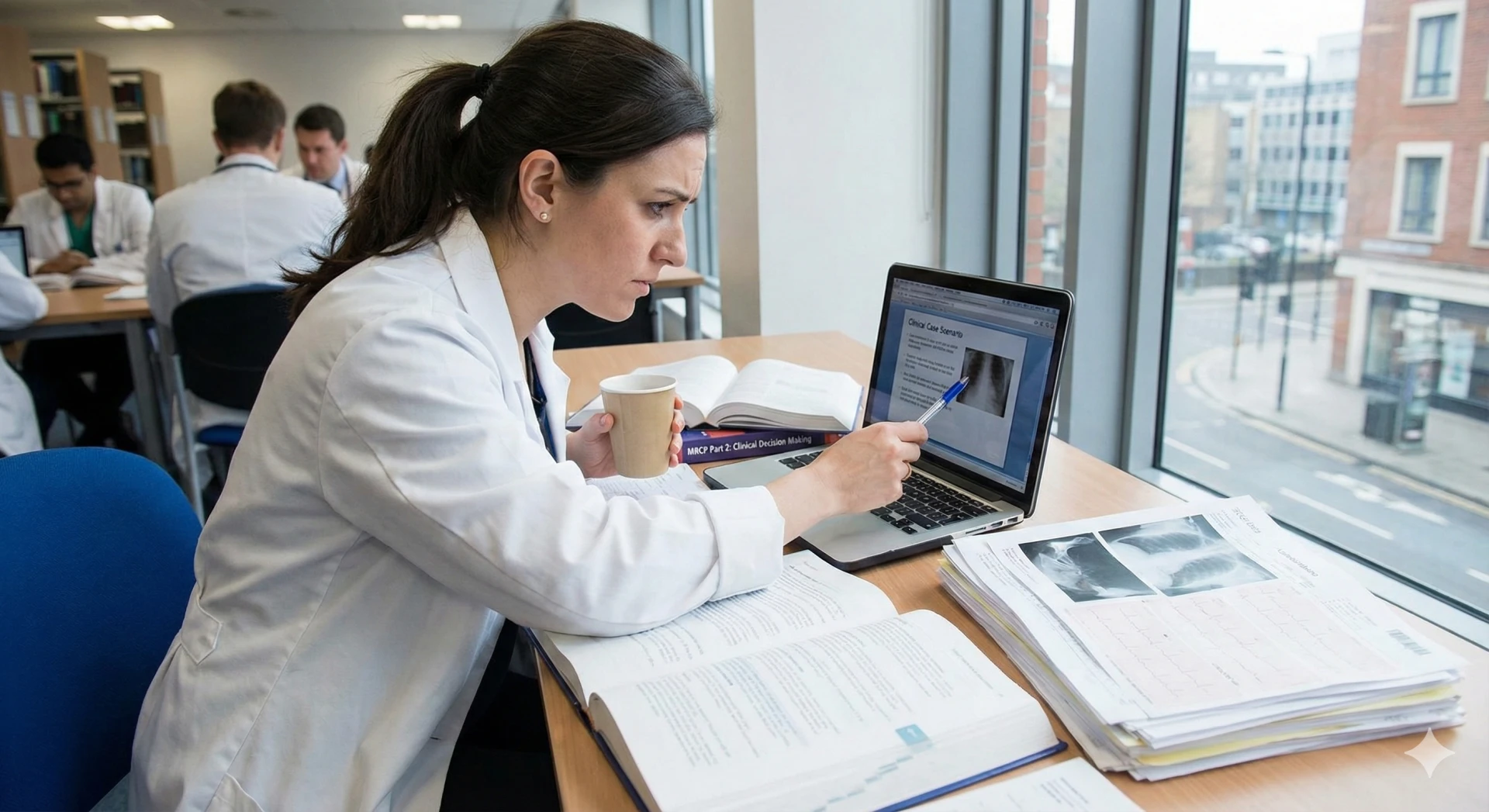
Preparing for MRCP Part 1 requires discipline and a well-structured plan. Here are some proven strategies:
1. Understand the Syllabus:
Start with reviewing the official MRCP syllabus to know the topics and weightage.
2. Solve Question Banks:
Regular practice with high-quality Qbanks is key. They help strengthen recall, identify weak areas, and improve exam-style thinking.
3. Revise Consistently:
Follow a weekly revision routine to reinforce what you’ve learned. MRCP is more about application than memorization.
4. Analyze Mock Tests:
Mock exams help simulate the real test environment and improve time management.
5. Join a Structured Course:
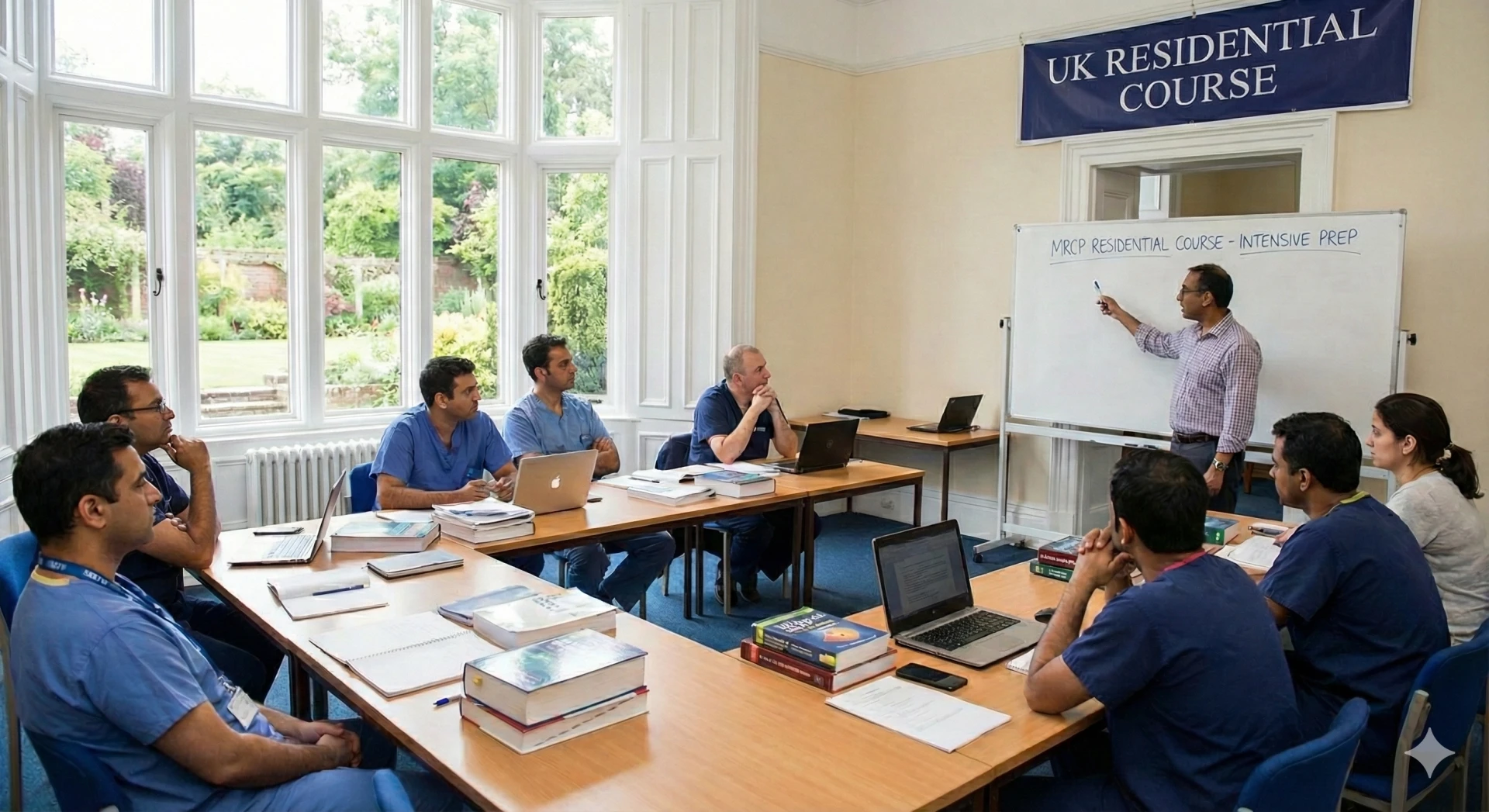
Many candidates benefit from guided preparation through expert-led online or offline courses. These help simplify complex topics and keep your study schedule on track.
Final Thoughts
MRCP Part 1 is a challenging yet rewarding exam. With the right preparation, consistency, and resources, you can clear it confidently and take the next step in your medical career. This qualification not only strengthens your clinical foundation but also opens doors to global opportunities.
If you’re planning to appear for MRCP Part 1, start early, practice regularly, and stay focused. Your journey towards becoming an internationally recognized physician begins here.

























Sign in to leave a comment.