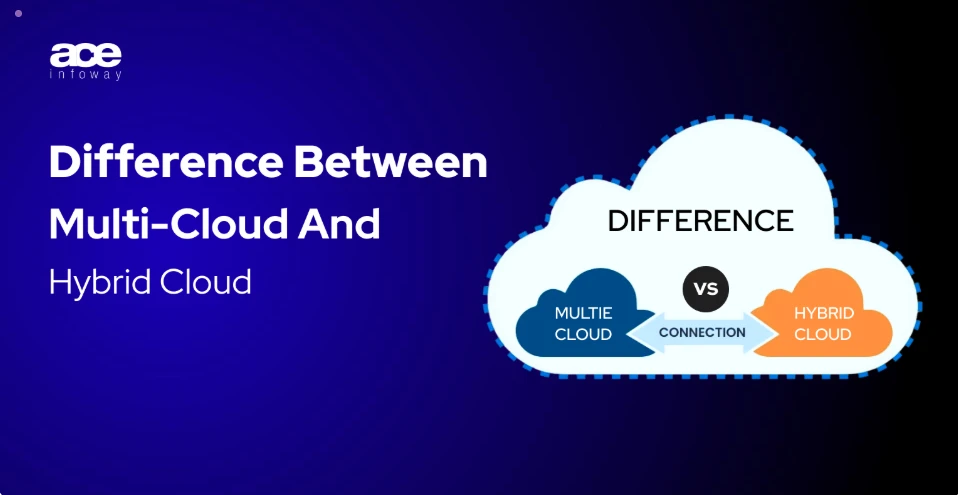

In today’s digital-first economy, the question isn’t whether to use the cloud, but which architecture will drive the most growth. As we move through 2026, two primary strategies—Multi-Cloud and Hybrid Cloud—have become the standard for resilient enterprises.
While they may sound similar, choosing the wrong one can lead to "integration debt" and skyrocketing costs. Understanding the nuance is the first step toward a high-performing infrastructure.
What is Multi-Cloud? (The Best-of-Breed Approach)
A multi-cloud strategy involves using services from two or more public cloud providers (such as AWS, Google Cloud, and Microsoft Azure). In this model, you don't necessarily have a private data center; instead, you distribute workloads to leverage the specific strengths of each provider.
Why Companies Choose It:
- Zero Vendor Lock-in: You aren't beholden to one provider's pricing or outages.
- Specialized Features: Using Google for AI, AWS for hosting, and Azure for enterprise integration.
- Resilience: If one provider goes down, your business stays online via the other.
What is Hybrid Cloud? (The Balanced Powerhouse)
A hybrid cloud merges a private cloud (or on-premises servers) with one or more public clouds. The key here is interoperability. Data and applications can move seamlessly between the two, creating a single, unified ecosystem.
Why Companies Choose It:
- Security & Compliance: Keep sensitive data on your own hardware while scaling apps in the public cloud.
- Legacy Integration: Modernize your business without abandoning expensive on-site servers.
- Cloud Bursting: Use your private servers for daily work, then "burst" into the public cloud during peak traffic spikes.
For a deeper technical comparison of these architectures, explore the full guide on Multi Cloud Vs Hybrid Cloud.
Strategic Comparison: At a Glance
| Feature | Multi-Cloud | Hybrid Cloud |
|---|---|---|
| Infrastructure | 2+ Public Cloud Providers | Public Cloud + Private/On-prem |
| Main Goal | Flexibility & Specialized Services | Control & Gradual Modernization |
| Data Gravity | Distributed across vendors | Centralized in private/on-prem |
| Cost Model | Pay-as-you-go (Opex) | Capital (Capex) + Operational (Opex) |
| Best For | Global SaaS & Tech Startups | Finance, Healthcare, & Large Enterprises |
Real-World Example: The Streaming Service Evolution
Imagine a global streaming platform like Netflix or Hulu:
- The Hybrid Phase: Initially, the platform keeps its core user database and proprietary encryption keys on private, on-premises servers for maximum security (Hybrid Cloud).
- The Multi-Cloud Shift: As they expand globally, they use AWS for content delivery in North America but switch to Azure for their European operations to comply with specific regional data laws. Simultaneously, they use Google Cloud’s AI to power their recommendation engine. This is a Multi-Cloud strategy in action—picking the best tool for every job.
Helping Things for Your Implementation
Transitioning to these models requires the right toolkit. Here are four essential "helping things":
- Kubernetes (K8s): This is the industry standard for making apps portable. It allows you to move your software between different clouds without having to rewrite the code.
- FinOps Tools: Managing costs across multiple clouds is difficult. Tools like CloudHealth or Apptio help track every dollar spent so you don't get a "bill shock" at the end of the month.
- Infrastructure as Code (Terraform): Instead of manually setting up servers, you write code that tells the cloud what to build. This ensures your setup is identical across all providers.
- Edge Computing: In 2026, many hybrid models use "Edge" nodes to process data closer to the user, reducing latency for real-time applications like AR or autonomous logistics.
Final Verdict
- Go Multi-Cloud if your priority is high availability, avoiding vendor dependency, and accessing "best-in-class" specialized tools.
- Go Hybrid Cloud if you deal with highly regulated data, have existing on-site hardware, or need the ultimate level of security control.





















Sign in to leave a comment.