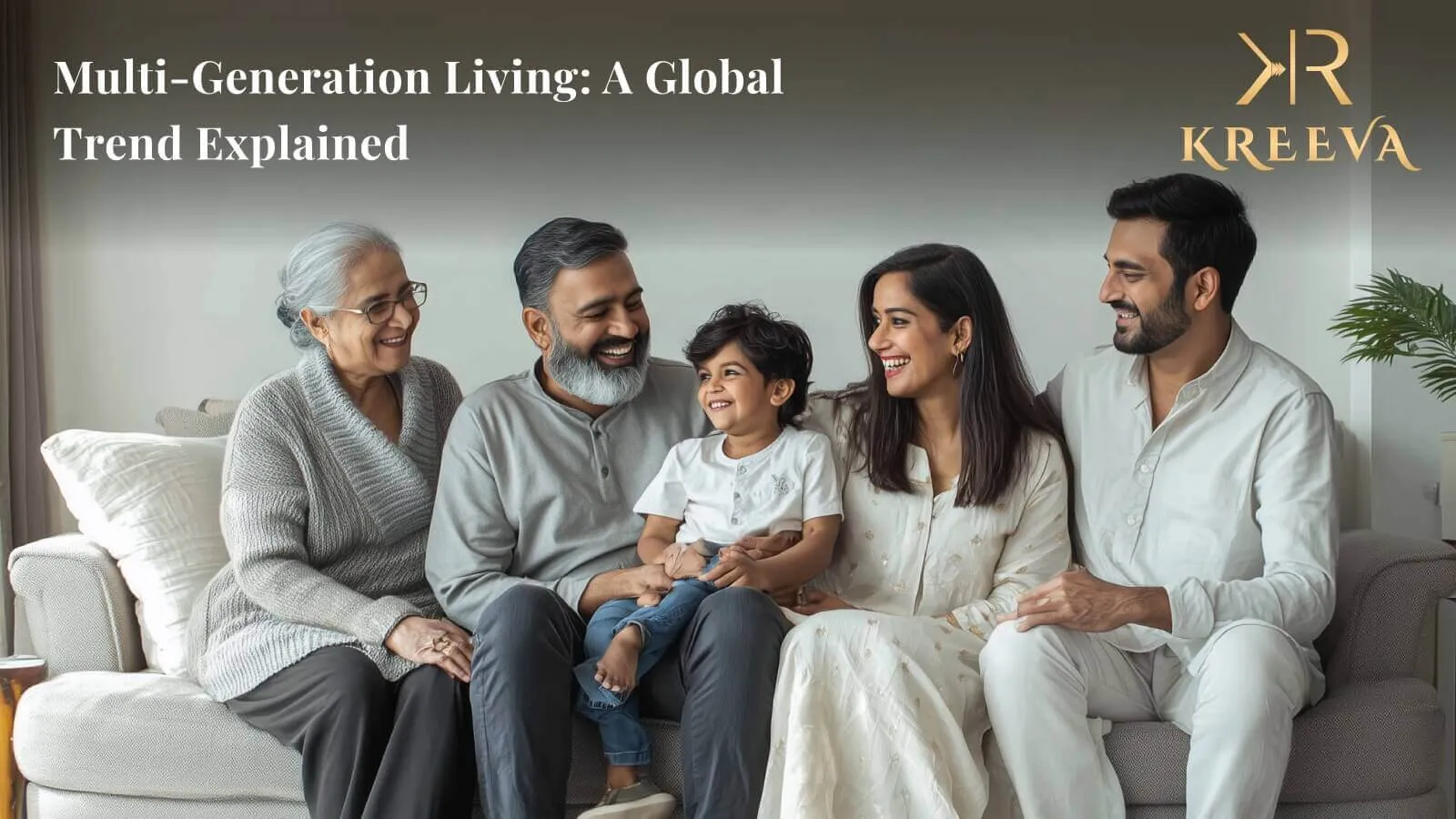

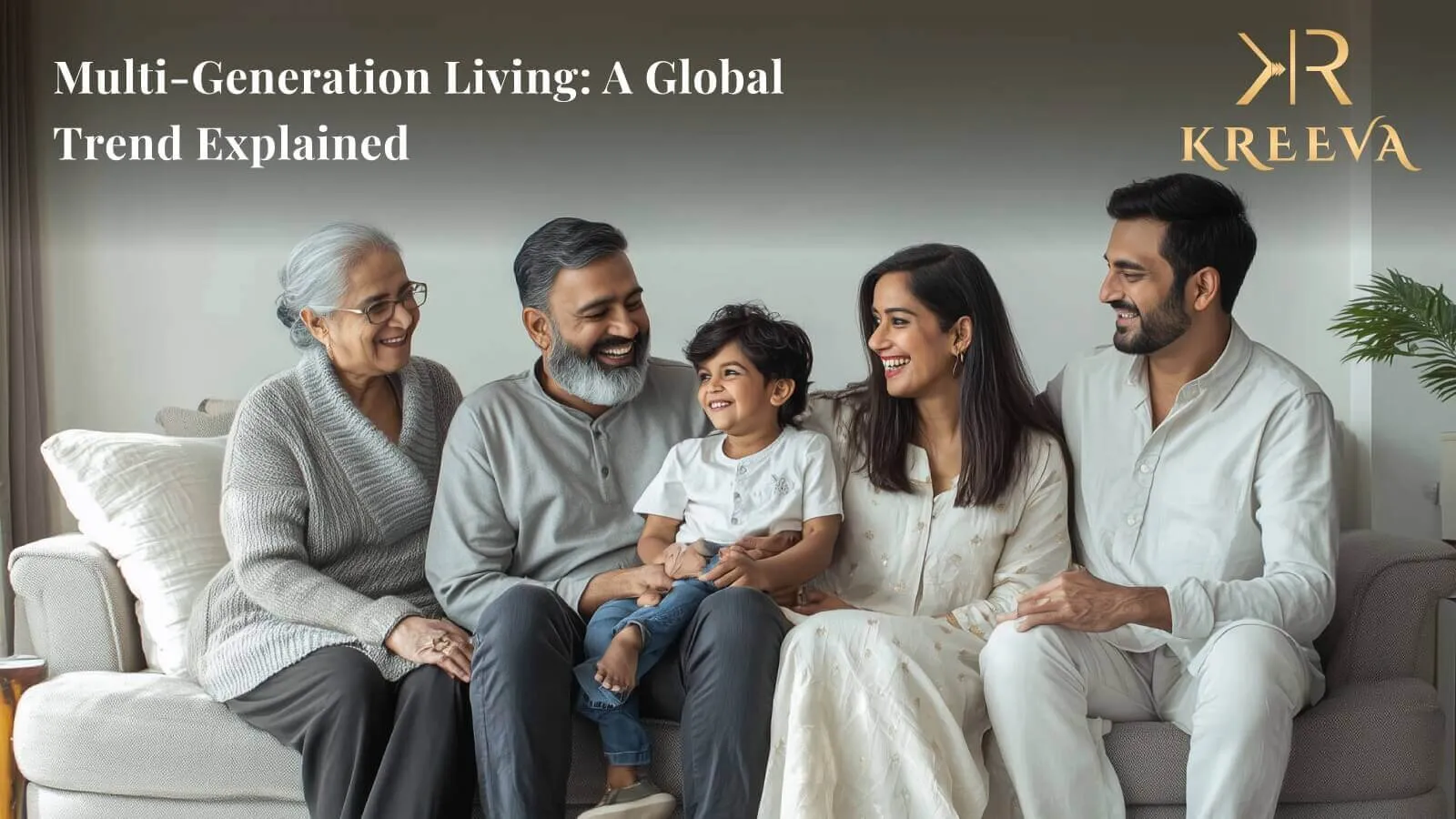
The way families live is changing rapidly, and one of the biggest housing trends today is Multi-Generation Living. More families are choosing homes where grandparents, parents, and children can live together under one roof while maintaining comfort, privacy, and convenience. This lifestyle is becoming increasingly popular because it offers financial benefits, stronger family bonds, and practical support for every generation.
Whether driven by rising housing costs, caregiving needs, or the desire for closer family relationships, Multi-Generation Living is redefining what a modern home looks like. Real estate developers and homebuyers alike are recognizing the value of homes designed for multiple generations.
What is Multi-Generation Living?
Multi-Generation Living refers to a household where two or more adult generations live together in one property. This may include grandparents, adult children, parents, and grandchildren sharing the same home while maintaining separate living areas or communal spaces.
Unlike traditional family living arrangements, today’s multi-generational homes are intentionally designed to offer privacy and functionality. These homes may include:
- Separate entrances
- Dual kitchens or kitchenettes
- Multiple master suites
- Ground-floor bedrooms for seniors
- Private bathrooms
- Shared recreational spaces
This modern concept blends togetherness with independence, making it attractive to a wide range of families.
Why Multi-Generation Living is Growing in Popularity
There are several reasons why multi-generation living is becoming a preferred choice for homeowners.
1. Rising Property Prices
In many cities, housing prices continue to rise, making it harder for first-time buyers or young couples to purchase homes independently. Sharing one property allows families to pool financial resources, reduce mortgage burdens, and split utility costs.
2. Elder Care Support
As parents age, many families prefer to keep elderly loved ones close rather than relying on assisted living facilities. Multi-generational homes make caregiving easier while allowing seniors to remain part of daily family life.
3. Childcare Assistance
Grandparents often play an important role in helping with childcare. Living together creates a supportive environment where working parents can rely on family members for help.
4. Stronger Emotional Connections
One of the biggest benefits of Multi-Generation Living is the ability to create deeper family relationships. Children grow up with grandparents nearby, and families enjoy more shared experiences.
Benefits of Multi-Generation Living for Homeowners
Choosing Multi-Generation Living can bring both emotional and financial advantages.
Cost Savings
Sharing housing expenses such as mortgage payments, electricity, groceries, and maintenance can significantly reduce monthly costs for all family members.
Better Use of Space
Larger homes with flexible layouts make it easier to accommodate changing family needs over time.
Increased Property Value
Homes designed for multiple generations are becoming more desirable in the real estate market. Features like guest suites, annexes, and private entrances can increase resale appeal.
Shared Responsibilities
Family members can divide household responsibilities such as cooking, cleaning, childcare, and caregiving, reducing stress for everyone.
Features to Look for in a Multi-Generational Home
If you are considering Multi-Generation Living, choosing the right property is essential. Here are key features to prioritize:
Private Living Zones
Separate bedrooms, bathrooms, or independent suites help preserve privacy for each generation.
Accessibility
Ground-floor bedrooms, wider hallways, step-free access, and senior-friendly bathrooms are valuable for aging family members.
Spacious Common Areas
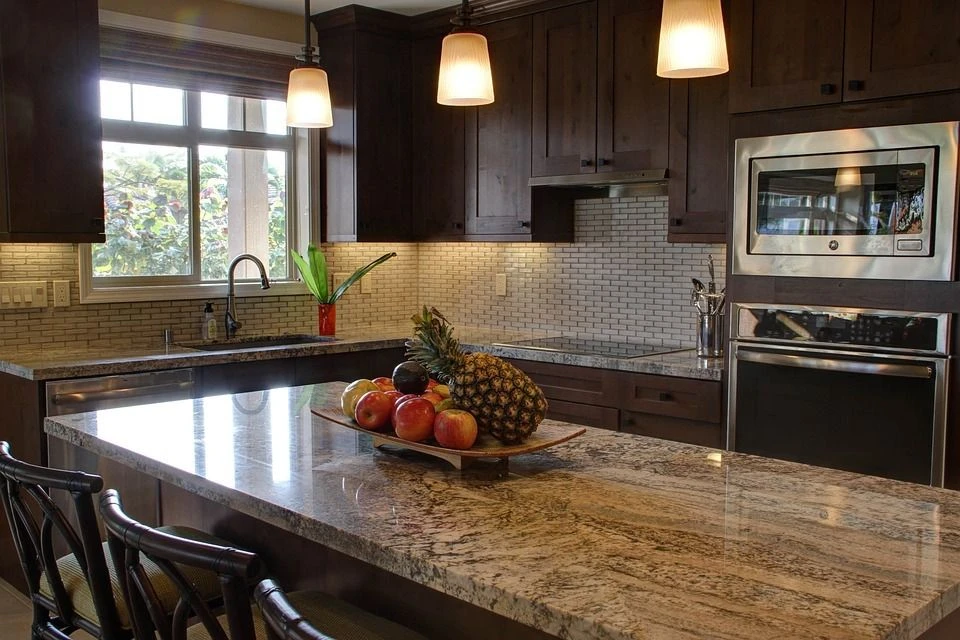
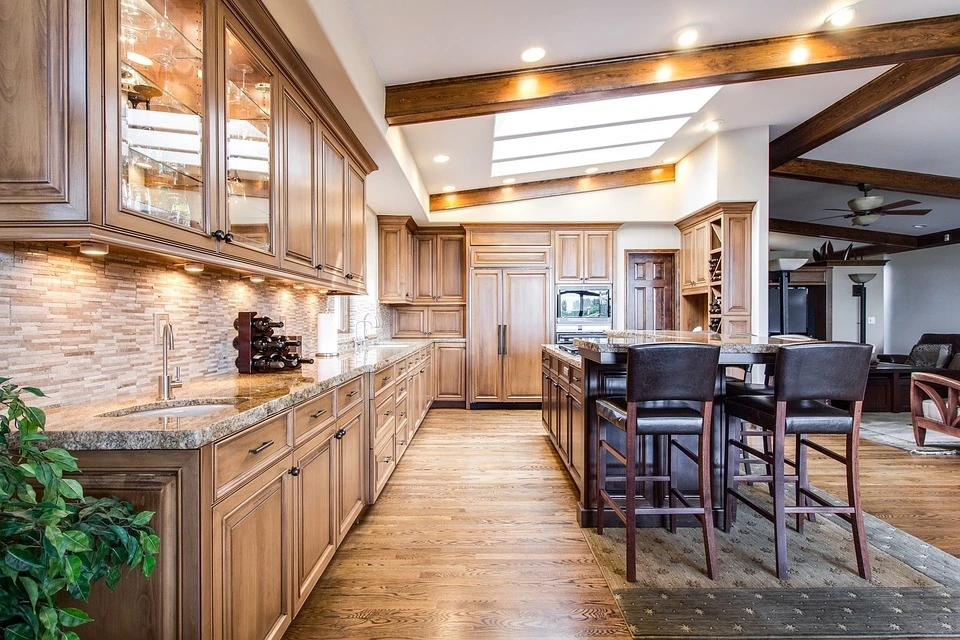
Open-plan kitchens, dining areas, and living rooms encourage family interaction and shared time.
Flexible Floor Plans
Homes with adaptable spaces such as offices, dens, or guest rooms can evolve as family needs change.
Outdoor Space
Gardens, patios, and balconies provide extra relaxation areas for different generations.
Why Real Estate Buyers Prefer Multi-Generation Living
Homebuyers today are thinking long term. Instead of buying a house that only suits their current needs, many are searching for homes that can support their family for years to come. Multi-Generation Living offers flexibility and security.
For example:
- Young adults can save money while building careers
- Elderly parents receive family support
- Children benefit from a nurturing environment
- Parents gain help balancing work and home life
This makes multi-generational homes a smart investment for future-focused buyers.
Challenges of Multi-Generation Living and How to Manage Them
While Multi-Generation Living offers many advantages, clear communication is important for success.
Privacy Concerns
Different generations may have different routines or lifestyles. Homes with private spaces help reduce conflicts.
Financial Expectations
Families should discuss contributions for bills, groceries, and maintenance in advance.
Household Rules
Setting expectations about chores, guests, and quiet hours can create harmony.
Space Management
Choosing a property with enough bedrooms, bathrooms, and communal areas is key.
With proper planning, these challenges can be managed effectively.
The Future of Multi-Generation Living in Real Estate
The demand for Multi-Generation Living is expected to continue growing. Builders and developers are already adapting by creating homes with dual living spaces, attached suites, and flexible floor plans.
As family dynamics evolve, the traditional single-family home model is shifting. Buyers now want homes that support aging parents, adult children, and growing families all at once.
Real estate markets that offer homes tailored to this trend are likely to see strong interest from buyers looking for practical and future-ready solutions.
Final Thoughts
Multi-Generation Living is more than a housing trend, it is a smart lifestyle choice that combines affordability, convenience, and family connection. By bringing generations together in one thoughtfully designed home, families can enjoy shared support while maintaining independence.
For homebuyers, investors, and developers, understanding the rise of Multi-Generation Living is essential in today’s changing property market. As demand increases, homes designed for multiple generations will continue to shape the future of real estate.


















Sign in to leave a comment.