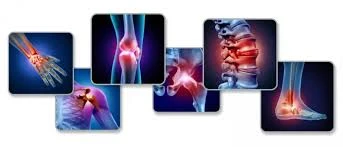

Muscle relaxants are medications designed to ease muscle tension, reduce pain, and improve mobility. They are commonly prescribed for conditions like muscle spasms, injuries, or chronic pain. These drugs work by targeting the nervous system or directly affecting muscle fibers. Understanding how they function can help you make informed decisions about their use.
What Are Muscle Relaxants?
Muscle relaxants are drugs that help relieve muscle stiffness, spasms, and pain. They are often prescribed for short-term use to treat acute muscle injuries or conditions like back pain. Some muscle relaxants act on the central nervous system, while others work directly on the muscles. They are not a cure for underlying conditions but provide temporary relief.
Doctors may prescribe muscle relaxants for conditions such as sprains, strains, or spinal cord injuries. They are also used in cases of chronic pain disorders like fibromyalgia. However, these medications are not suitable for everyone. They can cause side effects and interact with other drugs.
Types of Muscle Relaxants
Muscle relaxants fall into two main categories: antispasmodics and antispastics. Antispasmodics treat sudden muscle spasms, often caused by injuries. Antispastics are used for chronic conditions like multiple sclerosis or cerebral palsy, where muscle stiffness is a persistent issue.
Common antispasmodic drugs include cyclobenzaprine and methocarbamol. These are typically prescribed for short-term use. Antispastic drugs like baclofen and dantrolene are used for long-term management of muscle stiffness in neurological disorders.
How Do Muscle Relaxants Work?
Muscle relaxants work in different ways depending on their type. Antispasmodics act on the central nervous system to reduce muscle spasms. They block pain signals between the nerves and the brain, helping muscles relax. Antispastics target the muscles directly, preventing them from contracting too much.
For example, cyclobenzaprine works by altering nerve signals in the brainstem, reducing muscle activity. Baclofen mimics a neurotransmitter called GABA, which calms overactive nerves in the spinal cord. Dantrolene interferes with calcium release in muscle cells, preventing excessive contractions.
Benefits of Muscle Relaxants
Muscle relaxants provide relief from pain and stiffness, improving mobility and quality of life. They are effective for treating acute muscle injuries and managing chronic conditions. By reducing muscle spasms, they help patients recover faster and perform daily activities with less discomfort.
These medications are particularly useful for people with back pain, neck pain, or muscle strains. They can also help those with neurological disorders regain some control over their muscle movements. When used correctly, muscle relaxants can be a valuable part of a treatment plan.
Side Effects of Muscle Relaxants
While muscle relaxants offer many benefits, they can also cause side effects. Common side effects include drowsiness, dizziness, and dry mouth. Some people may experience nausea, headaches, or blurred vision. These effects are usually mild and go away as the body adjusts to the medication.
In rare cases, muscle relaxants can cause serious side effects like liver damage or allergic reactions. Long-term use may lead to dependence or withdrawal symptoms. It is important to follow your doctor’s instructions and report any unusual symptoms.
Who Should Avoid Muscle Relaxants?
Muscle relaxants are not suitable for everyone. People with certain medical conditions should avoid them or use them with caution. These include individuals with liver disease, kidney disease, or a history of substance abuse. Pregnant or breastfeeding women should consult their doctor before taking these medications.
Older adults are more sensitive to the side effects of muscle relaxants, especially drowsiness and dizziness. This increases the risk of falls and injuries. Always inform your doctor about your medical history and current medications to avoid potential complications.
How to Use Muscle Relaxants Safely
To use muscle relaxants safely, follow your doctor’s instructions carefully. Take the prescribed dose and do not exceed it. Avoid alcohol while taking these medications, as it can increase drowsiness and dizziness. Do not drive or operate heavy machinery until you know how the drug affects you.
Muscle relaxants are usually prescribed for short-term use. Long-term use can lead to tolerance, dependence, or reduced effectiveness. If your symptoms do not improve, consult your doctor. They may adjust your dosage or recommend alternative treatments.
Alternatives to Muscle Relaxants
If muscle relaxants are not suitable for you, there are other options to manage muscle pain and stiffness. Physical therapy can help strengthen muscles and improve flexibility. Heat or cold therapy can reduce inflammation and ease discomfort. Over-the-counter pain relievers like ibuprofen or acetaminophen may also provide relief.
Lifestyle changes can make a big difference. Regular exercise, proper posture, and stress management can prevent muscle tension. In some cases, alternative therapies like acupuncture or massage may be beneficial. Always discuss these options with your healthcare provider.
When to See a Doctor
If you experience severe or persistent muscle pain, consult a doctor. They can diagnose the underlying cause and recommend appropriate treatment. Do not self-medicate with muscle relaxants, as they may not be suitable for your condition. Seek immediate medical attention if you have symptoms like difficulty breathing, swelling, or severe dizziness.
Conclusion
Muscle relaxants are effective medications for relieving muscle pain and stiffness. They work by targeting the nervous system or muscle fibers, providing temporary relief. While they offer many benefits, they can also cause side effects and are not suitable for everyone. Always use them under medical supervision and explore alternative treatments if needed. Understanding how muscle relaxants work can help you use them safely and effectively.





























Sign in to leave a comment.