

Running an online store in 2025 is a whole different game. Just listing products and adding a checkout button doesn’t cut it anymore. Customers expect more-faster loading, easier navigation, and a shopping experience that feels personal.
I’ve worked with a bunch of businesses on their online stores. And one thing keeps coming up: the right features make a massive difference. So here’s a list of the must-haves your eCommerce site needs in 2025, based on what actually works.
1. Mobile-First Design
Most people shop from their phones now. If your site doesn’t work well on mobile, you’re missing out.
It should load fast, look clean, and be super easy to use on a small screen. Big buttons, quick navigation, and no pinching to zoom. That’s the standard now.
Plus, Google prioritizes mobile-friendly websites in search results. So it’s not just about user experience-it’s also about visibility. A mobile-first design can directly impact how much traffic you get.
2. Smart Search and Recommendations
Nobody wants to dig through endless product pages. Your search bar should be smart-suggest things, correct spelling, and help people find what they need.
Also, show product suggestions based on what they looked at or bought before. It feels more personal, and it helps increase sales.
It’s like walking into a store where someone remembers your taste. It saves time, feels helpful, and improves customer satisfaction.
3. Easy, One-Page Checkout
Let’s keep it real-nobody likes a long checkout. If it feels like a chore, people just leave.
One-page checkout is the way to go. Make it simple, let users check out without creating an account, and add fast payment options like Apple Pay or Google Pay.
Every extra step is a chance to lose a sale. A fast, clear, one-page checkout keeps things smooth and boosts conversions.
4. Voice Search Support
With so many people using voice assistants, voice search is becoming a big deal. Your site should be ready for that.
Make sure users can search naturally, like they’re talking. It makes finding stuff easier, especially on mobile.
It also opens your store to a wider audience-people who are multitasking, visually impaired, or just prefer speaking over typing.
5. Social Shopping Integration
Your customers already follow you on Instagram or TikTok. Why not let them shop from there?
Use shoppable posts and product tags. The fewer steps they take to buy, the better.
People make impulse purchases on social media all the time. By connecting your product catalog to your social feeds, you make it easier for them to act in the moment.
6. Multiple Payment Options
People want choices. Credit cards and PayPal are old news. Think digital wallets, BNPL (like Afterpay), even crypto.
Offering more options = fewer abandoned carts.
It also makes your site feel more modern and inclusive. You’re meeting customers where they are, with the payment method they prefer.
7. Live Inventory and Order Tracking
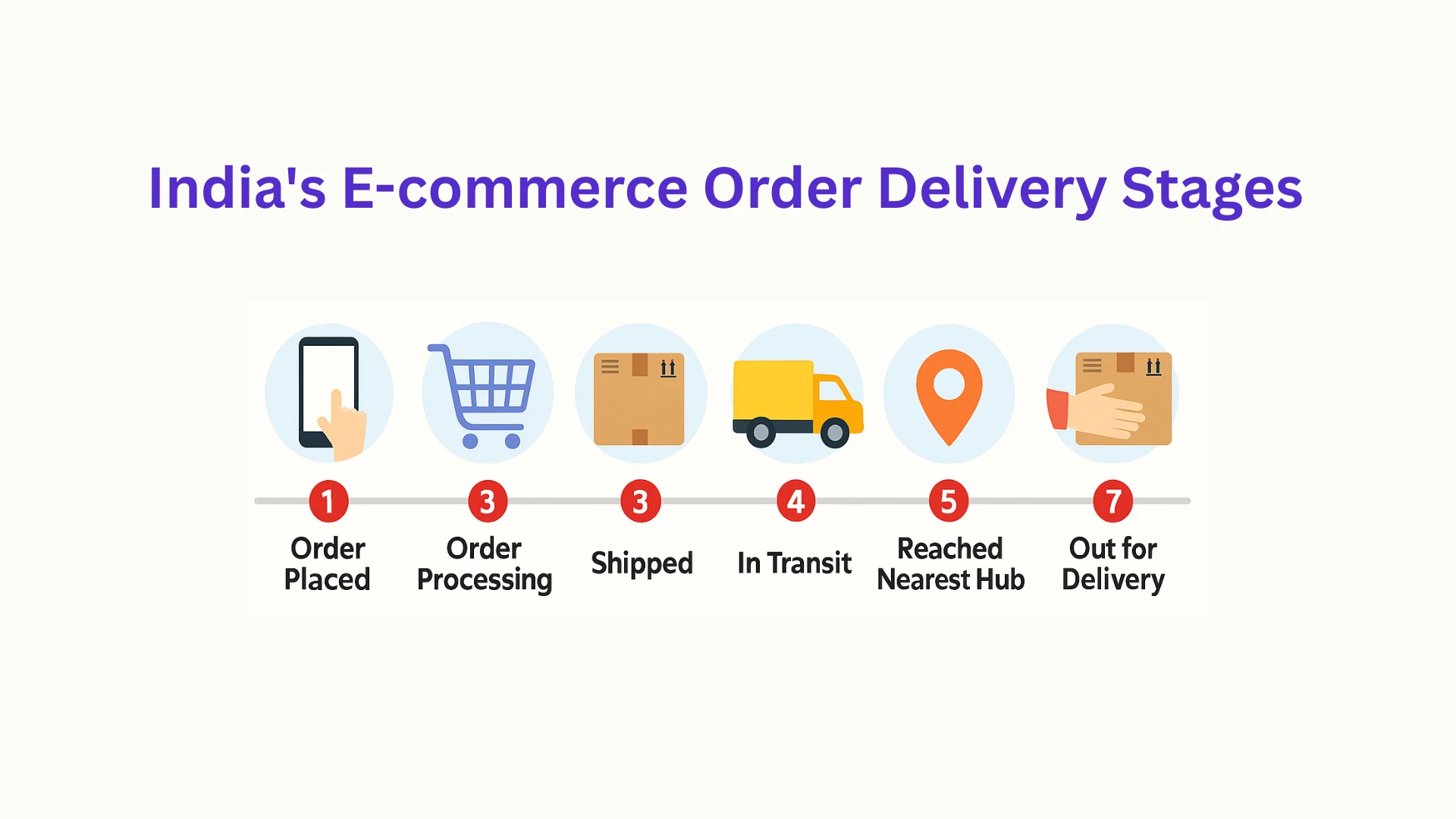
Don’t keep customers guessing. Show what’s in stock in real time. After they order, give them a way to track it easily.
It builds trust and cuts down on support emails.
Nobody likes surprises when it comes to orders. Clear inventory status and delivery updates keep expectations realistic and customers happy.
8. Green Info That Actually Matters
More shoppers want to know if what they’re buying is eco-friendly. Be upfront about how your packaging, materials, or processes support sustainability.
Don’t overdo it. Just keep it honest and visible.
For example, let users filter by eco-friendly products, or show a badge for items with recycled materials. It’s simple but effective for the growing group of conscious consumers.
9. Trustworthy Security Features
People worry about scams and stolen information. Make sure your site feels safe.
Use HTTPS, display trust badges, and have solid payment protection. Show them their data is secure.
Security isn't just about protection-it's about perception. A secure-looking site reassures customers and encourages them to complete their purchase.
10. Support That Feels Human
When someone has a problem, they want help-fast. Live chat, clear contact info, and helpful FAQs make a big difference.
Chatbots are fine for quick answers, but always give users the option to talk to a real person.
Also, consider offering support through channels your customers already use-like WhatsApp or Facebook Messenger. It’s all about making help easy to access.
Bonus Tip: Get Help from Pros
Getting all this right isn’t simple. If you’re feeling stuck, check out eCommerce and retail web development services. They can help you build or upgrade your store without the headaches.
Whether it’s mobile speed, payment systems, or modern features, it’s worth having experts on your side. They’ll also ensure your site stays updated with new trends, tech, and customer expectations.
Wrapping It Up
Your eCommerce website should feel like it was made for 2025. That means fast, simple, secure, and personalized. These features aren’t just trends-they’re what customers expect. If you’ve already got some of them, great. If not, this is your sign to get moving. The future of online shopping is already here. Make sure your store is ready for it.



























Sign in to leave a comment.