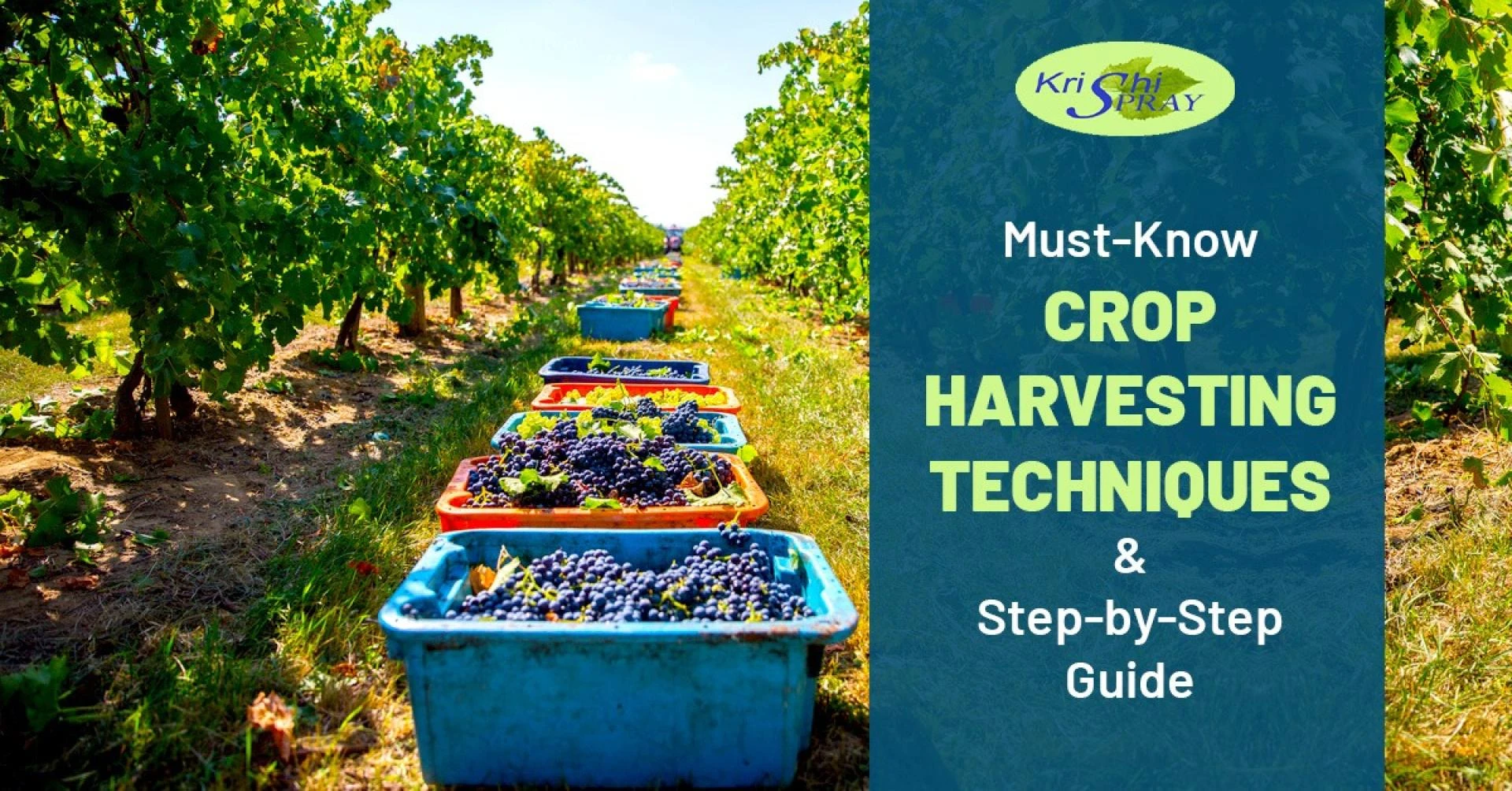

There is more to harvesting than the act itself; it is actually the climax that defines the results of your farming year. As a small-scale gardener or as a farmer, it is crucial to know which harvest methods make all the difference.
If you are in need of the best sprayers, then do not settle for less; look for the best agricultural sprayer manufacturer and source your strong spraying equipment from them.
Why Harvesting Matters More Than You Think?
Harvesting is far more than simply picking crops. It's a sophisticated process that directly impacts:
- Crop quality
- Nutritional value
- Market potential
- Long-term storage
- Overall agricultural productivity
Understanding the Fundamentals of Crop Harvesting
Harvesting is seen as the payoff for a long process of labouring as well as thoughtful growth. It's a deliberate process that allows agricultural producers to:
- Recirculate valuable products in the food chain
- Maximize crop yield
- Ensure optimal produce quality
- Prepare for storage and distribution
Key Factors Influencing Harvest Success
#1: Crop Maturity Indicators
Different crops signal their readiness through unique markers:
- Colour changes
- Texture transformations
- Seed development
- Size and firmness
Recommended Read - Top Watermelon Cultivation Tips | Plant, Grow, and Harvest Easily
#2: Weather Considerations
Optimal harvesting conditions include:
- Dry weather
- Moderate temperatures
- Minimal humidity
- Clear skies
#3: Timing is Everything
The perfect harvest window depends on the following:
- Specific crop characteristics
- Environmental conditions
- Market demand
- Moisture levels
Key Agricultural Harvesting Methods
Manual Harvesting Techniques
Manual harvesting involves the use of tools like sickle, knife and machete in that they take direct action and remove the crops.
This method enables picking to be done only on the selected fruits, reduces damage to the crops, and ensures good quality produce and crops that require very careful handling, such as small horticultural plants, regions with steep slopes or mechanization restrictions, among others.
Pros of Manual Harvesting
- Precise crop selection
- Minimal damage
- High-quality control
- Ideal for delicate crops
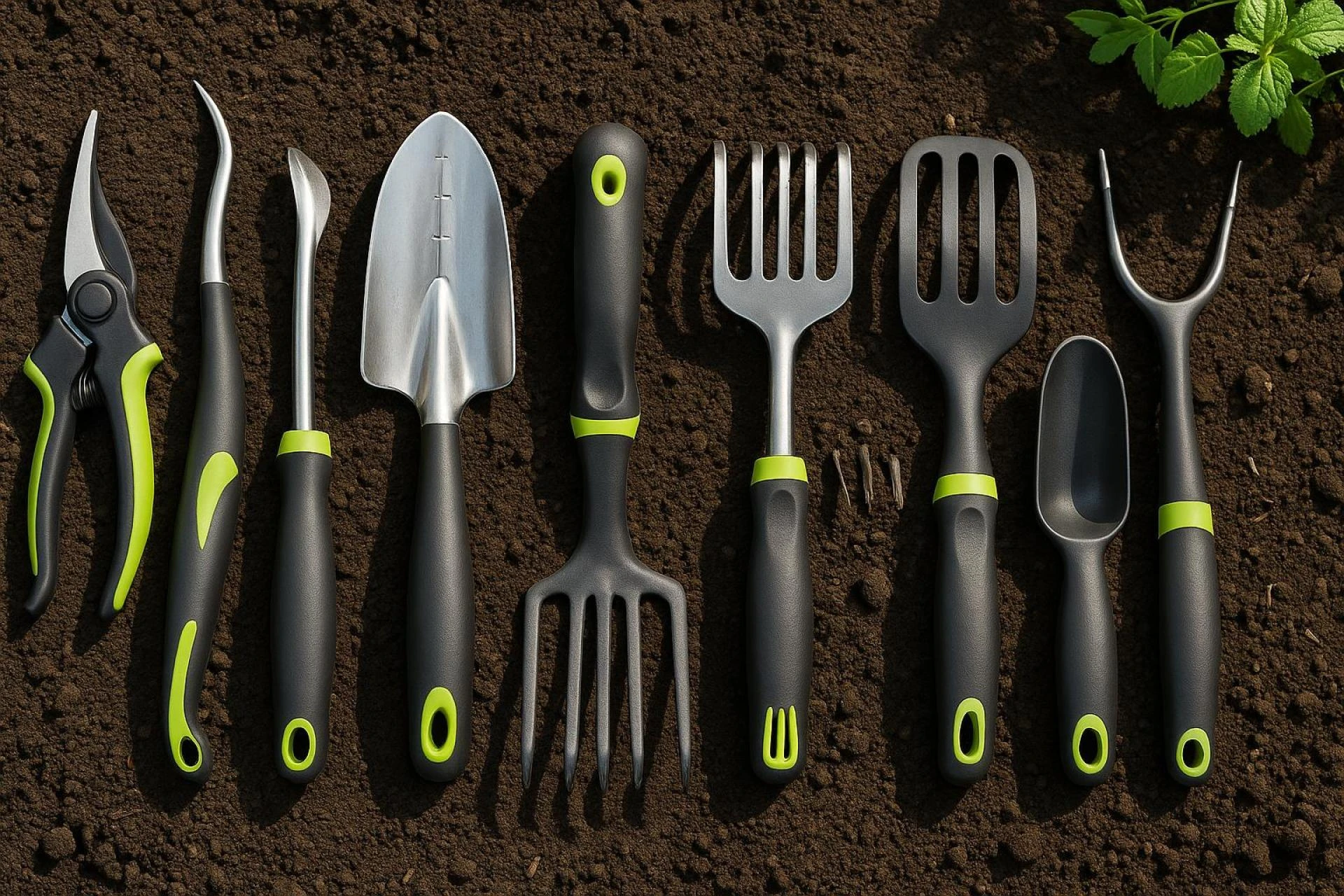
Essential Tools
- Sharp pruning shears
- Picking baskets
- Protective gloves
- Specialized cutting implements
Mechanical Harvesting Techniques
Mechanized production involves the use of mechanized machines like combine harvesters, picker machines and possibly several other agricultural machinery in the process of Berry picking.
These machines are capable of cutting, collecting, and processing commodities such as wheat, corn, and soybeans efficiently, cutting down on employee expenses while scaling up massive farming companies.
This is best suited for
- Large-scale farming
- Grain crops
- Root vegetables
- Consistent crop varieties
Advanced Equipment
- Combine harvesters
- Specialized crop machines
- Tractor-mounted attachments
Step-by-Step Crop Harvesting Process
Step 1: Pre-Harvest Preparation
Crop Readiness Assessment
- Check maturity indicators
- Inspect overall crop health
- Prepare necessary equipment
Weather Monitoring
- Check extended forecast
- Plan harvesting during optimal conditions
- Prepare contingency plans
Step 2: Harvesting Execution
Choose Optimal Timing
- Early morning or late evening
- Avoid peak heat hours
- Ensure crops are dry
Implement Appropriate Technique
- Use crop-specific methods
- Handle produce gently
- Minimize potential damage
Immediate Sorting
- Separate by quality
- Remove damaged produce
- Prepare for cleaning
Post-Harvest Handling Techniques
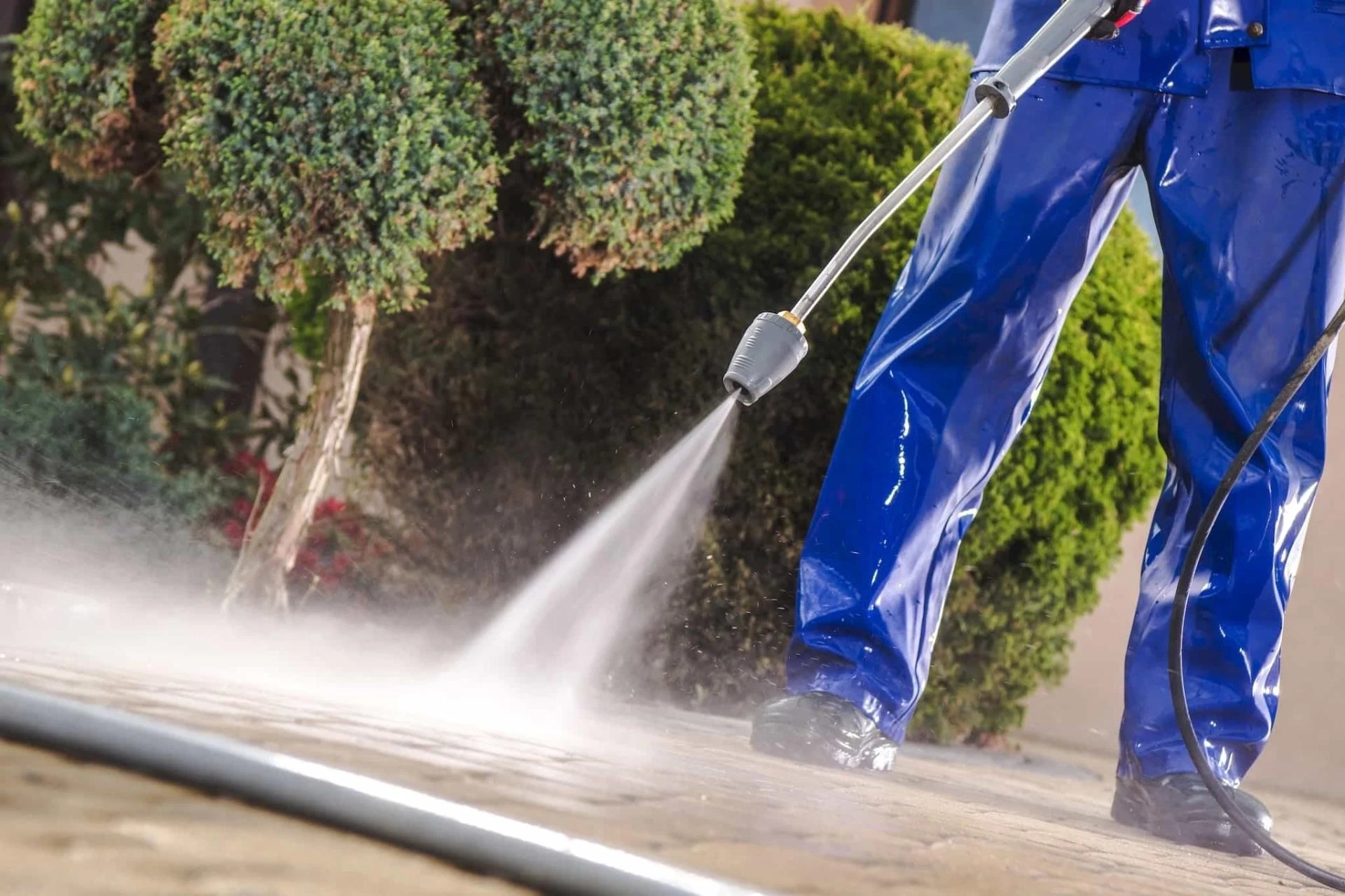
Cleaning and Processing
Critical steps to maintain crop quality:
- Gentle washing
- Debris removal
- Temperature-controlled cleaning
- Minimal water usage
Storage Strategies
Key considerations:
- Appropriate container selection
- Temperature and humidity control
- Proper ventilation
- Regular spoilage monitoring
Safety and Efficiency Considerations
Harvesting Safety Tips
- Wear protective gear
- Stay hydrated
- Use ergonomic techniques
- Take regular breaks
- Implement proper lifting methods
Technology Integration
Emerging technologies to enhance harvesting:
- Precision moisture meters
- Harvest tracking applications
- GPS-enabled equipment
- Drone crop monitoring
Sustainable Harvesting Practices
Environmental Considerations
Sustainable harvesting focuses on:
- Minimizing crop waste
- Preserving soil health
- Reducing environmental impact
- Implementing crop rotation
Common Harvesting Mistakes to Avoid
Premature or Delayed Harvesting
Delayed harvesting reduces crop quality and yield and deprives produce of their market value, while early harvesting storms reduce crop yield. Stakeholders must also harmonise timing so as to achieve the best nutritional value, taste, and quality of the produce so as to benefit both the economy and agriculture.
Recommended Read - Complete Information About Crop Harvesting | Techniques & More
Improper Storage Techniques
Unsuitable temperature, humidity, or ventilation exposes the crops to rapid deterioration, increased moisture and mould formation, and accelerated spoilage, costing the farmers and agricultural producers high amounts of money.
Rough Crop Handling
Carelessness during harvesting and transportation could lead to mechanical injury, skin damage/skin stress and crop tissue disruption. Indirectly, gentle handling also avoids bruising, damage, and spoiling and, therefore, retains crop quality conforming to market standards.
Inadequate Cleaning Processes
Agricultural products require cleaning, particularly to meet the required standards, health-wise, and to achieve marketability.
Ignoring Crop-Specific Requirements
Each crop has unique harvesting needs based on its variety, maturity indicators, and physiological characteristics. Overlooking these specific requirements can lead to reduced quality, lower yields, and compromised overall crop performance.
Advanced Tips for Optimal Harvesting
- Use technology for precise timing
- Invest in specialized equipment
- Continuously educate yourself
- Stay updated on agricultural innovations
- Network with experienced farmers
Master Crop Harvesting Technique with Best Boom Sprayers
If you want to maximize your yields and ensure your crops are healthy, then you must know the perfect harvesting techniques with a boom sprayer. By implementing the step-by-step strategies outlined in this guide, you can elevate your harvesting skills and achieve a bountiful crop every season.
Remember, the right approach to harvesting not only enhances the quality of your produce but also contributes to sustainable farming practices.








Sign in to leave a comment.