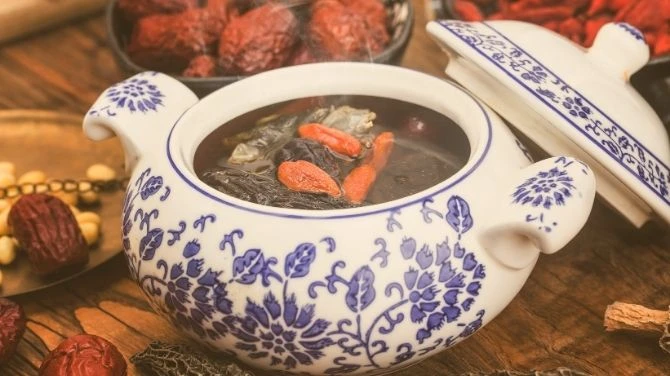

Singapore, a melting pot of culinary traditions, might surprise you with one of its most iconic delicacies: turtle soup. Once a rarity, it has found a place in the city’s vibrant food culture, standing alongside other favourites like black chicken soup. The tender turtle meat, simmered in a robust, herb-infused broth, offers a dining experience unlike any other, rich, complex, and steeped in history.
Where to Try Turtle Soup in Singapore
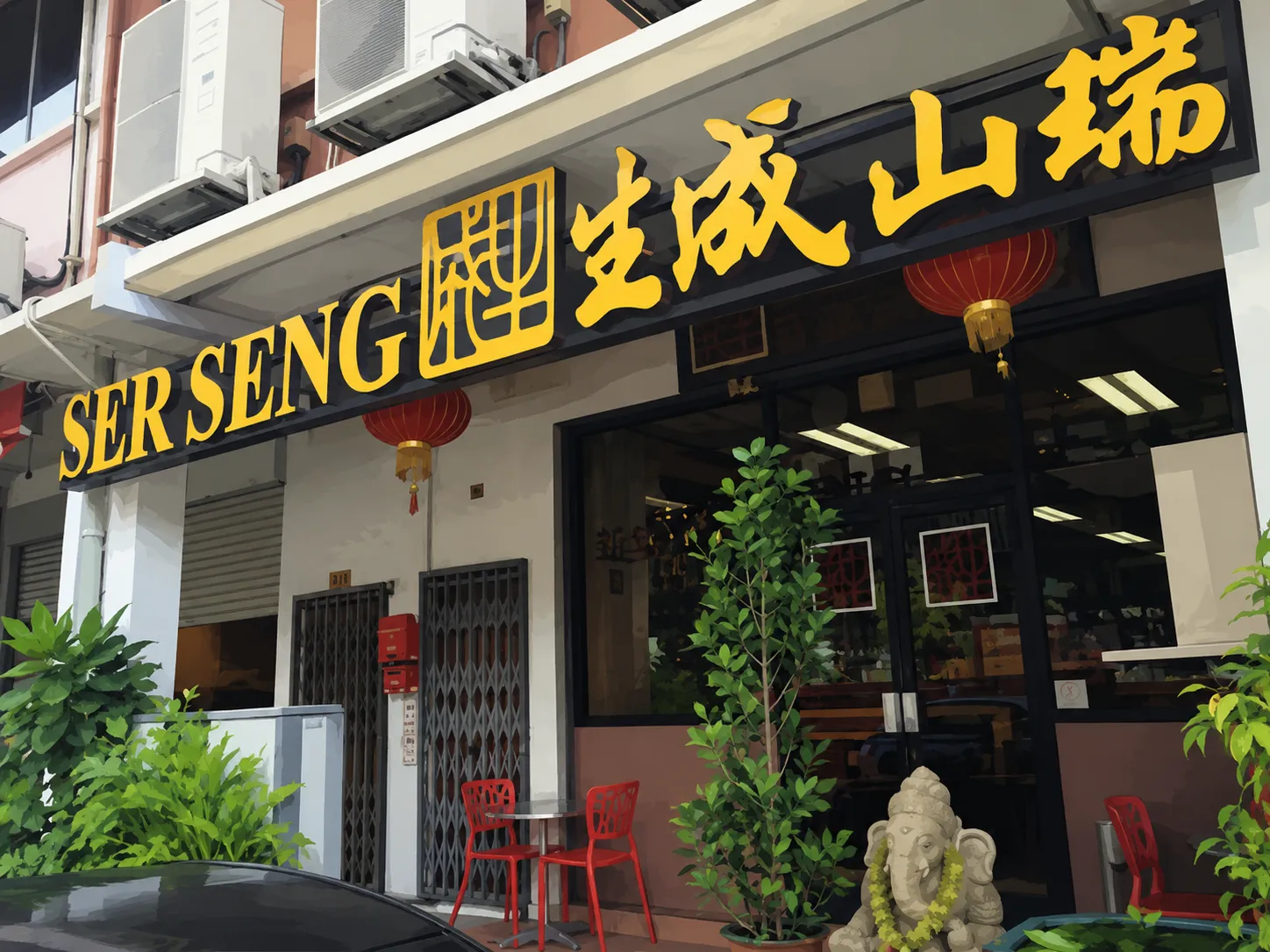
For first-timers, one of the most renowned places is Ser Seng Herbs Turtle Restaurant on Tai Thong Crescent. Here, the chefs blend turtle meat with Chinese herbs, steaming and simmering them into a broth that balances depth with subtle herbal notes. Many diners find it not only on par with black chicken soup but even more memorable.
You’ll also find turtle soup at hawker centres such as Berseh Food Centre, where stall owners have kept the tradition alive for decades. Today, several restaurants and hawker stalls even offer delivery, making this delicacy accessible with just a few clicks.
What Is Traditional Turtle Soup?
Traditional herbal turtle soup is typically cooked in claypots with ginseng, wolfberries, angelica root, and other Chinese herbs. This creates a clear yet flavourful broth, lighter than Western-style turtle stews but no less satisfying. Served with steamed rice or taro on the side, the dish has long been valued for both its taste and its restorative properties.
The texture of turtle meat itself is unique, tender yet slightly gelatinous, which, when paired with fragrant herbs, results in a deeply comforting dish that has warmed countless families across generations.
Health Benefits and Cultural Significance
In Singapore, turtle soup isn’t just a meal; it’s often seen as a wellness dish. Traditional Chinese Medicine attributes benefits such as improved vitality, stronger bones, and healthier skin to the collagen- and protein-rich turtle meat. The herbs add further restorative qualities, making each bowl feel like both nourishment and remedy.
Beyond its health benefits, turtle soup represents a culinary bridge between food and heritage. Families have long gathered around steaming bowls of the soup, sharing not only the dish but the cultural traditions it embodies.
Conclusion
Turtle soup in Singapore is more than just a delicacy; it’s a cultural experience that blends flavour, tradition, and wellness. Whether enjoyed at an elegant restaurant, a humble hawker stall, or delivered to your home, it showcases the artistry of Singaporean cuisine.
The next time you’re exploring Singapore’s diverse food scene, ask yourself: Would you try Singapore's turtle soup, a dish that embodies both the country’s culinary creativity and its cultural roots?


























Sign in to leave a comment.