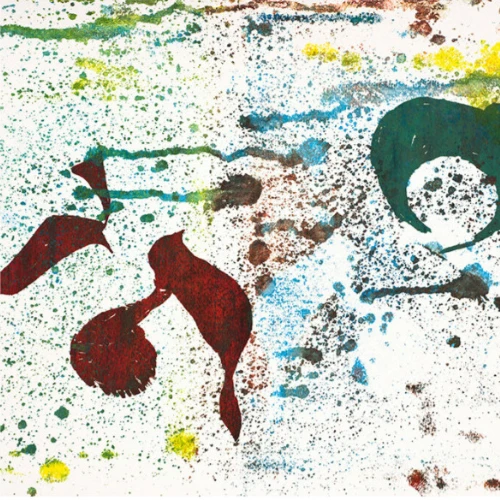

Nabil Mousa stands as a profoundly impactful Arab American Abstract artist, whose work intricately weaves personal narrative, cultural heritage, and pressing social commentary into a vibrant tapestry of color and form. Born in Syria and nurtured through his formative years in the United States, Mousa embodies the complex, often nuanced, experience of the Arab American diaspora. His canvases are not merely visual creations; they are potent dialogues, challenging perceptions and fostering understanding across the intricate divides of culture, religion, and identity.
Mousa’s artistic journey is deeply rooted in his bicultural background. He transcends literal representation, using abstraction as a powerful vehicle to distill his lived experiences. As an Arab American Abstract artist, he navigates the dualities of his Syrian roots and American upbringing, expressing the push and pull between tradition and modernity, personal freedom and societal expectations. His abstract vocabulary, characterized by bold gestures, rich textures, and a masterful command of color, subtly carries echoes of Arab visual traditions – perhaps the rhythmic flow of calligraphy or the intricate geometries found in Islamic art – without ever being overtly derivative. This unique fusion allows his work to resonate universally while remaining authentically connected to his heritage.
A core tenet of Nabil Mousa's practice is his role as an activist. He courageously uses his art to confront sensitive socio-political issues, making a powerful stand for marginalized voices. His seminal "American Landscape" series, for instance, serves as a poignant commentary on national identity. In these works, Mousa provocatively integrates fragmented elements of the U.S. flag with abstract forms and subtle figurative representations of same-sex couples, particularly drawing attention to the experiences of LGBTQ+ individuals within the Arab diaspora and beyond. This fearless engagement positions him as a crucial Arab American Abstract artist in contemporary discourse.
Furthermore, Mousa expands his exploration of identity and conflict through the symbolic inclusion of sacred texts. His use of pages from the Bible, Quran, and Torah within his mixed-media compositions transforms his art into a profound commentary on shared spiritual heritage and the historical tensions between faiths. This bold approach fosters a dialogue about unity and understanding, advocating for peace and tolerance in a world often marked by division. The layers and textures in his work often reflect this complex layering of history, belief, and personal struggle.
Nabil Mousa’s significant contribution as an Arab American Abstract artist lies not only in his exceptional artistic skill but also in his unwavering commitment to social justice. His abstract language allows his potent messages to transcend specific cultural contexts, resonating with a global audience. He provides a vital platform for voices often unheard, actively challenging stereotypes and fostering empathy. Receiving positive feedback from the Arab community abroad highlights the profound connection his work forges across geographies and cultural boundaries. Through his compelling vision, Nabil Mousa continues to redefine the role of the Arab American Abstract artist, proving that abstract art can be a powerful force for social change, personal liberation, and cross-cultural understanding.





















Sign in to leave a comment.