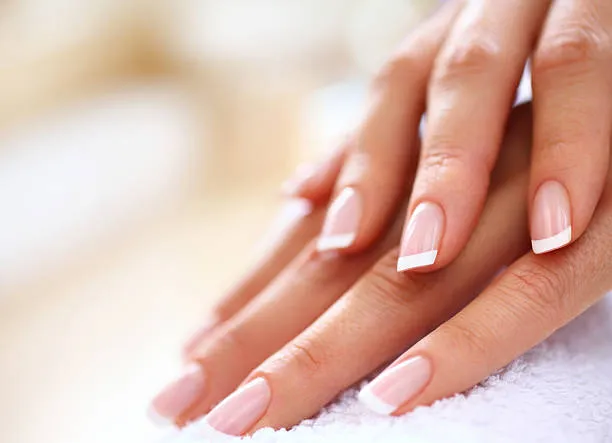

It is a common and thoroughly frustrating scenario for anyone who appreciates detailed nail aesthetics: investing significant time, patience, and money into a beautiful set of intricate nails, only to have a gemstone snag on a sweater or a delicate painted design chip away within mere days. Historically, traditional nail services were designed for short-term wear—perhaps a weekend event or a brief vacation. They have long struggled to support the weight, rigidity, and complexity of modern embellishments, ultimately forcing clients into a cycle of frequent, high-maintenance salon visits.
Nonetheless, the way the beauty industry approaches nail care has undergone a discernible, long-lasting change. The expectations for cosmetics have changed as modern lifestyles grow more demanding. Customers are no longer willing to sacrifice durability for style, which has led to an increase in demand for high-wear nail designs. They anticipate that their nail additions will maintain their original flawless beauty even after typing, working out, and other tactile duties.
The thesis behind achieving a truly chip-resistant manicure lies in correcting a fundamental public misunderstanding of how nail art actually works. The secret to longevity is almost never found in a magical, heavy-duty top coat, a stronger glue, or a thicker layer of polish. Instead, true durability is entirely dependent on the underlying structural engineering and the meticulous preparation of the natural nail itself. By treating the nail as an architectural foundation rather than just a flat surface to be painted, advanced application techniques have completely revolutionized how long complex embellishments can last.
The Anatomy of a Bulletproof Manicure
To understand why nail art fails, one must first understand the physics and biomechanics of the natural nail plate. Natural nails are composed of layers of keratin that are inherently flexible. They bend under pressure and constantly absorb and release moisture from their environment. Traditional nail polish and basic soft gels share this flexibility to some degree, but rigid 3D art, crystals, and metallic components do not. When the natural nail bends—such as when opening a package, gripping a handle, or tapping heavily on a keyboard—the rigid embellishment attached to the surface is forced to lift. The tension causes the adhesive bond to break, and the art inevitably pops off. Traditional polish fails 3D art simply because of a mechanical incompatibility between a flexible surface and a rigid object.
The solution to this mechanical failure is the application of a structured gel overlay. This is a specialized technical process that fundamentally alters the way the nail handles physical stress and impact. Highly skilled professionals use complex nail architecture to create a personalized, protective shield instead of applying flat, even layers of product over the nail. The idea of an apex building is fundamental to this architecture. The nail enhancement's thickest and tallest point, known as the apex, is positioned to disperse, absorb, and diffuse mechanical shock. The technician deflects the physical shock from the delicate cuticle area and the fragile free edge (the tip) by constructing this strengthened arch.
This precise stress point reinforcement is what transforms a standard cosmetic treatment into a truly bulletproof manicure. Each person's natural nail has a distinct stress point, which is the particular biomechanical area where pressure is most likely to cause the nail to break or bend. The foundation is made completely solid by locating and geometrically reinforcing this precise region with a long-lasting, cross-linked polymer product. The nail is no longer able to flex in a way that would cause elaborate artwork to come loose. The ideal, unwavering surface required to keep intricate drawings securely in place for weeks on end is provided by this stiff, mathematically balanced canvas.
Precision Preparation: Setting the Stage for High Art
If the product cannot sufficiently adhere to the natural nail, even the best-engineered apex will fail right away. At this point, the preparatory stage becomes the most important—yet frequently disregarded—part of the whole service. In the past, soaking the hands in a bowl of warm water was the first step in manicures. Although this wet method is calming, long-term product adherence is negatively impacted chemically. Like a sponge, the nail plate absorbs water and grows up to a quarter of its original size. Over the course of the next 24 hours, the gel will unavoidably separate from an enlarged, wet nail as the natural nail dries, shrinks, and regains its natural curvature.
The modern, scientific approach relies entirely on dry e-file preparation. Using a specialized electric file with perfectly calibrated, diamond-coated bits, experts may safely and successfully exfoliate dead tissue without the use of water, oils, or chemical cuticle softeners. This dry process leaves the nail plate entirely porous, giving it a clean, textured surface. When the base layers are applied to this dried, prepared surface, the tiny molecules of the gel penetrate the micro-texture of the keratin, creating a mechanical interlocking bond that is times stronger than traditional surface-level adhesion.
Furthermore, this clinical exactness is the primary mechanism for preventing premature lifting at the source. Lifting almost always originates at the proximal nail fold (the cuticle area) or the lateral folds (the sidewalls of the nail). If even a microscopic piece of the true cuticle—the dead, translucent tissue that adheres to the nail plate—is left behind, the gel will bond to the skin rather than the nail. As that dead skin naturally sheds from the body, it pulls the gel with it, creating a microscopic pocket for moisture, bacteria, and oils to enter. By meticulously clearing this area with an e-file, the hard gel foundation seals seamlessly and directly to the nail plate.
For clients who prioritize this level of clinical exactness, booking a Russian Manicure Flatiron District NYC or seeking out similarly specialized services in major metropolitan hubs ensures the strict technical execution required is met. The dry e-file technique is the non-negotiable prerequisite; without it, long-lasting high-end art is impossible.
Mastering Complex Aesthetics
Once the structural architecture and pristine dry preparation are complete, the nail is finally ready for the application of art. There is a noticeable difference between the performance of art on a conventional, flat base and a structured, well-prepared base. Think about how to execute genuine gemstone embedding and anchor 3D nail elements. These items are naturally very rough, top-heavy, and prone to snagging on clothing or hair fibers. In a typical flexible manicure in NYC, the nail's many micromovements gradually erode the glue over a few days until the piece comes off.
However, because the structured hard gel base remains completely rigid, the embedded elements remain locked into a static environment. Furthermore, advanced technicians use specialized, high-viscosity builder gels to seamlessly encapsulate the edges of rhinestones or heavy metal charms. By building a microscopic wall of gel around the base of the crystal—without painting over the top, which would ruin the light-reflecting facets of the stone—they cement the embellishment into the architectural structure of the nail itself, rather than merely resting it on the surface.
This level of foundational perfection is equally vital for delicate, flat aesthetic finishes. Protecting chrome powder finishes and executing flawless encapsulated nail art requires an absolutely smooth, perfectly leveled canvas. Chrome powders are notorious for highlighting every single microscopic imperfection, bump, or ridge on the nail plate. If the base structure is uneven, the metallic finish will look warped, dull, and messy rather than producing a high-end, mirror-like reflection. Additionally, because chrome involves burnishing a micro-fine pigment onto the surface, it is highly susceptible to microscopic hairline fractures at the free edge if the nail beneath it bends. The rigidity of the hard gel prevents this flexing entirely, ensuring the fragile metallic layer remains completely intact.
Similarly, encapsulated art—a technique where elements like dried botanicals, gold leaf, crushed shells, or intricate hand-painting are sandwiched between thick layers of clear building gel—relies heavily on the structural integrity of the overall nail. If the structure flexes, the clear top layers can crack, ruining the optical clarity and 3D depth of the design. A solid, expertly built foundation ensures these encapsulated elements remain hermetically sealed and visually stunning until the client is ready for their next appointment.
Conclusion
Achieving true 4-week nail retention without sacrificing the beauty of complex aesthetics is not a matter of luck, genetics, or simply finding a more expensive brand of top coat. It is a highly specific, meticulous science that perfectly marries structural integrity with artistic creativity. From the careful dry exfoliation of the cuticle to the precise physical engineering of the apex, every single step in the modern manicure in NYC process is calculated to prevent flexing, lifting, and chipping.
The emphasis must move from the artwork itself to the foundation behind it for people who want to wear elaborate hand-painted motifs, thick 3D rhinestones, or immaculate metallic finishes without constantly worrying about wear and tear. The only way to guarantee that high-art manicures continue to be an investment in long-lasting, effortless beauty rather than a transient and delicate luxury is to give priority to technicians who have a thorough understanding of advanced nail architecture, biomechanics, and dry preparation techniques.

















Sign in to leave a comment.