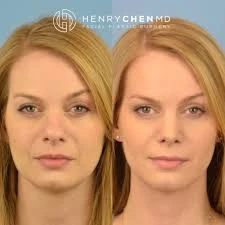

Nasal breathing plays a vital role in overall health, comfort, and quality of life. When the nasal valve — the narrowest part of the nasal airway — becomes weakened or collapses, airflow is restricted, leading to symptoms such as chronic nasal congestion, difficulty breathing, and a persistent feeling of blockage. This condition is known as nasal valve collapse, and in many cases, the most effective solution involves surgical intervention, including rhinoplasty in Beverly Hills performed by skilled facial plastic surgeons.
Understanding Nasal Valve Collapse
The nasal valve area is located in the middle third of the nose, just behind the nostrils. It is supported by cartilage, soft tissue, and the sidewall of the nose. When the structure is weakened — due to trauma, previous surgery, or aging — the valve can collapse inward during inhalation.
Common causes include:
- Trauma or injury to the nose
- Over-resection of cartilage during prior rhinoplasty
- Aging, which can weaken nasal support structures
- Congenital conditions (structural weakness present at birth)
Symptoms to watch for:
- Chronic nasal obstruction
- Difficulty breathing through the nose, especially during exercise
- Increased nasal congestion at night
- Feeling like one side of the nose is always blocked
If these symptoms persist, it’s important to seek professional evaluation from an experienced facial plastic surgeon.
Treatment Options for Nasal Valve Collapse
Treatment depends on the severity of the collapse and the underlying cause. While mild cases can sometimes be managed with non-surgical approaches, severe nasal valve collapse often requires surgical repair.
1. Non-Surgical Management
In some mild cases, your surgeon may recommend:
- Nasal dilator strips to physically widen the nasal opening
- Special nasal cones for nighttime use
- Steroid sprays to reduce inflammation (though these won’t fix structural problems)
These solutions offer temporary relief but do not address the root cause.
2. Surgical Treatments
Surgery is the gold standard for long-term correction of nasal valve collapse. The most common surgical solutions include:
a) Functional Rhinoplasty
This procedure focuses on improving nasal function while maintaining or enhancing the nose’s appearance. In Beverly Hills, functional rhinoplasty is often performed by highly trained surgeons who combine medical expertise with aesthetic precision.
b) Cartilage Grafts
Surgeons often use cartilage from the septum, ear, or rib to strengthen the nasal valve area. Common graft types include:
- Spreader grafts – placed between the septum and upper lateral cartilage to widen the valve
- Alar batten grafts – placed along the nasal sidewall to prevent collapse during inhalation
c) Revision Rhinoplasty
If nasal valve collapse is the result of a previous rhinoplasty, a revision procedure may be necessary. Beverly Hills surgeons are known for their skill in complex revision cases, restoring both breathing and cosmetic balance.
Rhinoplasty in Beverly Hills for Nasal Valve Collapse
Beverly Hills has long been recognized as a global hub for advanced facial plastic surgery. Choosing to undergo rhinoplasty in Beverly Hills for nasal valve collapse offers several advantages:
- Specialized Expertise – Many surgeons here have years of experience treating functional and cosmetic nasal issues.
- Customized Approach – Surgeons create individualized surgical plans to address both airflow and appearance.
- Cutting-Edge Techniques – Use of minimally invasive approaches, advanced grafting, and precise cartilage reshaping.
- Aesthetic Excellence – Beverly Hills surgeons often blend functional repair with subtle cosmetic enhancements for natural-looking results.
Recovery and Results
Recovery after nasal valve collapse surgery varies depending on the complexity of the procedure. Most patients can expect:
- Initial swelling and bruising for 1–2 weeks
- Breathing improvement noticeable within days, though full healing may take months
- Return to normal activities within 1–2 weeks for most cases
- Long-lasting results with improved airflow and a balanced nasal appearance
Choosing the Right Surgeon
Because nasal valve collapse treatment often involves both functional and cosmetic components, it is essential to choose a board-certified facial plastic surgeon with expertise in both areas. When selecting a surgeon in Beverly Hills:
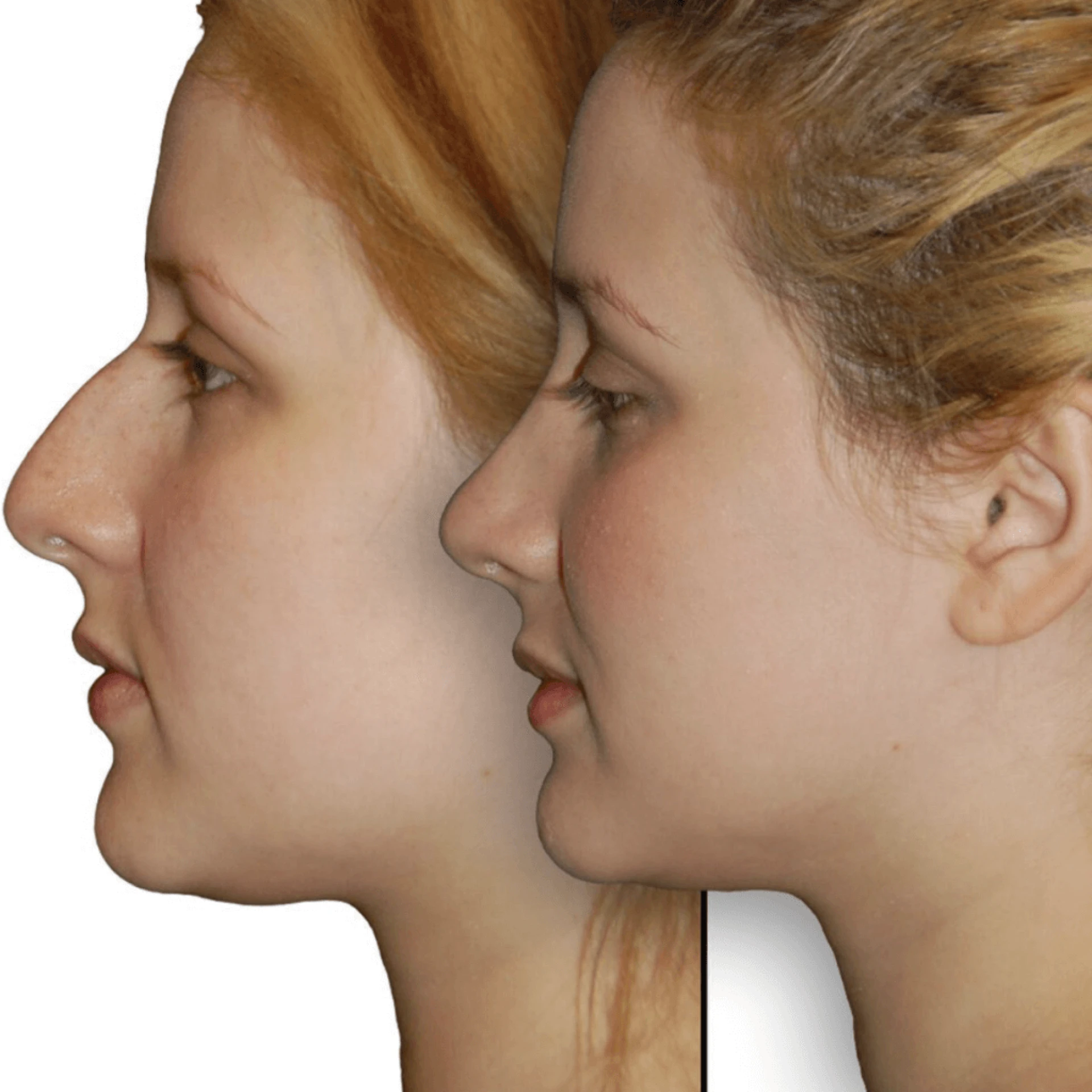
- Review before-and-after photos of similar cases
- Ask about their experience in functional rhinoplasty
- Ensure they use modern, proven grafting techniques
- Seek a surgeon who listens to your concerns and goals
Final Thoughts
Nasal valve collapse is more than just a cosmetic issue — it directly impacts your ability to breathe and your overall quality of life. While temporary relief can be achieved with non-surgical methods, surgical correction through rhinoplasty in Beverly Hills offers the most reliable, long-term solution. With the right surgeon, you can achieve not only restored nasal function but also a natural, harmonious appearance.
If you’re struggling with chronic nasal obstruction and suspect nasal valve collapse, schedule a consultation with a qualified Beverly Hills rhinoplasty specialist to explore your options. Breathing better may also mean looking better — and feeling your best every day.

























Sign in to leave a comment.