

Nasal surgery has become one of the most commonly discussed procedures in both medical and cosmetic fields. While some people seek it for visual refinement, others turn to it to address breathing issues or structural concerns. Functional nasal surgery plays a crucial role in improving quality of life for individuals who struggle with chronic nasal obstruction, sleep disturbances, or recurring sinus problems. Understanding why people opt for this procedure requires looking at both the medical and aesthetic motivations behind it.
Understanding Nasal Surgery
Nasal surgery, often referred to as rhinoplasty, is a procedure designed to reshape or reconstruct the nose. It can be performed for functional reasons, cosmetic improvements, or a combination of both. The nose is a central facial feature, and even small changes can significantly affect both appearance and breathing.
From a medical perspective, nasal surgery may correct internal issues such as a deviated septum or damaged nasal passages. On the cosmetic side, it can refine the size, shape, or symmetry of the nose to better align with the rest of the face.
Medical Reasons for Choosing Nasal Surgery
Breathing Difficulties and Nasal Obstruction
One of the most common reasons individuals consider nasal surgery is difficulty breathing. Structural abnormalities inside the nose can restrict airflow, making it hard to breathe comfortably through the nostrils. Conditions like a deviated septum or enlarged turbinates can contribute to this problem.
Surgery can help open up nasal passages, allowing for smoother airflow and improved oxygen intake. Many patients report better sleep and increased energy levels after addressing these issues.
Chronic Sinus Problems
Frequent sinus infections or long-term sinus pressure can significantly affect daily life. When medication and non-invasive treatments fail, surgical intervention may be recommended. Nasal surgery can improve drainage pathways and reduce the likelihood of recurring infections.
Injury or Trauma
Accidents, sports injuries, or other forms of trauma can alter the structure of the nose. In some cases, this leads to both visible deformities and functional issues. Reconstructive nasal surgery can restore both appearance and function, helping individuals regain confidence and comfort.
Congenital Conditions
Some people are born with structural irregularities that affect breathing or nasal shape. These conditions can become more noticeable or problematic over time. Surgical correction offers a long-term solution, especially when the issue interferes with normal respiratory function.
Aesthetic Motivations Behind Nasal Surgery
Desire for Facial Balance
The nose plays a central role in facial harmony. Even minor changes can enhance overall balance and proportion. Individuals who feel their nose is too large, too small, or asymmetrical often explore nasal surgery as a way to achieve a more cohesive look.
Addressing Self-Confidence Concerns
Appearance can have a strong influence on self-perception. Some individuals feel self-conscious about specific features of their nose, such as a prominent hump, wide nostrils, or a drooping tip. Adjusting these features can lead to improved self-esteem and comfort in social situations.
Cultural and Personal Preferences
Beauty standards vary across cultures and personal preferences. What one person considers an ideal nose shape may differ significantly from another’s vision. Nasal surgery allows individuals to align their appearance with their own expectations rather than external pressures.
Combining Medical and Cosmetic Goals
Many patients seek nasal surgery for both functional and aesthetic reasons. For example, someone with a deviated septum may also wish to refine the shape of their nose. Combining these objectives into a single procedure can be both efficient and beneficial.
This approach requires careful planning. Surgeons must ensure that aesthetic changes do not compromise nasal function. When done correctly, the result is a nose that looks natural and works effectively.
The Importance of Realistic Expectations
Choosing nasal surgery is a personal decision that should be approached with clarity and realistic expectations. While the procedure can bring noticeable improvements, it is not about achieving perfection. Each face is unique, and results should complement individual features rather than conform to a single standard.
Patients are encouraged to have open discussions with their surgeon about their goals. Reviewing potential outcomes and understanding limitations helps create a more satisfying experience.
The Procedure and Recovery Process
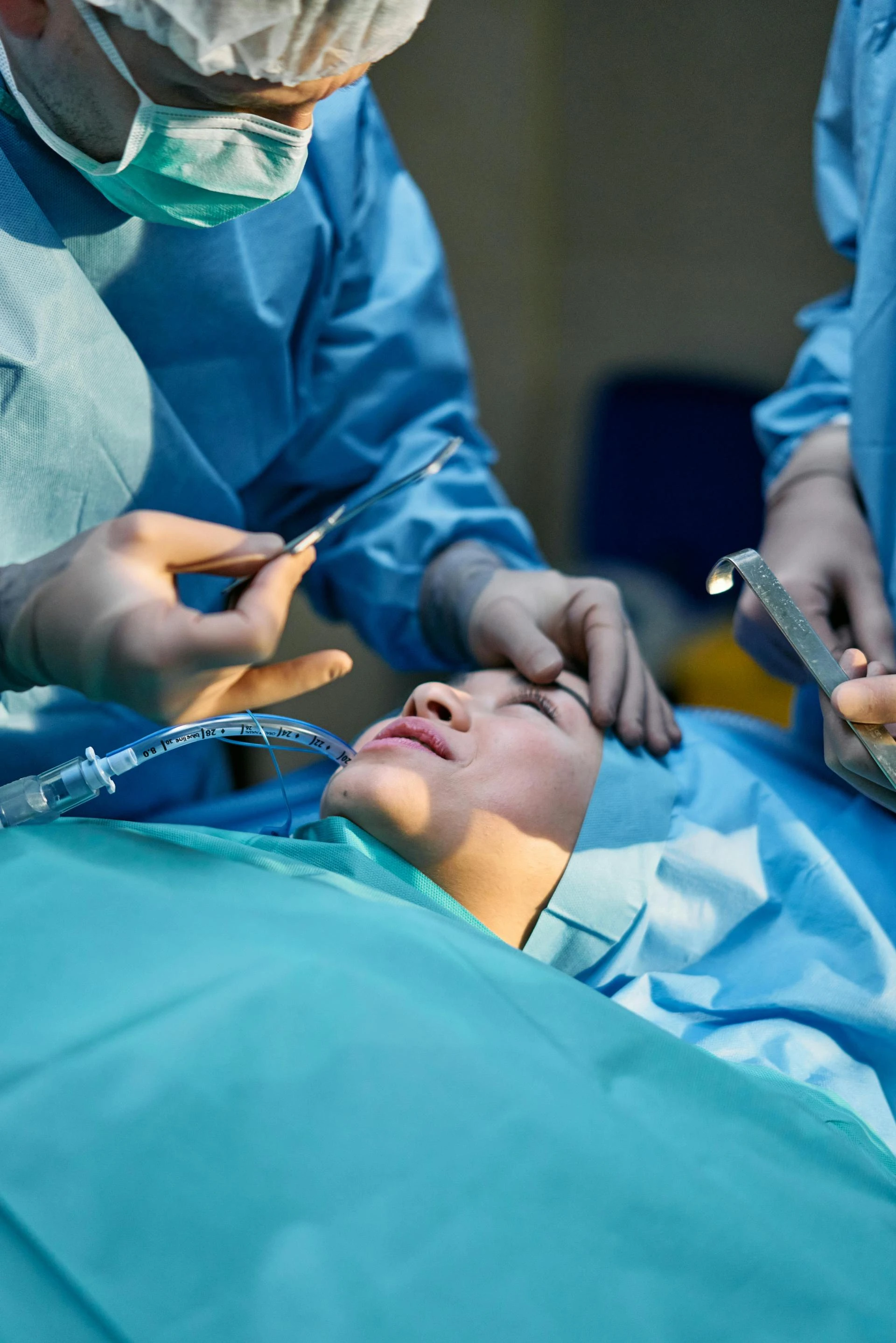
Nasal surgery is typically performed under anesthesia and can take a few hours, depending on the complexity. Surgeons may use either an open or closed technique, depending on the adjustments required.
Recovery involves a period of swelling and mild discomfort, especially during the first week. Most individuals can return to daily activities within a couple of weeks, although complete healing may take several months. During this time, the final shape of the nose gradually becomes more defined.
Following post-operative instructions is essential for proper healing. This includes avoiding strenuous activities, protecting the nose from impact, and attending follow-up appointments.
Emotional and Psychological Considerations
Undergoing nasal surgery is not just a physical change—it can also have emotional and psychological effects. Many patients experience a boost in confidence after the procedure, especially if the changes align with their expectations.
However, it is equally important to approach the decision with a healthy mindset. Surgery should not be seen as a solution to deeper emotional concerns unrelated to physical appearance. A balanced perspective helps ensure that the decision is both thoughtful and beneficial.
Advances in Nasal Surgery Techniques
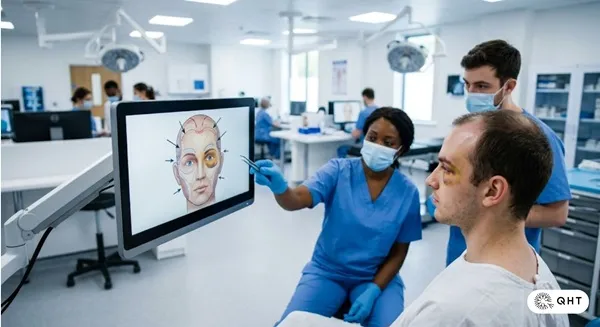
Modern techniques have made nasal surgery more precise and predictable. Surgeons now use advanced imaging tools to plan procedures and simulate potential results. This allows patients to visualize changes before committing to surgery.
Minimally invasive approaches and improved surgical methods have also reduced recovery time and minimized complications. These advancements contribute to safer procedures and more natural-looking outcomes.
Choosing the Right Surgeon
Selecting a qualified and experienced surgeon is one of the most important steps in the process. A skilled professional will understand both the functional and aesthetic aspects of nasal surgery and provide guidance tailored to individual needs.
Patients should look for credentials, experience, and a strong portfolio of previous work. Clear communication and trust between the patient and surgeon are essential for achieving desired results.
Final Thoughts
Nasal surgery is a versatile procedure that addresses a wide range of concerns, from breathing difficulties to aesthetic preferences. Whether the goal is to improve function, enhance appearance, or both, the decision should be made with careful consideration and proper guidance.
As awareness grows and techniques continue to improve, more individuals are exploring their options with confidence. For those considering treatment, consulting with a trusted professional can provide clarity and direction. In regions known for advanced medical expertise and cosmetic innovation, such as those offering Nasal surgery los angeles, patients often find access to skilled specialists who can address both medical needs and aesthetic goals with precision.



























Sign in to leave a comment.