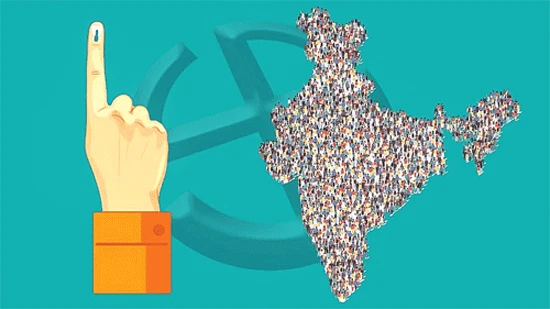

In the dynamic landscape of Indian democracy, the concept of "One Nation One Election" has been gaining traction as a potential reform to streamline the electoral process. This ambitious proposal advocates synchronizing the Lok Sabha and state assembly elections, aiming to create a more efficient, cost-effective, and cohesive electoral system. As India grapples with the complexities of its diverse political landscape, the idea of Nationwide Electoral Harmony has sparked intense debates and discussions among policymakers, politicians, and citizens alike.
Historical Context:
To understand the rationale behind the One Nation One Election concept, it is essential to delve into the historical context of India's electoral system. Currently, the country witnesses a continuous cycle of elections at various levels – from local bodies to state assemblies and the national parliament. This frequent electoral churn has been criticized for straining resources, diverting administrative focus, and causing governance interruptions.
The Proposal:
The core idea behind One Nation One Election is to synchronize all elections to be held simultaneously every five years. Proponents argue that this will not only reduce the burden on the exchequer but also ensure a more stable and continuous governance framework. The proposal envisions a harmonized electoral calendar, providing citizens with the opportunity to cast their votes for all levels of governance in a single phase.
Advantages:
Cost Efficiency: Conducting elections is an expensive affair. With One Nation One Election, the substantial costs associated with separate election cycles at various levels can be significantly reduced. This efficiency in resource allocation could be directed towards more pressing socio-economic issues.
Stability and Continuity: Synchronizing elections could potentially lead to more stable governments at both the state and national levels. This would allow elected representatives to focus on governance rather than preparing for the next electoral battle, fostering continuity and long-term planning.
Administrative Ease: Coordinating multiple elections poses a logistical challenge for the Election Commission and other administrative bodies. One Nation One Election streamlines the process, reducing the strain on resources and ensuring a more efficient and well-organized electoral machinery.
Reduced Political Polarization: Frequent elections often contribute to a sense of political polarization and perpetuate divisive narratives. Synchronizing elections could mitigate this issue by fostering a more unified national discourse, with citizens and political parties engaging in a collective decision-making process.
Challenges and Concerns:
Constitutional Amendments: Implementing One Nation One Election would require significant constitutional amendments. Achieving a consensus among diverse political parties, each with its own regional and ideological interests, poses a substantial challenge.
Federal Structure Concerns: Critics argue that the proposal might undermine the federal structure of the country. State-specific issues and regional dynamics could be overshadowed by the national narrative, potentially diluting the representation of regional aspirations.
Logistical Challenges: Conducting elections on such a massive scale would pose logistical challenges. Ensuring the availability of security forces, managing polling booths, and handling voter turnout could become daunting tasks.
Public Awareness and Participation: The success of One Nation One Election hinges on the active participation and awareness of the electorate. Ensuring that citizens are well-informed and engaged in the democratic process is crucial for the proposal to achieve its intended outcomes.
Conclusion:
One Nation One Election is a bold and innovative proposal aimed at transforming India's electoral landscape. While it offers several potential benefits, it is imperative to address the associated challenges and concerns. Striking a balance between national unity and regional representation is key, and a comprehensive dialogue involving all stakeholders is essential for the successful implementation of this ambitious electoral reform. As India navigates the complexities of its democratic journey, the quest for Nationwide Electoral Harmony through One Nation One Election remains an intriguing and evolving narrative.


































Sign in to leave a comment.