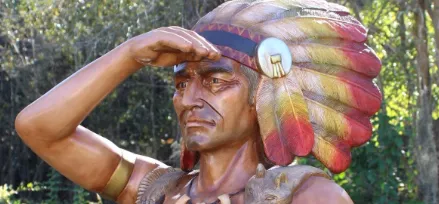

Need a decorative piece that feels alive? Some decorative pieces don’t just fill space, but rather add a touch of history, story, and spark curiosity. There are plenty of things with which you can decorate your home; however, few have the visual impact and cultural significance as a native american statue.
Due to its versatile style, it can be displayed in offices, shops, and even in your backyard. It’s previously linked with business decor, historical settings, making it popular for generations. Appreciated for its detailed craftsmanship, unique appearance, and historic connection, making it different from other decorative pieces.
A Symbol That Dates Back Centuries
The history of this statue dates back centuries and is truly interesting. Before people knew modern advertising, there were business owners who used visual symbols to attract, communicate, and connect with their customers. When it comes to the tobacco trade, carved figures represented indigenous people. This became so popular that it became a way to identify tobacco shops. Guess we can say it truly communicated to the brand and its offerings.
Historians note that these figures became associated with tobacco because Native Americans introduced tobacco to European explorers centuries ago.
Over time, these carvings evolved from simple storefront markers into highly detailed works of art. Many were handcrafted by skilled artisans who paid close attention to clothing, facial expressions, and traditional decorative elements.
These statues are appreciated more for their artistic and collectible value than their original advertising purpose.
What Makes These Statues So Appealing?
There is no shortage of decorative sculptures on the market, yet certain pieces continue to attract attention year after year. One that never goes out of style, and one reason for this is that it has a strong visual presence. Life-size statues are attention-grabbing, and that is why it doesn’t demand attention it commands it, whether placed in a room, outdoors, or even in stores.
Detailed features such as feathered headdresses, traditional attire, and hand-painted finishes create a sense of craftsmanship that mass-produced décor often lacks.
Collectors also appreciate the amount of work that goes into creating these pieces. Many are handcrafted using durable materials such as resin, fiberglass, or cast aluminum, allowing them to be displayed both indoors and outdoors.
A Decorative Piece That Creates Conversation
Among many decorative items, nothing feels grander than a life-size statue; many designers understand this, making these pieces famous. Its charm is unparalleled; it draws attention really quickly and gives any space character. A native american statue does exactly that.
In contrast to smaller decorative objects that get lost in the background, not because they are not visible, but because they lack character. A sculpture so large and fascinating becomes the centre of attention. Great way to start a conversation, asking about its history, meaning, and symbolism. A decorative piece that speaks.
Collectors frequently place these statues in entryways, themed rooms, cigar lounges, retail spaces, and historical displays.
The Value of Craftsmanship
One factor that separates quality statues from ordinary replicas is the level of detail involved in the production process.
Well-crafted pieces often feature:
- Hand-finished surfaces
- Detailed facial expressions
- Traditional clothing elements
- Realistic textures
- Durable construction materials
Many life-size models are created to withstand outdoor conditions while maintaining their appearance for years. This combination of artistry and durability increases their appeal among collectors and business owners alike.
Why Collectors Continue to Seek Them Out?
Collectibles often become valuable because they combine history, craftsmanship, and rarity. These statues meet all three criteria.
Original antique examples can be difficult to find and are often displayed in museums or private collections. According to historical accounts, many early examples disappeared over time due to changing advertising practices, urban regulations, and the natural wear that comes with age.
As a result, modern reproductions have become a popular option for people who appreciate the style and history of these iconic figures.
Choosing the Right Statue
For anyone considering adding one to a collection or display, several factors are worth considering:
Size
Life-size models create a dramatic impact, while smaller versions work well in homes and offices.
Material
Fiberglass, resin, wood, and cast aluminum each offer different advantages in terms of appearance and durability.
Placement
Consider whether the piece will be displayed indoors or outdoors before making a selection.
Detail
Higher-quality sculptures typically feature more realistic finishes and finer craftsmanship.
Choosing the right piece depends on the space available and the overall design style of the environment.
Final Thoughts
Decoration can be shallow or meaningful. When each piece is thoughtful or carries a story, it adds meaning to the space, the vibe hits different, and the area becomes welcoming to the visitors. And for this, native american statue is popular for. Not only does it have an intriguing history, evolving from being an advertising symbol to a popular, sought-after collectible.
The figure is perfect for those who are into history or if you are a business owner or simply love to collect unique figures.






















Sign in to leave a comment.