
When planning to launch a mobile app, one of the first decisions you'll face is whether to develop a native vs hybrid app. Both types of apps serve the same purpose—delivering content, functionality, and an overall great user experience on mobile devices—but they achieve this goal in different ways. Native apps are built for specific platforms like iOS or Android, while hybrid apps combine elements of both native and web apps. In this blog, we’ll explore the core differences between these two approaches and help you determine which is best suited for your app development needs.
What Are Native Apps?
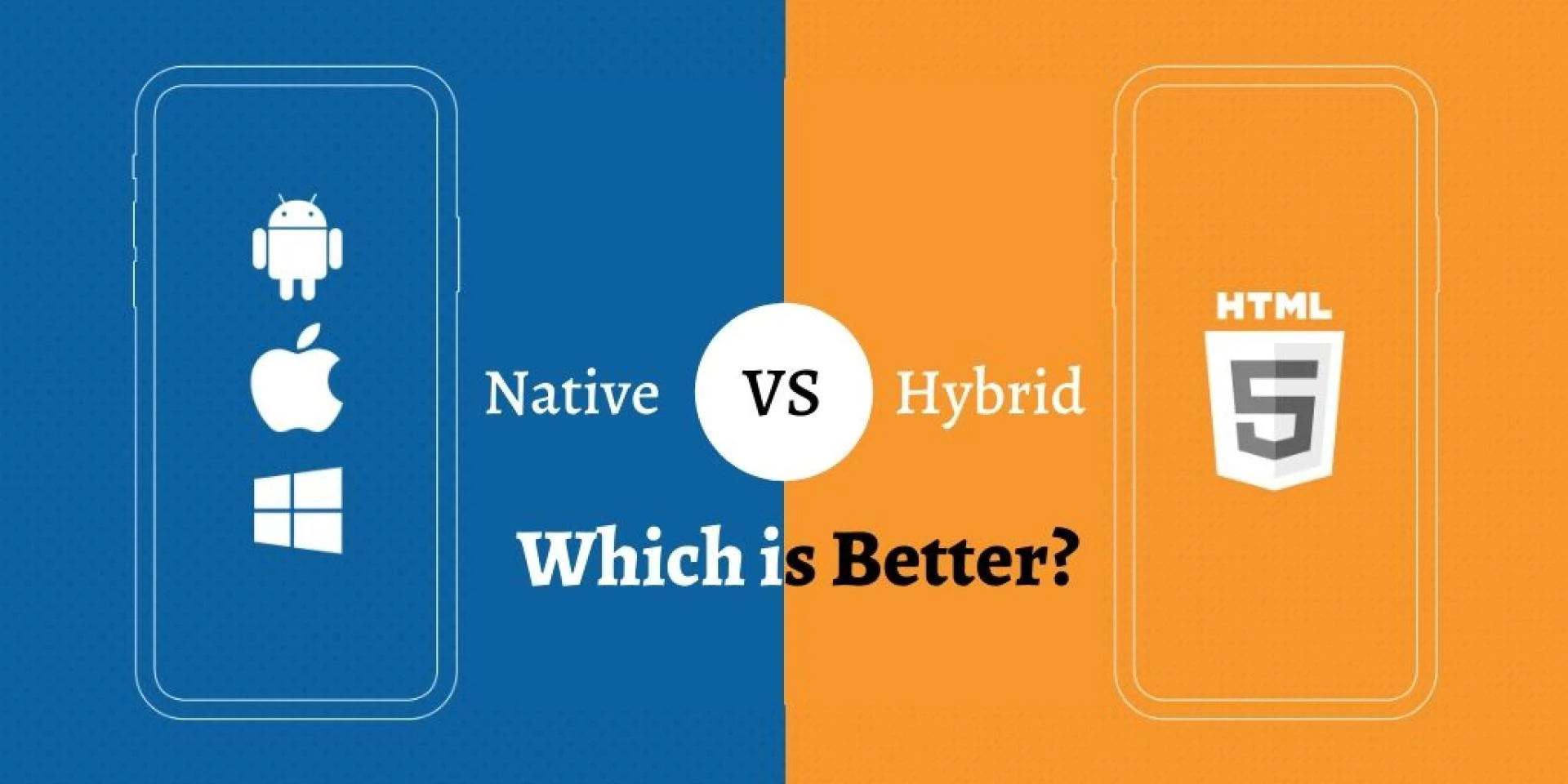
Native apps are applications designed and developed for a specific platform—iOS or Android—using the platform's native programming languages. For instance, iOS apps are written in Swift or Objective-C, and Android apps are written in Java or Kotlin. These apps are downloaded and installed directly on a device, providing direct access to the device's hardware and operating system features, resulting in high performance and an intuitive user experience.
Advantages of Native Apps:
- Superior Performance: Native apps run directly on the device’s operating system, making them faster and more responsive.
- Optimized User Experience: Native apps are designed according to platform-specific guidelines, ensuring a seamless and familiar user experience for iOS and Android users.
- Access to Device Features: Native apps can fully utilize the device's hardware features such as the camera, GPS, microphone, sensors, and more.
- Stability and Scalability: Native apps can be scaled easily to add more features as your app grows, ensuring long-term stability.
Real-Life Example:
Instagram is a perfect example of a native app, providing a fast and visually appealing experience with easy access to features such as camera integration and geolocation.
What Are Hybrid Apps?
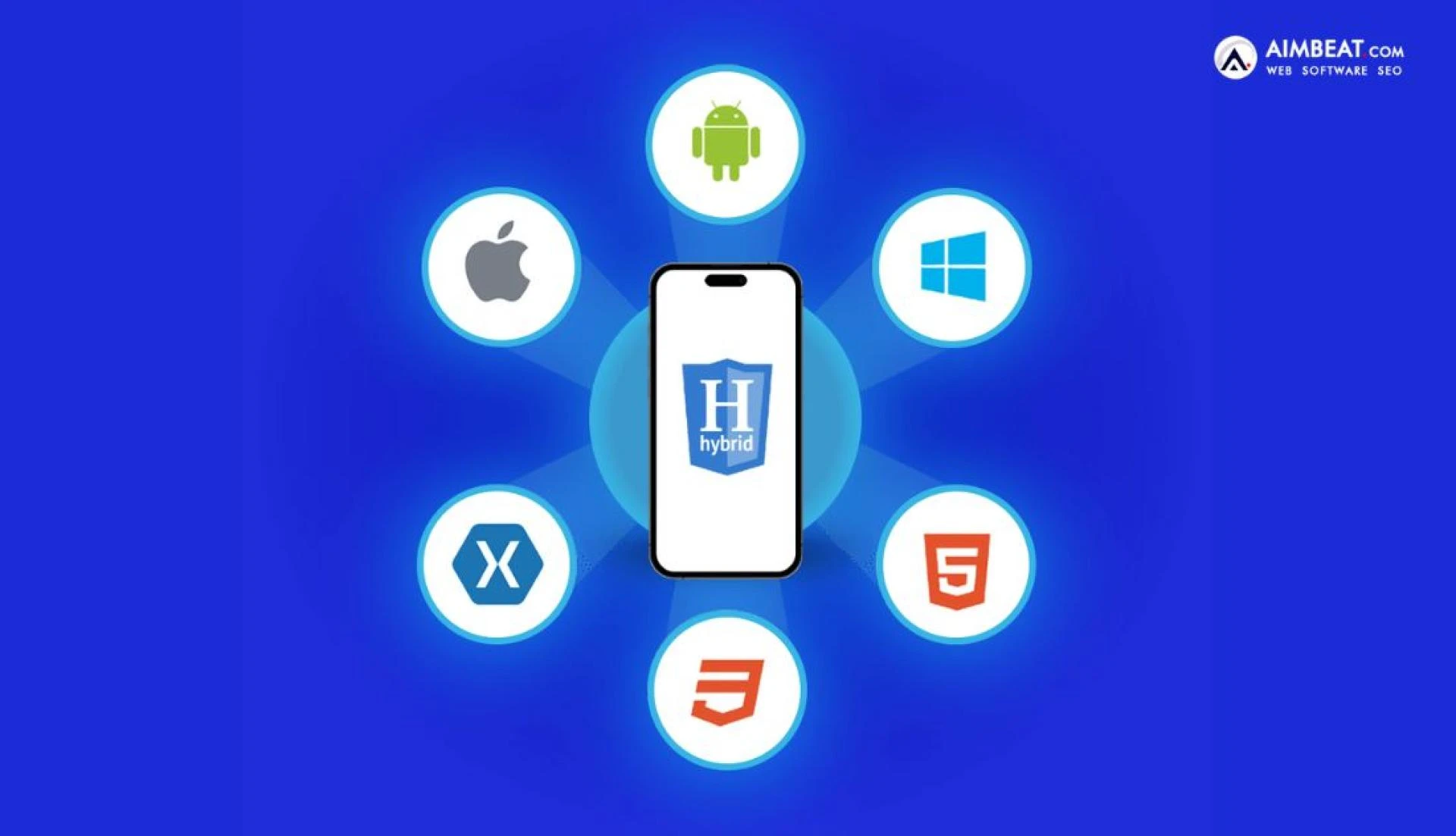
Hybrid apps, on the other hand, are a mix of both native and web apps. They use web technologies like HTML, CSS, and JavaScript to create a single codebase that can run on multiple platforms—iOS, Android, and sometimes even Windows. Hybrid apps are wrapped in a native container, which allows them to access some of the device’s features but rely mostly on web views to display content.
Advantages of Hybrid Apps:
- Cost-Effective: Hybrid apps are developed using a single codebase, reducing development costs as compared to building separate native apps for different platforms.
- Faster Time-to-Market: Because of the shared codebase, hybrid apps can be developed and deployed much faster than native apps, getting your app to market quicker.
- Cross-Platform Reach: Hybrid apps can target both iOS and Android platforms, making them ideal for businesses that want to reach a wide audience without doubling the development effort.
- Easy Maintenance: With a single codebase, updates and maintenance are simplified as changes can be applied to both platforms at once.
Real-Life Example:
Uber is an example of a hybrid app. It runs efficiently on both iOS and Android, offering cross-platform capabilities and fast ride-booking functionality.
Key Factors to Consider
1. Project Budget:
For businesses on a tight budget, hybrid apps offer a more affordable option since they allow you to develop once and deploy across multiple platforms. Native apps, while offering superior performance, often require more resources and a higher budget to develop separately for both iOS and Android.
2. User Experience and App Performance:
If user experience and performance are your top priorities—especially for complex apps that require real-time interaction, advanced features, or high-quality graphics—native apps are usually the better choice. Hybrid apps, although versatile, might not provide the same level of fluidity and responsiveness.
3. Development Speed:
If your goal is to launch your app quickly to get to market faster, hybrid apps can speed up the development process. Since you’re using a single codebase, hybrid apps take less time to develop and deploy compared to native apps, which require separate builds for each platform.
4. Maintenance and Updates:
Hybrid apps are simpler to maintain because you only have one codebase to update. Native apps, on the other hand, require separate updates for each platform, which can be more time-consuming and resource-intensive.
Real-World Applications: Native vs Hybrid
- Native Apps:
- Snapchat: A native app that uses real-time filters and camera effects.
- WhatsApp: A messaging app that fully utilizes the device’s microphone, camera, and notification system for seamless communication.
- Hybrid Apps:
- Amazon: Amazon’s mobile app is hybrid, delivering a consistent experience across both platforms while reducing development costs.
- Facebook: Facebook’s hybrid mobile app offers smooth functionality on both iOS and Android while allowing the company to update both versions simultaneously.
Conclusion
Choosing between native vs hybrid apps depends on your business’s goals, budget, and user experience requirements. Native apps provide better performance, access to device features, and a superior user experience, making them ideal for complex, high-performance apps. On the other hand, hybrid apps are cost-effective, faster to develop, and work across multiple platforms, making them a great option for businesses that need a quick, affordable solution.
At Pyramidions, we offer expert native and hybrid app development services tailored to your unique business needs. Whether you need the power and speed of native apps or the flexibility and cost-efficiency of hybrid apps, we can help you achieve your app development goals.
👉 Contact Pyramidions today to learn more about how we can help you bring your app idea to life!







Sign in to leave a comment.