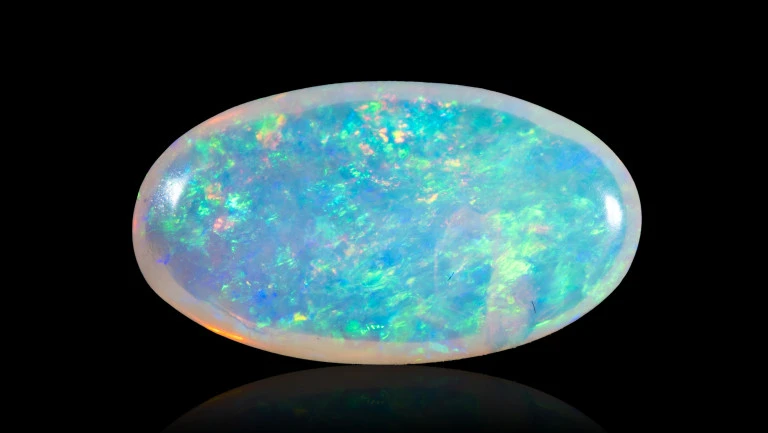

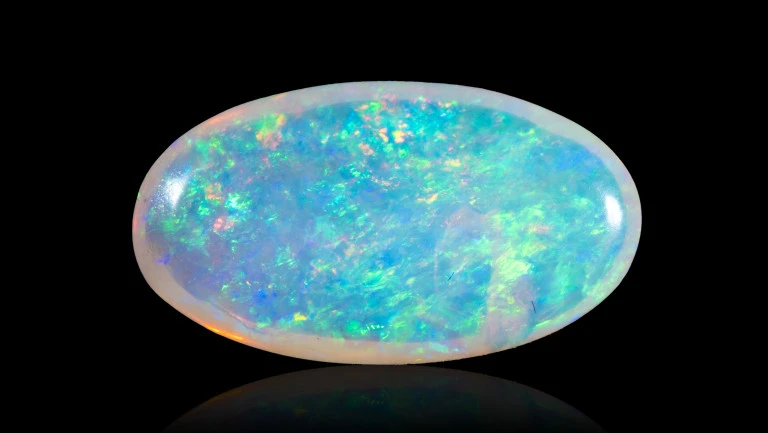
With the growing popularity of opal, synthetic and imitation versions are widely available in the market. Knowing the difference between natural opal and synthetic opal is essential for buyers.
Natural opals display an irregular and unpredictable play-of-color, while synthetic opals often show uniform, repeating patterns. Under magnification, lab-created opals may reveal a “lizard skin” or column-like structure that natural opals do not have.
Another key difference is value. Natural opals are rarer and more expensive, whereas synthetic opals are mass-produced and affordable. Weight, texture, and origin certification also help in identification.
Buying from a trusted gemstone seller and requesting a gemstone authenticity certificate is the safest way to ensure you are purchasing a genuine opal stone.
Sign in to leave a comment.