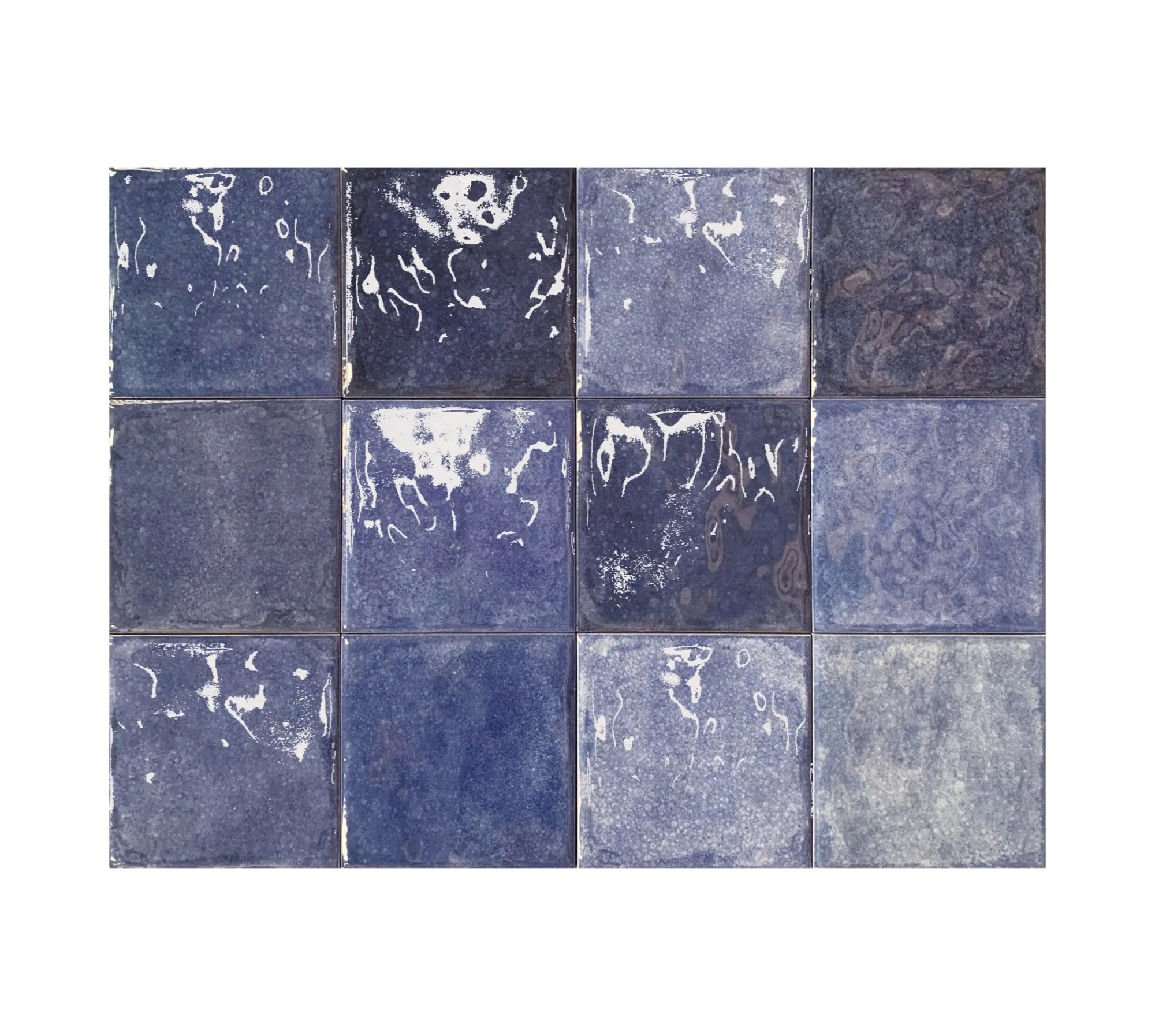

You have decided on natural stone for your floors.
But once you start comparing options, the questions stack up fast: Is travertine too porous for a kitchen? Will marble scratch? How do I know what finish to choose?
These are the right questions, and answering them before you buy will save you money and regret.
Why Natural Stone Floors Behave Differently Than Ceramic or Porcelain
Natural stone floor tiles are quarried from the earth, which means no two pieces are identical. That variation is part of the appeal, but it also means the material comes with properties that manufactured tiles do not have.
Stone is porous to varying degrees. It reacts to acids. It requires specific setting materials. Understanding these traits up front shapes every decision you make from here.
The most common natural stone floor tiles available to residential buyers are travertine, marble, limestone, slate, sandstone, and bluestone. Each has its own density, porosity, and finish range. Each works better in some spaces than others.
Material by Material: What You Are Actually Getting
Travertine is one of the most widely installed natural stone floor tiles in Florida and the Southeast. It is a sedimentary limestone, warm in tone, and naturally non-reflective when left in a brushed or tumbled finish.
The caveat: travertine has voids, small holes, and channels formed during its creation. Filled travertine, where those voids are packed with grout or epoxy during processing, is the right choice for high-traffic floors. Unfilled travertine is beautiful but collects debris in heavy-use areas.
Marble is dense, cool underfoot, and available in a wide tonal range from pure white Thassos to veined Carrara to the warm golds of Giallo Atlantide. Polished marble floors read as formal and are best suited to low-traffic areas or spaces where shoes come off.
For kitchens and bathrooms, a honed finish reduces the visibility of scratches and is easier to maintain. Marble etches from acidic contact with citrus, vinegar, wine so it is not ideal in spots where spills are frequent.
Material Comparison at a Glance
| Stone | Porosity | Hardness | Best For | Avoid In |
| Travertine | Medium–High | Medium | Pool decks, living areas, patios | Heavy-use kitchens (unfilled) |
| Marble | Low–Medium | Medium | Bathrooms, entryways, bedrooms | Kitchens, high-acid areas |
| Slate | Low | High | Mudrooms, outdoors, high traffic | Formal interiors requiring high polish |
| Limestone | Medium | Low–Medium | Living rooms, low-traffic areas | Busy kitchens, wet outdoor areas |
The Final Words
Most natural stone floor tiles need to be sealed before they are grouted and resealed periodically after that. The exception is very dense stone like slate or quartzite, which absorbs sealer slowly.
For travertine and marble, a penetrating impregnating sealer applied before grout installation prevents grout haze from staining the face of the tile. After installation, reseal annually in high-use areas, every two to three years in low-traffic zones.
The water test is simple: drop a few beads of water on the sealed stone and watch what happens. If they bead up, the sealer is intact. If the water soaks in and darkens the stone within a few minutes, it is time to reseal.





























Sign in to leave a comment.