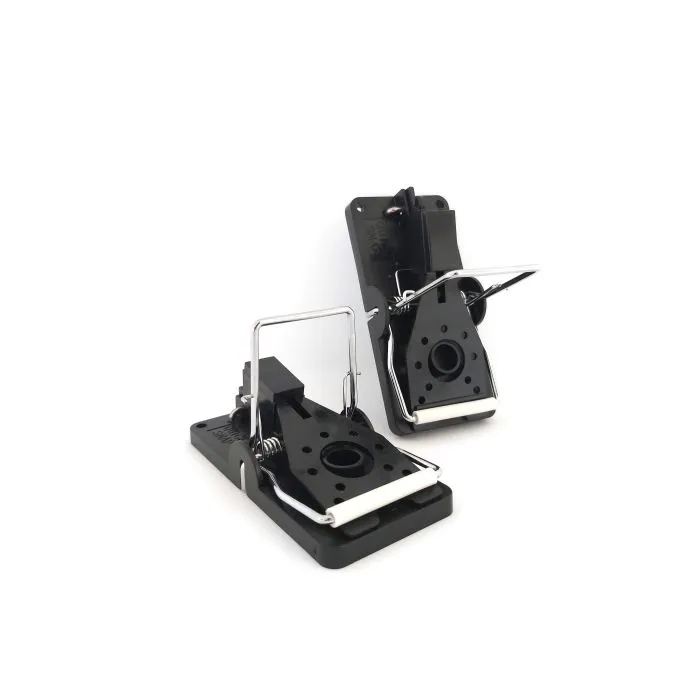

Look, everyone thinks they know how to handle a mouse or rat problem. You buy some traps at the hardware store. Set them up. Maybe grab a box of poison if you're feeling serious. And then you wait. But here's the thing nobody tells you. That approach works sometimes. Other times? You just made things worse. Not on purpose. But worse all the same. The difference between a small problem and a full-blown infestation usually comes down to one thing: knowing when to handle it yourself and when to call someone who does this every single day.
Why Traps Alone Won't Save You (No Matter What Your Dad Says)
I hear this all the time. "I set three traps in the garage and caught two mice. Problem solved." Except it's not. Not even close.
Rodents are weirdly smart about some things. Rats especially get suspicious of anything new in their space. You put a fresh trap out and they'll walk around it for days. Sometimes weeks. That's called trap shyness and it's real.
I talked to a homeowner once who was so proud of catching three rats. Showed me the traps and everything. Then I pulled back some insulation in his attic and found a whole family living up there. Droppings everywhere. Chewed wires. Nesting material. Three rats was nothing. That's the problem with traps. They catch the dumb ones first. The clever ones keep breeding.
Placement matters too but nobody places them right. People throw traps in the middle of the floor because that's where they'd walk. Rodents don't walk there. They hug walls. They follow pipes. They run along baseboards. A trap in an open space might as well be a decoration.
Also food. If you've got easy snacks out—dog food bowl, open cereal box, garbage can without a lid—why would a rodent touch your trap? It won't. Traps work better when there's nothing else to eat.

Rat Poison and Traps: Let's Talk About What Actually Works
Everyone lumps these together but they're not the same thing. Not even close.
Snap traps are old school but they work for small problems. You get instant proof when you catch something. No guessing. But you have to check them constantly. A trap with a dead mouse sitting for two weeks? Gross and useless. And placement matters like I said. Most people put them in the wrong spots then blame the trap.
Electronic traps are fancier. They zap the rodent and you just empty the thing. Cleaner than snap traps for sure. But they cost more and they're not magic. A big infestation will overwhelm one electronic trap pretty fast.
Glue traps? I'm not a fan. They catch things but it's slow and messy. Plus you catch stuff you didn't mean to sometimes. Birds. Lizards. Even small pets if you're not careful. And a rodent stuck on glue for days? That's not quick. I'll just leave it at that.
Poison bait is different. It doesn't kill right away. Rodents eat it, go back to their nest, and die later. That can be good because they don't learn to avoid the bait. But it's also bad because they die inside your walls. Then you get the smell. And you can't find the body. The smell lasts weeks sometimes. I've seen people tear open walls trying to find a dead rat. Not fun.
Poison also scares me around pets and kids. A dog finds a poisoned rat? The dog gets sick too. Or worse. So you have to be really careful with that stuff.
How to Tell Your Rodent Problem Is Getting Worse (Before It's Obvious)
You don't want to wait until you see rats running across your kitchen floor in daylight. That's already an emergency. But there are earlier signs.
Noises. Scratching in walls at night might be one or two mice. Scratching all day long? Running sounds? Squeaking? That's more than a couple. That's a family.
Droppings. A few old droppings in the garage means maybe a mouse passed through. Fresh droppings every single morning no matter how many you clean up? That means they're living there. Droppings multiply fast when an infestation grows.
Damage. Rodents chew everything. Wires, insulation, wood, food boxes. One chewed wire is annoying. Multiple chewed wires with gnaw marks on furniture and baseboards? That's a bigger problem. They don't stop chewing. Their teeth grow constantly so they have to gnaw on stuff.
Smells. This one's hard to describe but once you smell it you know it. A musty, ammonia kind of smell. Like old sweat mixed with dirt. That's rodent urine and nesting material. If your basement or attic smells like that, you've got a real infestation.
Daylight sightings. Rodents are nocturnal mostly. They come out at night when it's safe. So when you see one running around at noon? That means their hiding spots are overcrowded. They're fighting for space. That's always bad news.
When Emergency Rodent Removal Is Actually Worth It
I'm not the type to tell everyone they need a professional for everything. Some jobs you can do yourself. But emergency rodent removal has its place. Here's when you actually need it.
You've tried everything and it's worse. If you've been setting traps, using poison, sealing holes, and the problem is still growing? Stop guessing. Call someone. You're not saving money anymore. You're just frustrating yourself.
Rodents are inside your walls or attic. This is the big one. You can't easily get to them. You can't see where they're nesting. A pro has tools—boroscopes, thermal cameras, experience—to find the colony without tearing your house apart. DIY methods barely touch hidden infestations.
Someone in the house has health issues. Rodent droppings carry diseases. Hantavirus is rare but real. Allergies get worse. Asthma attacks get triggered. If you've got young kids, elderly parents, or anyone with breathing problems, don't mess around. Get it handled fast.
You run a business. Restaurants, grocery stores, warehouses, even offices. One customer sees a rodent and you're done. Reviews go bad. Health inspectors show up. Emergency rodent removal costs less than shutting down for a week. Way less.
The problem keeps coming back. You clear them out and three months later they're back. That means you missed something. An entry point you didn't find. A nesting spot you didn't treat. Recurring infestations don't fix themselves. They just get worse every cycle.

What Most Homeowners Get Wrong (And I See It All the Time)
Biggest mistake? Focusing on killing rodents instead of keeping them out.
Think about it. You can trap twenty mice. Great. But if your foundation has a hole the size of a quarter, twenty more will move in next week. Rodents don't send invitations. They just follow the same path the last ones used.
So you have to do both. Kill what's inside. Seal what's outside. If you only do one, you're wasting your time.
Second mistake? Using poison without thinking about where they'll die. Nobody wants a dead rat inside their wall. Nobody wants to smell that for a month. If you use bait, use it with a strategy. Know where they're nesting. Check the area regularly.
Third mistake? Giving up too fast. Rodent control takes weeks sometimes. You might see less activity after a few days and think you're done. Then you stop trapping and they bounce right back because you didn't finish the job.
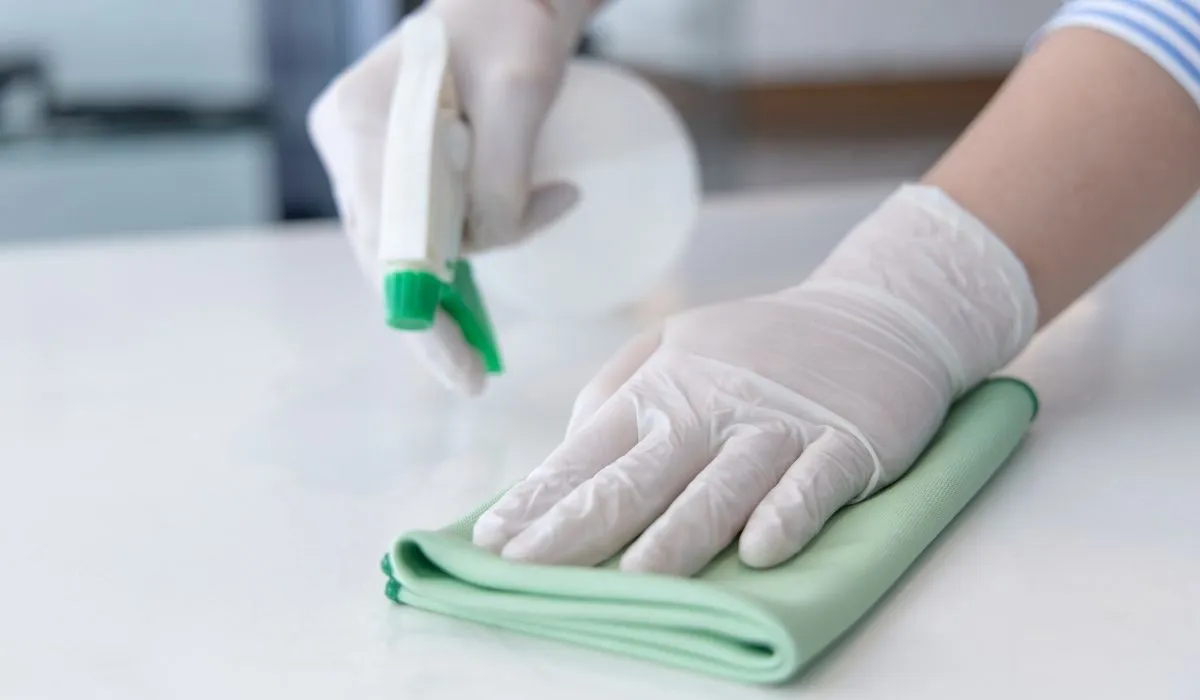
Fourth mistake? Not cleaning up after. Droppings and urine attract new rodents. It's like a sign that says "safe place to live." You have to sanitize the area after you clear them out. Bleach solution works. Gloves and mask too. Don't be gross about it.
Prevention Is Boring But It Works Better Than Anything Else
Nobody wants to hear this because it's not exciting. But I'll say it anyway.
Rodents come inside for three reasons. Food. Water. Shelter. Take away those three things and they have no reason to be there.
Food means pet bowls left out overnight. Bird seed in the garage. Garbage cans without tight lids. Pantry boxes that aren't sealed. Stop leaving snacks around and rodents will look elsewhere.
Water means leaky pipes, dripping faucets, standing water anywhere. A mouse can live on very little water but they don't have to if your basement is damp. Fix the leaks.
Shelter means clutter. Cardboard boxes everywhere. Piles of wood against the house. Storage areas that never get touched. Rodents love that stuff. It's like a hotel for them. Clean it up and they have nowhere to hide.
Also seal your house. Walk around outside and look for gaps. Around pipes. Under doors. Where the foundation meets the siding. Any hole bigger than a dime lets mice in. Rats need a hole the size of a quarter. That's smaller than you think. Steel wool and spray foam work for small gaps. Hardware cloth for bigger ones.
So What Actually Works Best?
I'm not going to give you one answer because there isn't one. Depends on your situation.
Small problem? One or two mice, fresh droppings, no noises in walls? Snap traps and sealing entry points will probably do it. Save your money.
Medium problem? Hearing scratching, finding droppings every day, maybe saw one or two? Combine traps with bait stations outside. Clean up food sources. Seal holes. Monitor for a few weeks.
Big problem? Rodents in the walls. Daylight sightings. Smells. Property damage. Recurring issues? That's when emergency rodent removal makes sense. Not because you're lazy. Because DIY methods won't fix it and you'll just waste time and money trying.
The best strategy is always integrated. Traps plus bait plus exclusion plus sanitation. Pick one method and you'll fail eventually. Use all of them and you've got a real chance.
Frequently Asked Questions
How long until rat poison and traps actually work?
Traps can work immediately if placed right. Poison takes days because rodents have to eat enough of it. You won't see results overnight with bait. Be patient or use traps if you want fast proof.
Do I really need emergency rodent removal for a few mice?
Probably not. A few mice in a garage or basement is manageable yourself. Emergency services are for severe infestations, recurring problems, or situations with health risks. Don't call an emergency pro for one mouse. That's overkill.
What's the single biggest mistake homeowners make?
Easy. They kill rodents but don't seal entry points. Then they're shocked when new rodents show up. Of course they show up. You left the door open. Seal first or seal after but you have to seal something.
Are rodents actually dangerous or is that overblown?
They're not going to attack you. But they carry diseases through droppings and urine. They start electrical fires by chewing wires. They ruin insulation. So yeah, they're dangerous. Just not in a movie monster way. More in a slow, expensive, gross way.
Can I use poison if I have dogs?
I really don't recommend it. Dogs find poisoned rodents and eat them. Then the dog gets poisoned. It happens more than people think. If you have pets, stick with traps inside and be extremely careful with any bait. Better yet, call a pro who knows how to use bait safely around animals.
Conclusion
Look, rodent control isn't rocket science but it's not as simple as throwing down some traps either. Rat poison and traps have their place. They work for small problems when used right. But they're not magic. And they won't fix a real infestation if you ignore the root causes.
Emergency rodent removal sounds dramatic but sometimes it's just the smart play. When rodents are in your walls. When you've tried everything and it's getting worse. When health or business risks are on the line. That's not giving up. That's being realistic.
The best thing you can do is stop guessing. Look at your situation honestly. Small problem? Handle it yourself but do it right—traps, bait if you're careful, seal holes, clean up food. Big problem? Call someone before it gets even bigger. Because it will get bigger. Rodents don't take breaks and they don't feel bad about it. They just keep eating, nesting, and making more rodents.
Don't let that be your house. Deal with it now. However that looks for you. Just deal with it.





























Sign in to leave a comment.