
Nature photography has always been more than a creative pursuit. It is a bridge between human perception and the fragile ecosystems that surround us. Through a lens, fleeting moments of beauty, vulnerability, and resilience are transformed into lasting impressions that inspire action. For photographers like Damith Danthanarayana, who combines artistry with a passion for conservation, each image tells a story that goes beyond aesthetics. It carries a message: that the natural world deserves not only admiration but also protection.
The Photographer’s Role in Protecting Nature
Documenting rare species and fragile habitats
One of the most vital roles of nature photography is its ability to document what might otherwise go unseen. Many species and habitats are under constant threat from human activity, climate change, and loss of biodiversity. By capturing these fleeting encounters, photographers preserve evidence of both the beauty and the vulnerability of the natural world.
A single photograph of a rare bird, a delicate orchid, or a hidden wetland can serve as a record for researchers, conservationists, and future generations. It can highlight areas of ecological importance that require urgent protection. In this way, nature photography becomes more than art—it becomes a scientific and cultural archive.
Photography as a voice for silent ecosystems
Unlike humans, wildlife and ecosystems cannot advocate for themselves. Nature photography provides that voice, creating visual narratives that resonate across boundaries of language and culture. When images of threatened species or degraded habitats are shared, they become powerful reminders of what is at stake.
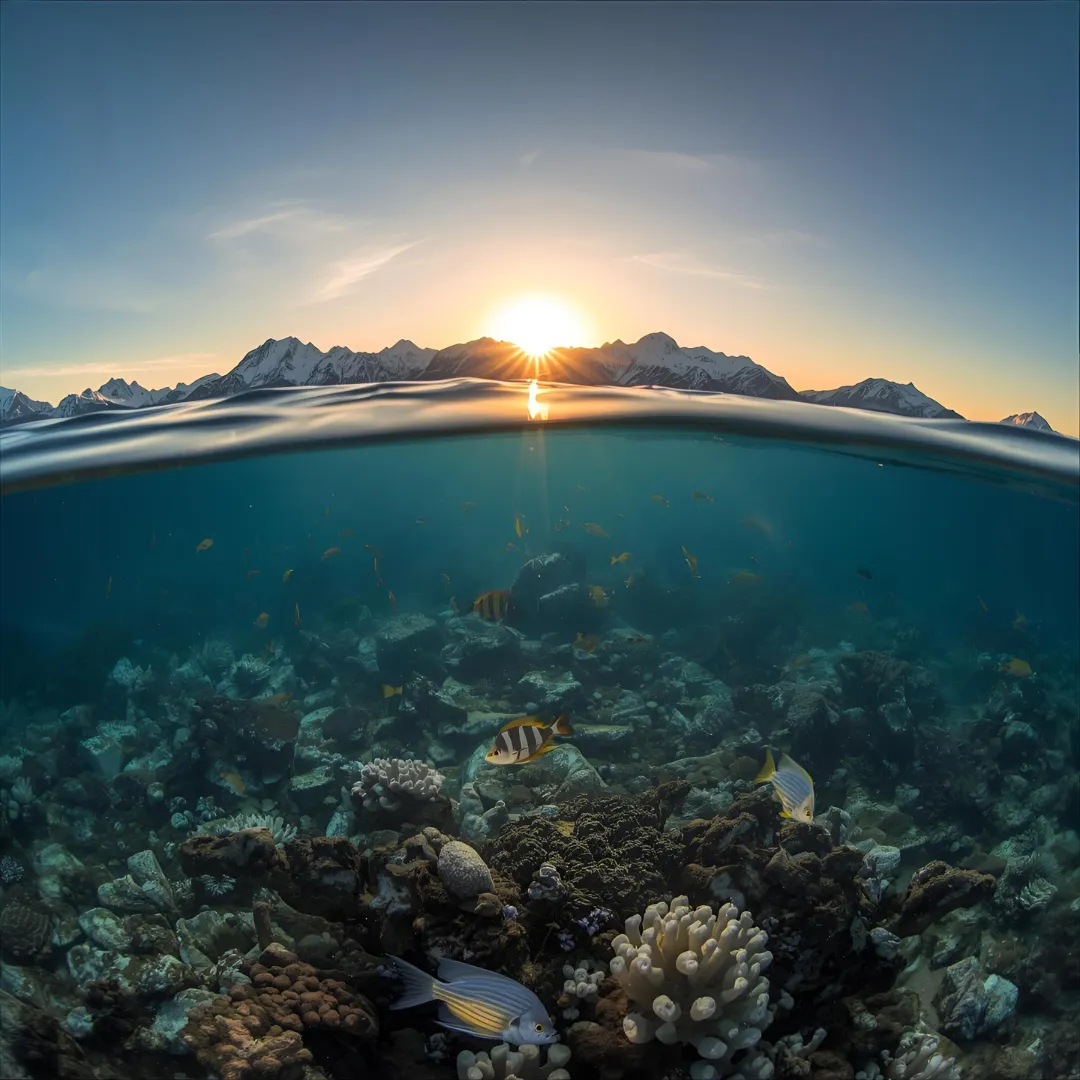
Photographers take on the responsibility of being storytellers for the silent. A compelling photograph of a forest floor rich with life or a coral reef shimmering with biodiversity conveys urgency and reverence simultaneously. It tells audiences: this beauty exists, but it may not last unless we protect it.
Inspiring Awareness Through Visual Storytelling
Emotional power of impactful images
Nature photography speaks directly to human emotion. Unlike scientific data or policy documents, a single image can spark awe, empathy, or even outrage. A close-up of a butterfly’s fragile wings or a dramatic image of an elephant in the wild can stir feelings that words often fail to capture.
This emotional connection is the first step toward awareness. People are more likely to care about issues they feel personally connected to. By showing the intricate details of wildlife or the grandeur of landscapes, photographers bridge the gap between distant ecosystems and the viewer’s everyday life.
How photographs shape public perception of conservation
Public support for conservation often begins with awareness, and visual imagery is one of the most effective tools for creating that awareness. When people see photographs of endangered species or threatened landscapes, they begin to understand the urgency of conservation.
Over time, repeated exposure to such imagery helps shape cultural attitudes. For instance, the popularity of striking images in exhibitions, social media, and publications has led to greater interest in wildlife protection and sustainable tourism. Nature photography has the power to reframe the conversation, showing conservation not as a distant issue but as a shared global responsibility.
Supporting Global Conservation Initiatives
Collaborations with organizations and projects
Photographers frequently lend their work to conservation organizations and initiatives. These collaborations strengthen campaigns and expand their reach. By providing authentic and impactful visuals, photographers amplify the voices of conservation groups that are already working tirelessly on the ground.
Projects like Remembering Wildlife, which Damith Danthanarayana has contributed to, demonstrate the power of imagery in mobilizing support. Such initiatives combine the artistry of nature photography with the mission of raising awareness and funds for endangered species. The resulting publications and exhibitions do not merely showcase images—they serve as catalysts for global conversations on biodiversity and its preservation.
How photo contributions raise awareness and funds
Beyond awareness, photography plays a tangible role in generating support for conservation. Sales of prints, book projects, and exhibitions often directly fund initiatives protecting habitats and species. Additionally, powerful images shared through digital campaigns encourage individuals to donate, volunteer, or participate in conservation-focused events.
By connecting people emotionally to causes, photography ensures that conservation efforts receive not only attention but also the resources needed for real-world impact. Each photograph becomes both an educational tool and a fundraising vehicle, turning beauty into action.
Ethical Considerations in Nature Photography
Respecting wildlife boundaries
With the growing popularity of nature photography, ethical practices have become increasingly important. Photographers carry the responsibility of ensuring that their presence does not harm the very subjects they are trying to protect. Respecting wildlife boundaries is essential. This means avoiding behaviors that could stress, frighten, or alter the natural actions of animals.
For example, maintaining proper distance, using long lenses instead of approaching too closely, and limiting disturbance during sensitive times such as breeding seasons are critical practices. The true value of a photograph lies not just in its beauty but in the integrity of how it was captured.
Avoiding disturbance to natural habitats
Beyond the animals themselves, habitats must also be respected. A single careless step off a trail can damage fragile ecosystems like moss beds, wetlands, or nesting grounds. Ethical nature photography requires mindfulness not only of the subject but also of the surrounding environment.
Photographers who prioritize conservation are careful to leave no trace of their presence. Their work reflects not only skill with a camera but also a deep respect for nature’s balance. By modeling such practices, they inspire other photographers and enthusiasts to adopt similar principles.
Conclusion
Nature photography is not only an art form but also a responsibility. Each image captured carries the potential to inspire change, foster awareness, and contribute to conservation efforts worldwide. Through documenting rare species, amplifying the voice of silent ecosystems, and supporting global initiatives, photographers create lasting impact.
At its best, nature photography is more than a visual record—it is a call to action. It reminds us that beauty alone is not enough; protection is essential. By practicing ethical photography and collaborating with conservation movements, artists like Damith Danthanarayana show us that the camera is not just a tool for creativity but a force for preservation.
In a world where biodiversity faces unprecedented challenges, every photograph matters. Each frame has the power to touch hearts, influence perspectives, and ultimately, protect the fragile web of life that sustains us all.

























Sign in to leave a comment.