
Introduction
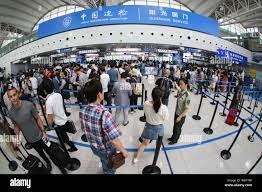
China has emerged as a global manufacturing powerhouse, producing a wide range of products that find their way into households and businesses worldwide. As the world's factory, China's factories and production facilities are subject to various quality control measures, with full inspections being a crucial component. In this article, we will delve into the concept of Full Inspections in China, their significance, and how businesses can navigate this process effectively.
Understanding Full Inspections
Full inspections, also known as 100% inspections, are quality control measures that involve examining every unit or item in a production batch to ensure they meet the specified quality standards. This meticulous scrutiny is particularly crucial in industries where defects or subpar products could have significant consequences, such as electronics, pharmaceuticals, and automotive.
The Significance of Full Inspections in China
Quality Assurance: Full inspections play a pivotal role in ensuring that products leaving Chinese factories meet the required quality standards. This is especially important for businesses that source goods from China, as any lapses in quality can result in product recalls, customer dissatisfaction, and damage to brand reputation.
Regulatory Compliance: China has stringent regulations and quality control standards that businesses must adhere to when manufacturing products within the country. Full inspections help manufacturers and importers meet these compliance requirements, avoiding legal complications and fines.
Risk Mitigation: Conducting full inspections reduces the risk of defective or substandard products reaching the market. This is essential for companies aiming to maintain their reputation and customer trust.
Navigating Full Inspections in China
Choose the Right Inspection Service Provider:
To ensure a successful full inspection, it is vital to partner with a reputable inspection service provider. Look for a company with a proven track record in your industry and extensive experience in conducting inspections in China. They should be familiar with Chinese regulations and quality standards.
Define Clear Inspection Criteria:
Before the inspection, work closely with your inspection service provider to establish clear and detailed inspection criteria. These criteria should outline the specific quality standards, product specifications, and any unique requirements for your product.
Select Random Sampling:
In full inspections, it is often impractical to inspect every single unit, especially for large production batches. Instead, random sampling is employed to select a statistically significant portion of the batch for inspection. Your inspection service provider should use scientific methods to determine the sample size to ensure accurate results.
Conduct Pre-Production Inspections:
To catch quality issues early in the production process, consider conducting pre-production inspections. These evaluations assess the materials, components, and initial stages of manufacturing to identify and rectify potential problems before they become widespread.
On-Site Inspections:
Full inspections typically involve on-site inspections where inspectors physically examine the products at the factory. Ensure that your inspection service provider has experienced inspectors who are knowledgeable about your product and industry.
Document the Process:
Detailed documentation of the inspection process is essential. This includes photographs, videos, written reports, and any other relevant data. These records can be crucial for dispute resolution, compliance, and continuous improvement.
Post-Inspection Actions:
Once the inspection is complete, there are several possible outcomes. Products that meet the quality standards can proceed to shipment, while those that fail inspection may require rework or disposal. Discuss and implement necessary corrective actions with your supplier.
Continuous Improvement:
Use the insights gained from full inspections to drive continuous improvement in your supply chain. Identify recurring issues, implement preventive measures, and work collaboratively with your Chinese suppliers to enhance product quality.
Challenges of Full Inspections in China
While full inspections are critical for quality control, they come with their own set of challenges in the Chinese manufacturing landscape:
Language Barriers: Communication can be a challenge when working with Chinese manufacturers. It's essential to have clear communication channels in place to ensure that inspection criteria are understood and followed accurately.
Cultural Differences: Understanding and respecting cultural norms and practices is crucial when conducting business in China. Building strong relationships with your Chinese partners can help overcome cultural differences and facilitate cooperation.
Logistics and Scheduling: Coordinating inspections, especially for international businesses, can be logistically complex. Adequate planning and communication are necessary to ensure inspections align with production timelines.
Cost Considerations: Full inspections can incur additional costs, including inspection fees, travel expenses, and potential production delays. Businesses must weigh these costs against the benefits of ensuring product quality.
Conclusion
Full inspections in China are a vital component of quality control for businesses involved in sourcing products from this manufacturing giant. By understanding the significance of full inspections, partnering with experienced inspection service providers, and navigating the challenges effectively, businesses can ensure that the products they source from China meet the required quality standards, ultimately leading to customer satisfaction and business success.
Read more articles
https://guestpostingline.com/






























Sign in to leave a comment.