

In today's ever-evolving business landscape, staying compliant with legal regulations can be a daunting task for Australian companies. Corporate lawyers are emerging as invaluable allies, adept at guiding enterprises through these complex legal challenges.
This post will shed light on the role of corporate lawyers in helping businesses navigate the intricacies of changing regulations. We will explore how their expertise and understanding of relevant legislation are instrumental in safeguarding your business's interests while ensuring compliance.
So, whether you're a seasoned entrepreneur or a budding startup, read on to discover how corporate lawyers can be your secret weapon in this legal labyrinth.
Understanding the Modern Legal Landscape
The legal landscape in Australia is constantly evolving, driven by changes in government policies, advancements in technology, and global trends.
As a business owner, it can be overwhelming to keep up with these rapid transformations. This is where a skilled corporate lawyer can make all the difference.
They possess an in-depth knowledge of the most up-to-date legislation, such as the Corporations Act 2001, Competition and Consumer Act 2010, and Privacy Act 1988, among others, ensuring your business always remains compliant.
Advising on Investment, Shareholders' Agreements, Mergers and Acquisitions, and Company Meetings
Corporate lawyers play a pivotal role is in advising corporations on various investment-related matters, shareholders' agreements, mergers and acquisitions, as well as company meetings and documentation.
Investment
When it comes to investments, corporate lawyers assist businesses in understanding the legal implications and potential risks associated with investment decisions. They review investment proposals, conduct due diligence, and ensure compliance with relevant regulations, such as the Corporations Act 2001.
By leveraging their expertise, corporate lawyers help corporations make informed investment choices that align with their strategic objectives while mitigating legal and financial risks.
Shareholders’ Agreements
Shareholders' agreements are essential legal documents that outline the rights and responsibilities of shareholders within a corporation.
Corporate lawyers provide valuable guidance in negotiating, drafting, and reviewing shareholders’ agreements, ensuring they accurately reflect the shareholders' interests and comply with legal requirements.
They also assist in resolving any disputes that may arise among shareholders, protecting the company's stability and reputation.
Mergers and Acquisitions
In the context of mergers and acquisitions (M&A), corporate lawyers play a vital role in guiding corporations through the complex legal aspects of these transactions.
They conduct legal due diligence to identify potential risks and liabilities, negotiate and draft transaction documents, and facilitate the smooth execution of the M&A process.
Corporate lawyers work closely with their clients to protect their interests, minimise legal obstacles, and ensure compliance with applicable laws and regulations.
Company Meetings and Documentation
Moreover, corporate lawyers provide valuable advice and assistance when it comes to company meetings and documentation.
They ensure that all necessary legal requirements are met for convening and conducting meetings, such as board meetings or shareholders' meetings.
They review and prepare documentation, such as meeting minutes, resolutions, and bylaws, to ensure accuracy, compliance, and transparency.
The Impact of Data Privacy Regulations
Now, let's delve into a real-life example that illustrates the invaluable role of corporate lawyers in navigating changing regulations.
Imagine you run an e-commerce platform that collects and stores customer data to enhance personalized experiences.
With the recent introduction of the Notifiable Data Breaches (NDB) scheme under the Privacy Act 1988, businesses are now required to promptly report any data breaches that could result in harm to individuals. Failure to comply with these regulations can lead to severe penalties and damage to your brand's reputation.
Here's where a corporate lawyer can step in to protect your business. They will assess your data collection practices, review your privacy policies, and ensure that you have robust security measures in place to prevent breaches.
In the event of a breach, your lawyer will guide you through the necessary steps for reporting and managing the situation, minimising legal risks and potential reputational harm.
Adapting to Digital Transformation
The rise of the digital age has brought about a myriad of opportunities and challenges for businesses. From e-commerce to cloud computing, the digitization of operations has transformed the way we do business. However, it has also given rise to novel legal issues that must be addressed.
Corporate lawyers with expertise in technology law can provide critical guidance in areas such as intellectual property protection, online contracts, data privacy, and cybersecurity. For instance, they can help you draft iron-clad contracts that cover all aspects of online transactions, protecting your business from potential disputes and legal loopholes.
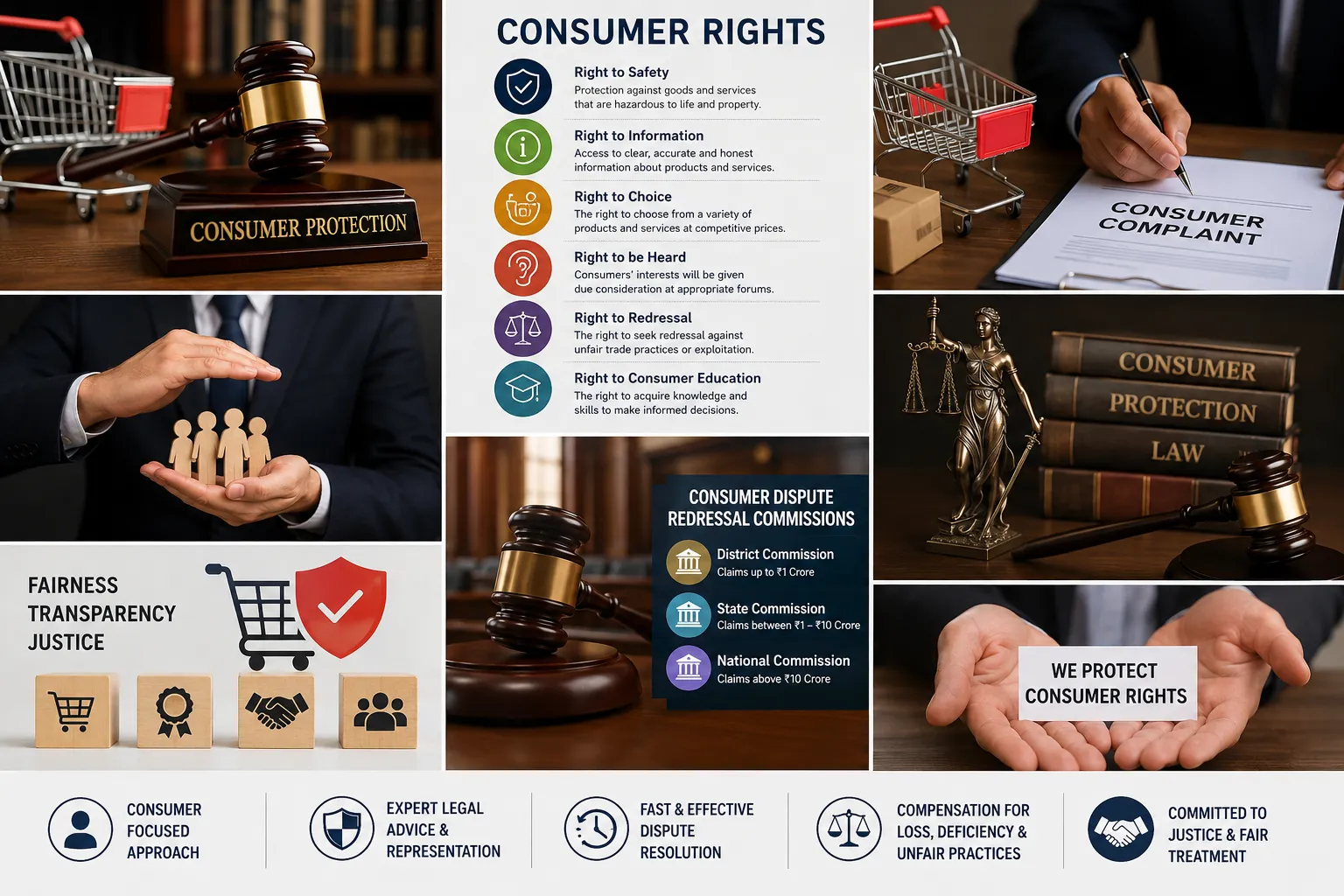
Adapting to Consumer Protection Regulations
In addition to technological advancements, the modern legal landscape in Australia also emphasises the protection of consumers' rights.
Consumer protection laws, such as the Australian Consumer Law (ACL) under the Competition and Consumer Act 2010, aim to ensure fair and transparent business practices. As a business owner, it is crucial to understand these regulations and how they impact your operations.
Corporate lawyers well-versed in consumer protection regulations can provide invaluable guidance in areas such as advertising and marketing practices, product labelling requirements, and handling customer complaints. They can review your marketing campaigns to ensure compliance with the ACL's prohibitions on misleading or deceptive conduct.
Furthermore, they can help you establish robust internal policies and procedures to address customer complaints effectively, minimising legal risks and maintaining your brand's reputation.
For example, let's consider a scenario where a cosmetic company is launching a new skincare product. A corporate lawyer with expertise in consumer protection can help ensure that the product's labelling meets the requirements outlined by the ACL, including accurate ingredient lists and clear usage instructions.
They can also review the company's advertising materials to avoid any misleading claims that could potentially violate consumer protection laws. By proactively addressing these legal considerations, businesses can build trust with their customers and avoid costly legal disputes.
Employment Law Compliance in a Changing Workforce
The dynamic nature of the modern workforce, including the rise of remote work and the gig economy, has created new legal challenges for businesses in Australia.
Employment laws are constantly evolving to address these changes and protect the rights of workers. As a business owner, it is crucial to stay updated on these regulations to ensure compliance and mitigate potential legal risks.
Corporate lawyers specialising in employment law can provide essential guidance in navigating these complexities. They can help you understand your obligations as an employer, including employment contracts, minimum wage requirements, and workplace health and safety regulations.
With their expertise, they can assist in drafting comprehensive employment contracts that address the unique aspects of the gig economy or remote work arrangements.
Let's consider an example where a technology startup hires freelancers from various countries to work remotely on specific projects. A corporate lawyer well-versed in employment law can ensure that the company complies with international employment regulations and taxation laws.
They can provide guidance on classifying workers correctly, determining appropriate remuneration, and establishing effective communication channels with remote employees. By proactively addressing these legal considerations, businesses can mitigate potential disputes and maintain a positive working relationship with their remote workforce.
By partnering with a knowledgeable corporate lawyer, businesses can adapt to the changing legal landscape surrounding consumer protection and employment laws. Their expertise will help businesses navigate these regulations, mitigate legal risks, and build a solid foundation for long-term success in the evolving business landscape of Australia.
The Key Takeaway
In today's fast-paced business environment, Australian entrepreneurs must stay abreast of changing legal regulations to safeguard their businesses. Engaging the services of a knowledgeable corporate lawyer who understands the modern legal landscape is no longer a luxury but a necessity.
By partnering with a corporate lawyer, you can tap into their expertise in relevant legislation, ensuring your compliance with changing regulations while mitigating legal risks. From data privacy to digital transformation, consumer protection to employment law, these legal experts have the skills and know-how to guide your business through any legal challenges that may arise.
Remember, in this ever-changing legal world, it's not just about staying compliant; it's about staying one step ahead of the game, and a skilled corporate lawyer can be your most valuable ally on this journey.





























Sign in to leave a comment.