
Microsoft Azure has become a leading cloud platform, and obtaining Azure certifications can significantly enhance your career prospects. Whether you’re a beginner or an experienced IT professional, understanding the certification path is crucial for your success.
For those looking to enhance their skills, Microsoft Azure Course in Bangalore programs offer comprehensive education and job placement assistance, making it easier to master this tool and advance your career.
Here’s a comprehensive guide to help you navigate the Azure certification landscape.
Why Pursue Azure Certifications?
- Industry Recognition: Azure certifications are recognized globally, providing credibility to your skills.
- Career Advancement: Certified professionals often have better job opportunities and higher salaries.
- Skill Validation: Certifications validate your expertise in specific areas of Azure, helping you stand out.
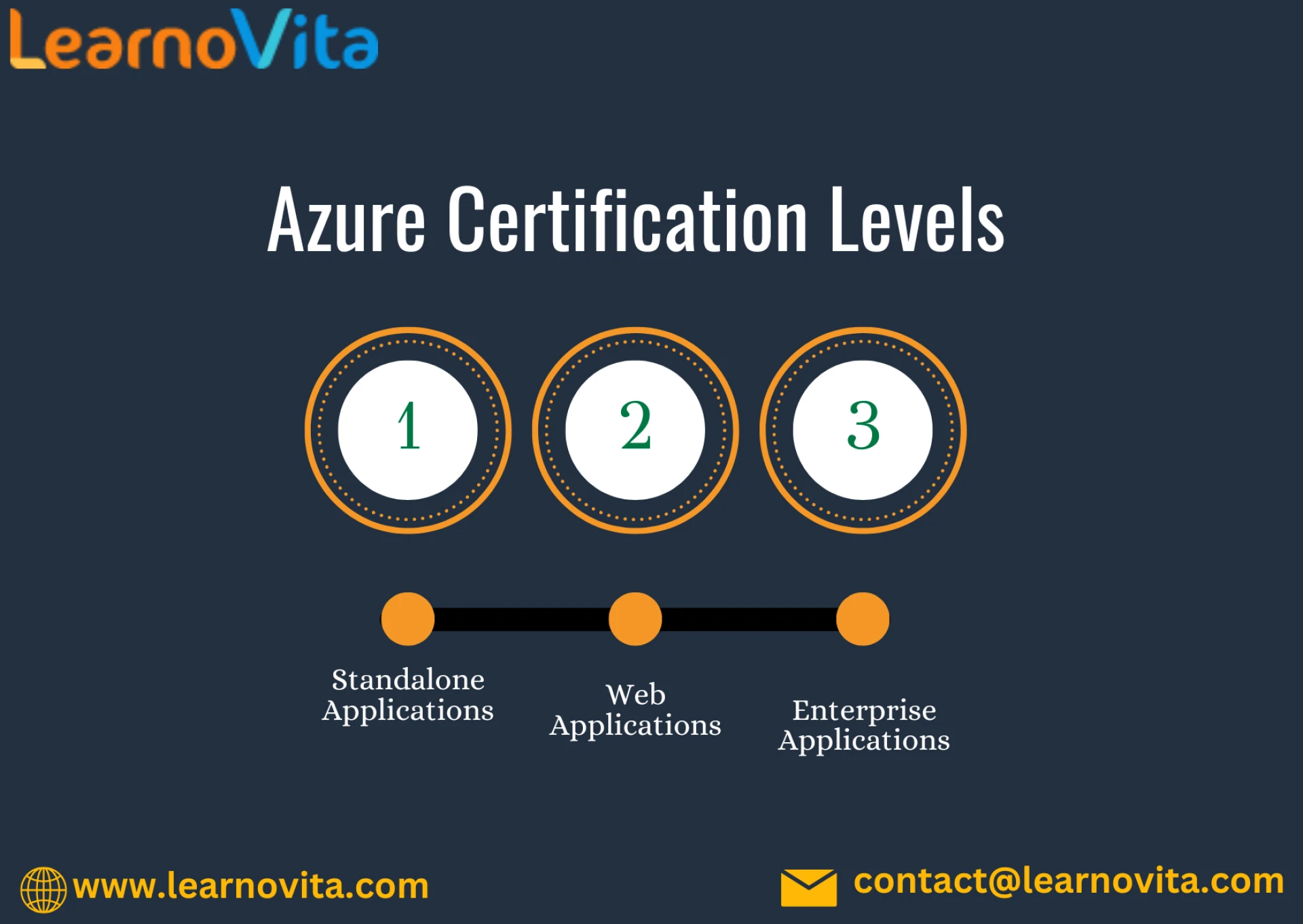
Azure Certification Levels
Microsoft Azure certifications are categorized into three main levels:
- Fundamentals
- Associate
- Expert
1. Fundamentals
These certifications are ideal for beginners or those looking to validate their foundational knowledge of Azure.
- Microsoft Certified: Azure Fundamentals (AZ-900)Target Audience: Beginners, non-technical roles
- Skills Measured: Cloud concepts, Azure services, workloads, security, privacy, compliance, and trust.
2. Associate
These certifications require more in-depth knowledge and are suited for those with some experience in Azure.
- Microsoft Certified: Azure Administrator Associate (AZ-104)
- Target Audience: Azure Administrators
- Skills Measured: Managing Azure subscriptions, resources, identity, and security.
- Microsoft Certified: Azure Developer Associate (AZ-204)
- Target Audience: Developers
- Skills Measured: Developing Azure compute solutions, Azure storage, and security.
- Microsoft Certified: Azure Security Engineer Associate (AZ-500)
- Target Audience: Security Engineers
- Skills Measured: Implementing security controls, maintaining security posture, and managing identity and access.
It’s simpler to master this tool and progress your profession with the help of Best Online Training & Placement programs, which provide thorough instruction and job placement support to anyone seeking to improve their talents.
3. Expert
Expert certifications are designed for advanced professionals who have extensive experience and knowledge in Azure.
- Microsoft Certified: Azure Solutions Architect Expert (AZ-305)
- Target Audience: Solutions Architects
- Skills Measured: Designing solutions that run on Azure, including aspects like compute, network, storage, and security.
- Microsoft Certified: Azure DevOps Engineer Expert (AZ-400)
- Target Audience: DevOps Engineers
- Skills Measured: Combining people, processes, and technologies to continuously deliver valuable products and services.
Specialty Certifications
In addition to the core certifications, Microsoft offers specialty certifications that focus on specific roles or technologies, such as:
- Microsoft Certified: Azure AI Engineer Associate (AI-102)
- Microsoft Certified: Azure Data Scientist Associate (DP-100)
- Microsoft Certified: Azure Data Engineer Associate (DP-203)
Preparing for Certification Exams
- Official Microsoft Learning Paths: Utilize Microsoft’s online learning paths tailored for each certification.
- Hands-on Experience: Gain practical experience by working on Azure projects.
- Practice Tests: Use practice exams to familiarize yourself with the format and types of questions.
Conclusion
Embarking on the Microsoft Azure certification path can significantly enhance your skills and career opportunities. Whether you’re just starting or looking to specialize, there’s a certification for everyone. By following this guide, you’ll be well on your way to achieving your Azure certification goals. Happy learning!






















Sign in to leave a comment.