

Introduction: Turning Legal Dreams into a Judicial Career

The Tamil Nadu Judicial Service Exam stands as one of the most prestigious gateways for aspiring legal professionals who wish to serve as Civil Judges or judicial officers. This exam doesn’t just test your legal expertise — it evaluates your analytical thinking, moral values, and commitment to justice.

For candidates passionate about upholding the rule of law, clearing the TNPSC Civil Judge Exam marks the beginning of an esteemed judicial career in Tamil Nadu’s court system. However, given its competitive nature, strategic preparation, the right guidance, and consistent effort are essential.

Understanding the Tamil Nadu Judicial Service Exam

Exam Stages and Pattern

The Tamil Nadu Judicial Service Exam is conducted in three main stages:
1. Preliminary Examination (Objective Type)
— Tests basic legal principles and general knowledge.
— Covers reasoning, aptitude, and fundamental law subjects.
2. Main Examination (Descriptive Type)
— Focuses on Constitutional Law, Civil Law, Criminal Law, and Current Legal Developments.
— Candidates are expected to write analytical and well-structured answers.
3. Viva-Voce (Interview)
— Assesses your communication skills, ethics, and judicial temperament.
— Questions may include recent legal updates and practical case scenarios.

Eligibility Criteria and Syllabus Overview

To apply for the Tamil Nadu Judicial Service Exam, candidates must:
— Hold a recognized Law Degree (LLB).
— Be within the age limits specified by the TNPSC guidelines.
— Be a citizen of India, preferably domiciled in Tamil Nadu.

Key Areas of the TNPSC Civil Judge Syllabus include:
— Constitutional Law of India
— Civil Procedure Code
— Criminal Procedure Code
— Law of Evidence
— Contract Law & Torts
— Indian Penal Code (IPC)
— Current Legal Developments & Case Laws
— General Knowledge and Aptitude
Crafting the Right Preparation Strategy

Step 1: Build a Strong Foundation
Start with the core law subjects — Civil Law, Criminal Law, and Constitutional Law.

Step 2: Structured Study Plan
Divide the syllabus into manageable weekly or monthly goals.

Step 3: Use Quality Resources
Invest time in the right materials such as Bare Acts, textbooks, and previous year papers.

Step 4: Take Mock Tests
Participate in mock tests and online judiciary classes to build time management and accuracy.

The Role of Coaching and Mentorship

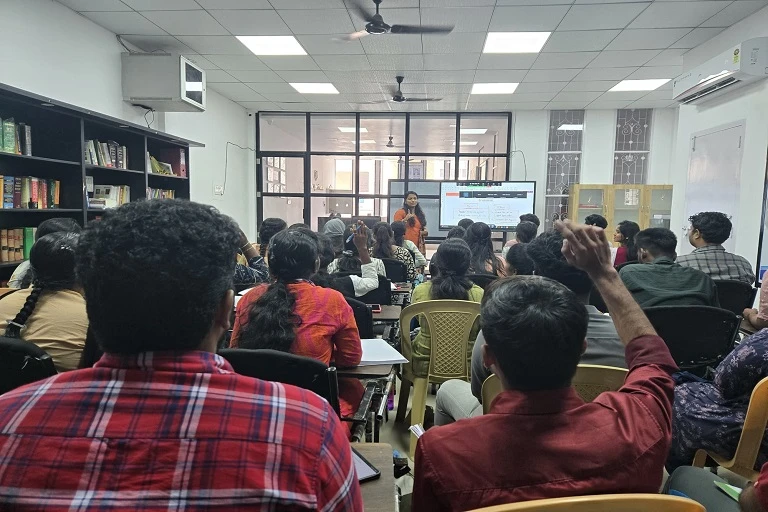
While self-study is important, professional guidance can streamline your preparation. Consider joining a civil judge exam coaching centre in Chennai or best online judiciary coaching.

Preparing for the Interview Round

Enhance communication skills, stay updated with recent legal developments, and participate in mock interviews.

Managing Time and Motivation

Preparing for the judiciary exam is a marathon, not a sprint. Maintain consistency, review progress, and balance study with rest.
Assistant Public Prosecutor Exam — A Parallel Opportunity

The Assistant Public Prosecutor Exam in Tamil Nadu is another significant opportunity for law graduates. The syllabus includes criminal law, procedural law, and evidence.

Top Tips for Aspiring Judicial Officers
1. Start Early
2. Stay Consistent
3. Analyze Papers
4. Join Study Groups
5. Revise Regularly

Why Choose Judiciary as a Career?

A judicial career is more than just a profession — it’s a public service of integrity and fairness. As a judge, you uphold justice, impact lives, and enjoy a respected, stable career.

Conclusion: Your Journey Toward the Bench Begins Now

The Tamil Nadu Judicial Service Exam is a test of perseverance, knowledge, and purpose. With focused effort and proper guidance, you can achieve your goal of becoming a Civil Judge in Tamil Nadu.




























Sign in to leave a comment.