Quality inspection plays a critical role across industries where safety, durability, and compliance cannot be compromised. From infrastructure and manufacturing to energy and transportation, organizations depend on inspection methods that ensure structural integrity without disrupting operations. Modern quality assurance frameworks emphasize precision, reliability, and efficiency—making advanced inspection techniques an essential part of industrial processes.
This article explores how non-invasive inspection methodologies support dependable quality control, improve operational safety, and help industries meet strict regulatory standards while minimizing downtime.
Understanding Non-Destructive Inspection Methods
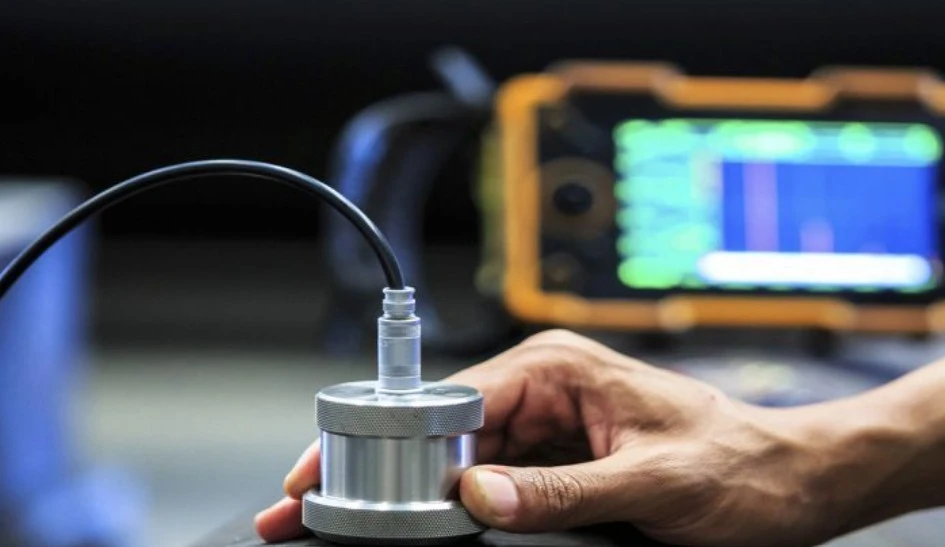
Non-destructive inspection methods are designed to evaluate materials, components, or structures without causing damage. Unlike traditional destructive tests, these approaches allow assets to remain in service after examination. This makes them particularly valuable for high-cost or safety-critical components.
At the core of NDT Testing is the ability to detect internal and surface-level irregularities such as cracks, voids, corrosion, or incomplete fusion. Techniques commonly used include ultrasonic testing, radiographic testing, magnetic particle testing, dye penetrant testing, and visual inspection. Each method serves a specific purpose depending on the material type, thickness, and application environment.
Why Reliability Matters in Quality Inspection
Reliable inspection directly impacts safety, performance, and long-term asset management. Undetected flaws can lead to premature failures, safety hazards, and costly repairs. Consistent inspection processes help industries identify risks early, allowing corrective actions before minor issues escalate into major problems.
Industries such as construction, oil and gas, power generation, and heavy engineering rely on NDT Testing to ensure that critical components meet design specifications and industry standards. Reliable inspections also support quality documentation, which is increasingly important for audits, certifications, and regulatory approvals.
Role of Inspection in Welded Structures
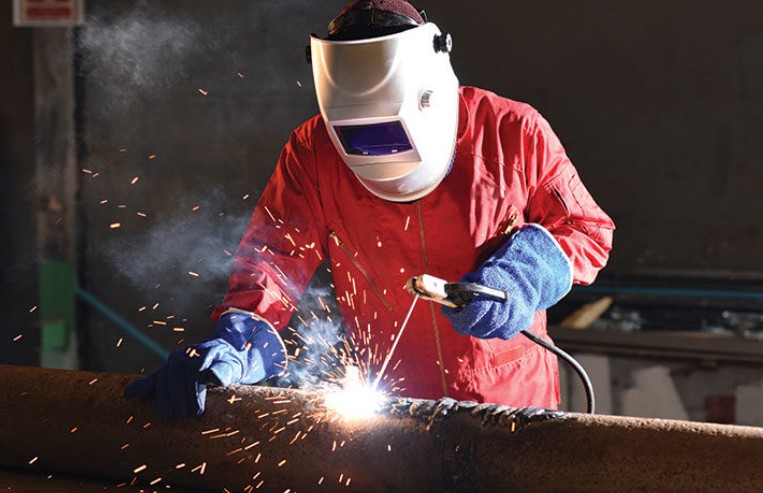
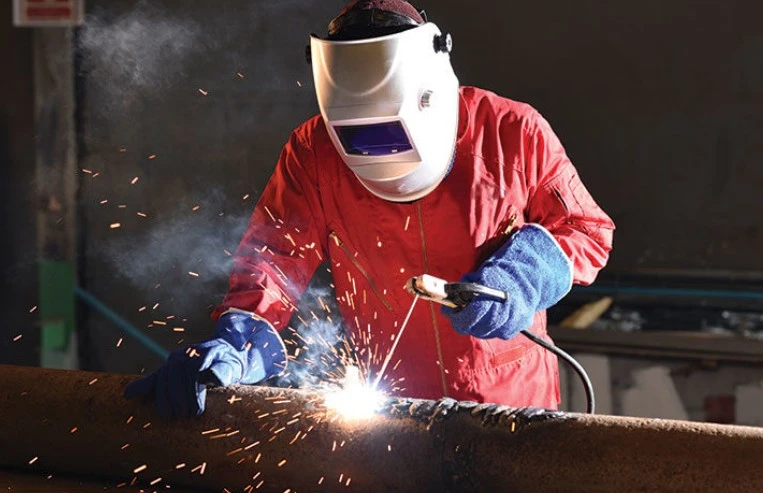
Welded joints are often the most vulnerable points in fabricated structures. Factors such as heat input, operator skill, material compatibility, and environmental conditions can all affect weld quality. Even small discontinuities can compromise structural performance over time.
This is where professional welding inspection services become essential. These services assess weld integrity using appropriate inspection techniques to verify compliance with engineering codes. Inspection may focus on surface appearance, internal soundness, dimensional accuracy, and metallurgical characteristics, depending on the application.
By integrating welding inspection services into routine quality control, organizations can reduce rework, enhance safety margins, and extend the lifespan of fabricated components.
Advantages of Non-Invasive Quality Assessment
One of the primary advantages of NDT Testing is its ability to deliver accurate results without interrupting production or damaging components. This is particularly beneficial in continuous operations where downtime translates directly into financial loss.
Additional benefits include:
- Early detection of defects before failure occurs
- Cost savings through preventive maintenance
- Improved safety for personnel and end users
- Enhanced confidence in product and structural reliability
When combined with qualified welding inspection services, non-invasive testing supports a comprehensive quality assurance strategy that aligns with international standards.
Compliance, Standards, and Industry Acceptance
Inspection practices are governed by well-established standards issued by organizations such as ASME, ISO, ASTM, and AWS. Adhering to these standards ensures consistency, repeatability, and global acceptance of inspection results.
NDT Testing methods are widely recognized within these frameworks, making them suitable for projects that require third-party verification or international compliance. Similarly, certified welding inspection services help demonstrate due diligence and technical competence during audits and project evaluations.
Selecting the Right Inspection Approach
Choosing the appropriate inspection method depends on several factors, including material type, component geometry, service conditions, and regulatory requirements. No single method is universally applicable, which is why inspection planning is a critical step in quality management.
A balanced approach that combines NDT Testing with specialized welding inspection services allows organizations to address both material integrity and fabrication quality. This integrated strategy ensures that inspection outcomes are both technically sound and practically relevant.
Future Trends in Quality Inspection
Advancements in digital imaging, automation, and data analytics are shaping the future of inspection technologies. Emerging tools are improving detection accuracy, reducing human error, and enabling predictive maintenance models.
As industries continue to demand higher safety and quality benchmarks, NDT Testing and professional inspection practices will remain central to risk management and operational excellence. The growing emphasis on sustainability and lifecycle optimization further reinforces the importance of reliable inspection systems.
Conclusion
Effective quality inspection is not just a regulatory requirement—it is a strategic investment in safety, performance, and long-term reliability. By adopting modern inspection methodologies and structured evaluation processes, industries can minimize risks while maintaining operational efficiency. A well-planned inspection framework ultimately supports informed decision-making, protects valuable assets, and ensures confidence in critical structures and components.




















Sign in to leave a comment.