Nerve pain and numbness can make even simple daily activities difficult. When nerves are compressed or trapped, they cannot send signals properly, leading to pain, tingling, weakness, or loss of sensation. Many people dealing with these symptoms eventually seek help from a nerve decompression specialist to find lasting relief. Understanding what nerve decompression is and how treatment options work can help individuals make informed decisions about their care.
Understanding Nerve Compression
Nerves travel through muscles, bones, and soft tissue throughout the body. When these structures place pressure on a nerve, compression occurs. This pressure interferes with nerve signals and blood flow, leading to discomfort and dysfunction.
Nerve compression can develop slowly or appear suddenly. It may result from injury, swelling, repetitive movements, scar tissue, or structural changes in the body. Over time, continued compression can cause nerve damage if not treated.
A nerve decompression specialist focuses on relieving this pressure so the nerve can function properly again.
Common Symptoms of Nerve Compression
Symptoms of nerve compression vary depending on which nerve is affected. However, many people experience similar warning signs, including:
- Tingling or numbness
- Burning or sharp pain
- Weakness in muscles
- Loss of coordination or balance
- Sensitivity to touch
- Pain that worsens with certain movements
These symptoms often prompt individuals to seek care from a nerve decompression specialist, especially when they do not improve with rest or basic treatments.
Conditions Commonly Treated by a Nerve Decompression Specialist
A nerve decompression specialist may help patients with a variety of conditions, including:
- Peripheral neuropathy
- Entrapment neuropathies
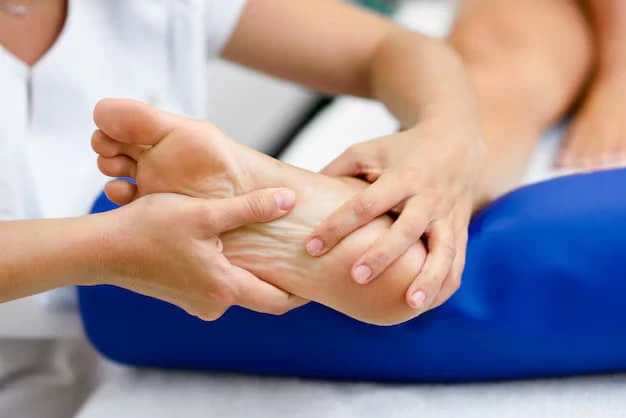
- Chronic foot and leg nerve pain
- Nerve compression related to injury or scar tissue
- Circulation-related nerve dysfunction
By identifying the source of compression, specialists can design targeted treatment plans to relieve pressure and support healing.
What Does a Nerve Decompression Specialist Do?
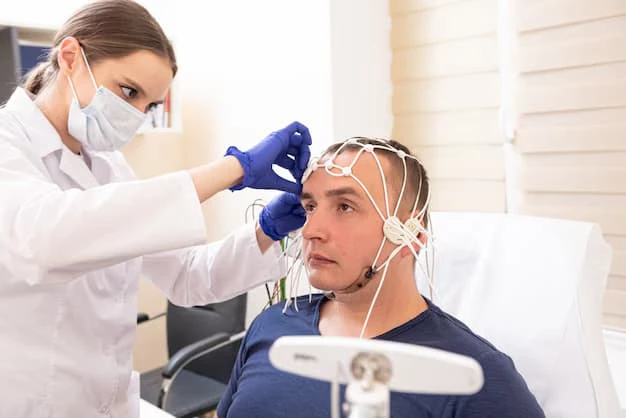
A nerve decompression specialist is trained to evaluate nerve function and identify areas where nerves may be compressed or restricted. The goal is not just to reduce pain but to restore normal nerve function.
At Restorative Limb Center, care begins with a thorough evaluation. This includes reviewing symptoms, medical history, and functional limitations. Understanding how nerve compression affects daily life helps guide treatment decisions.
Treatment Options Used by a Nerve Decompression Specialist
Modern nerve decompression care offers a range of treatment options, many of which are non-invasive. These therapies are designed to relieve pressure on nerves and support long-term recovery.
Non-Invasive Decompression Techniques
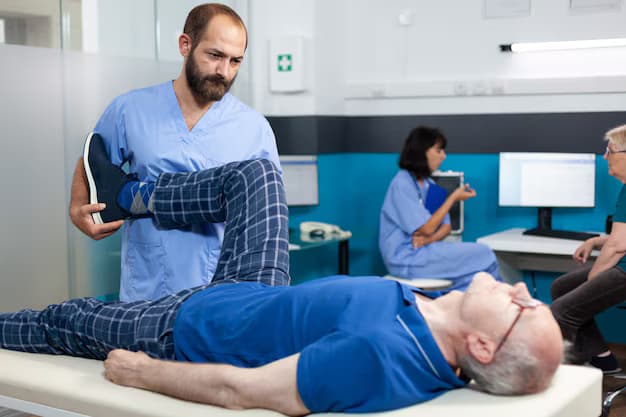
Gentle techniques may be used to reduce pressure around the nerve and improve blood flow. These methods help create space for the nerve to function properly.
Nerve Stimulation Therapy
Controlled stimulation can activate damaged nerves and improve communication between the nerve and the brain.
Circulation-Enhancing Therapies
Improving blood flow ensures that nerves receive oxygen and nutrients needed for healing.
Functional Rehabilitation
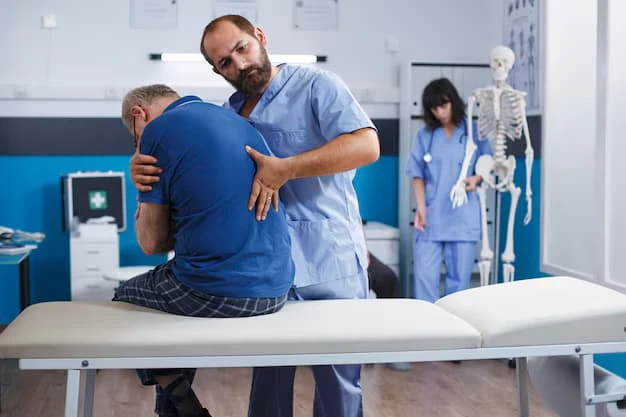
Movement and strengthening exercises help restore coordination and reduce strain on compressed nerves.
Regenerative Support Therapies
Advanced methods may be used to support nerve healing and recovery over time.
A nerve decompression specialist often combines multiple therapies to achieve the best results.
Non-Surgical vs. Surgical Decompression
Many people worry that nerve decompression automatically involves surgery. In reality, non-surgical options are often explored first.
Non-invasive treatments can be effective in relieving mild to moderate nerve compression. Surgery may be considered only when conservative care does not provide sufficient relief or when severe compression threatens permanent nerve damage.
Restorative Limb Center emphasizes non-invasive solutions whenever possible, helping patients avoid unnecessary procedures.
The Importance of Personalized Care
Every case of nerve compression is unique. Factors such as age, activity level, overall health, and the severity of compression all influence treatment outcomes.
A nerve decompression specialist creates a personalized plan based on these factors. This tailored approach increases the likelihood of meaningful improvement and long-term success.
How Long Does Recovery Take?
Recovery time varies depending on the severity of nerve compression and how long it has been present. Some patients notice improvement within weeks, while others may require longer care.
Early treatment often leads to faster and more complete recovery. This is why recognizing symptoms and seeking care promptly is so important.
Daily Habits That Support Nerve Decompression
In addition to professional care, daily habits can help reduce nerve compression and support healing. Helpful practices include:
- Maintaining good posture
- Wearing supportive footwear
- Avoiding repetitive movements that strain nerves
- Staying active with gentle exercise
- Managing underlying health conditions
These habits can complement care provided by a nerve decompression specialist.
What to Expect During Treatment
Treatment sessions are typically comfortable and focused on gradual improvement. Patients are often encouraged to communicate openly about their symptoms and progress.
At Restorative Limb Center, education is an important part of care. Patients learn about their condition and how to protect their nerves during daily activities.
How Restorative Limb Center Supports Nerve Decompression
Restorative Limb Center is dedicated to helping patients find relief from nerve compression and related pain. The center’s approach focuses on identifying the source of nerve pressure and using advanced therapies to relieve it.
By combining specialized techniques with compassionate care, Restorative Limb Center helps patients restore nerve function, reduce discomfort, and regain confidence in movement.
Benefits of Seeing a Nerve Decompression Specialist
Working with a nerve decompression specialist offers several advantages, including:
- Accurate diagnosis of nerve compression
- Access to advanced, non-invasive therapies
- Personalized treatment plans
- Focus on long-term nerve health
- Improved quality of life
These benefits make specialized care an important option for individuals dealing with persistent nerve pain.
Final Thoughts
Nerve compression can significantly impact daily life, but effective treatment options are available. A skilled nerve decompression specialist can help identify the cause of nerve pressure and provide targeted care that supports healing and recovery.
For those seeking expert care, Restorative Limb Center offers advanced, patient-focused solutions designed to relieve nerve compression and restore function. With the right approach and early intervention, many individuals can experience lasting relief and return to a more comfortable, active lifestyle.

























Sign in to leave a comment.