
In today’s interconnected world, the importance of robust network management cannot be overstated. With businesses, governments, and individuals relying on digital communication and services, managing the underlying network infrastructure effectively ensures smooth operations and security. Central to this infrastructure are network switches, which play a pivotal role in enabling seamless data flow across devices and systems.
Understanding Network Management
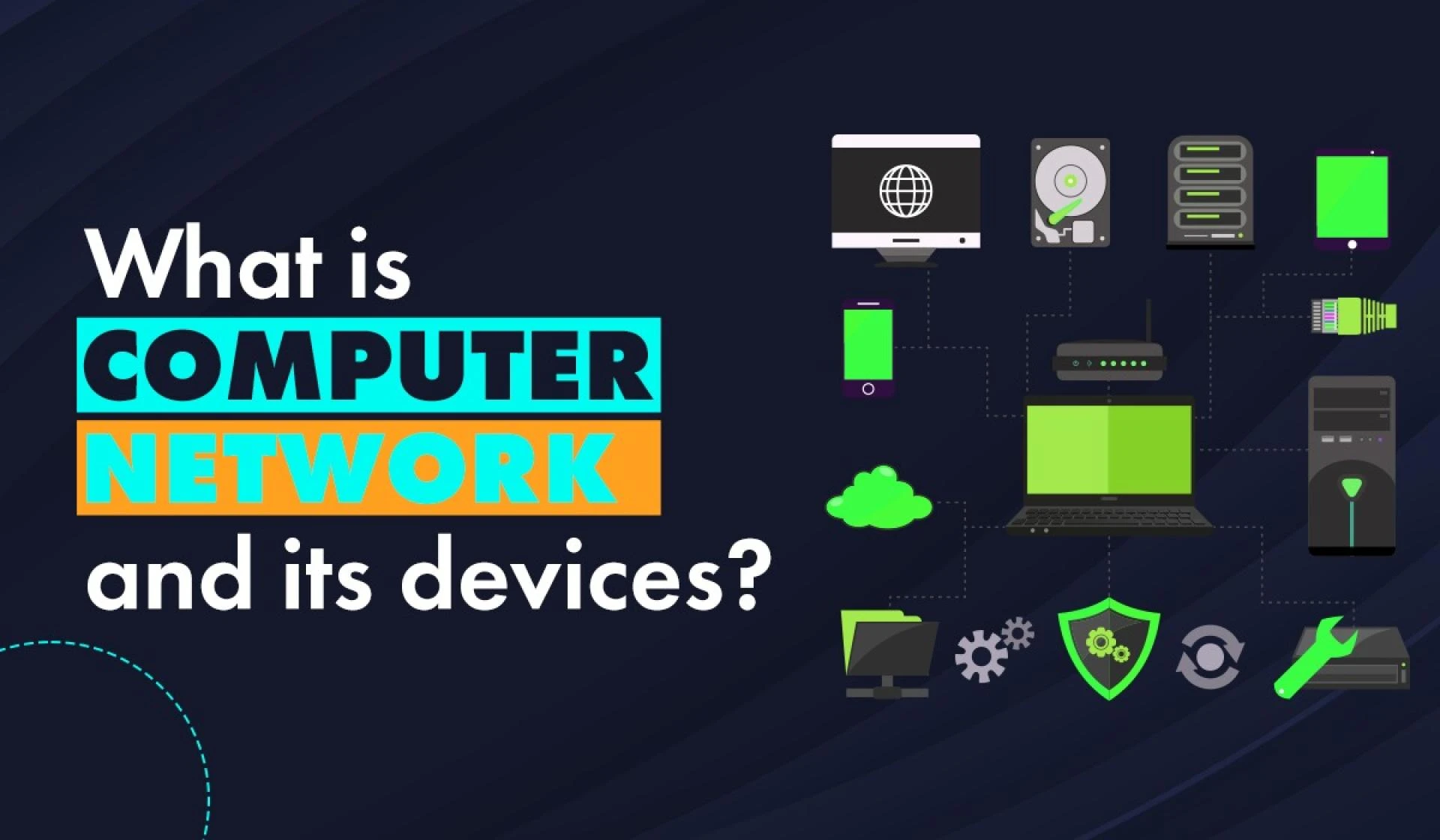
Network management involves monitoring, controlling, and maintaining a network to ensure its optimal performance. This encompasses various activities, including the configuration of network devices, troubleshooting issues, monitoring traffic, and ensuring security. Effective network management ensures uninterrupted service delivery, minimizes downtime, and optimizes resource utilization.
Key Components of Network Management
- Network Monitoring: This involves continuously observing network devices and traffic to identify and address issues proactively. Tools like Simple Network Management Protocol (SNMP) and network analyzers are commonly used.
- Configuration Management: Ensuring that all devices in the network are configured correctly and uniformly. This includes setting up IP addresses, VLANs, and routing protocols.
- Fault Management: Identifying, isolating, and resolving network issues to maintain service continuity. Automation tools often play a critical role in detecting and addressing faults quickly.
- Performance Management: Measuring and analyzing network performance metrics, such as bandwidth utilization, latency, and packet loss, to optimize operations.
- Security Management: Protecting the network from unauthorized access, data breaches, and cyberattacks through firewalls, encryption, and access control mechanisms.
The Role of Network Switches in Networking
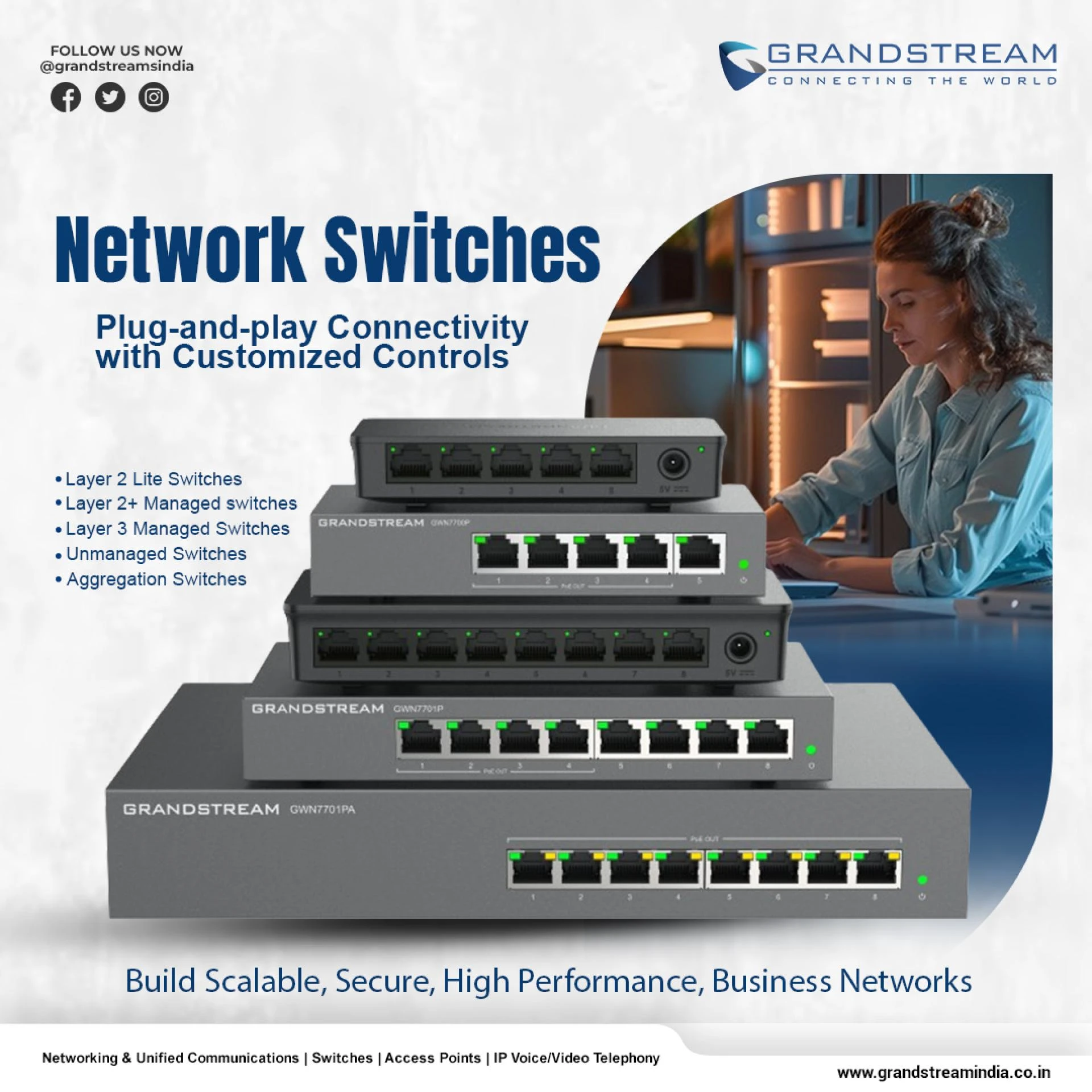
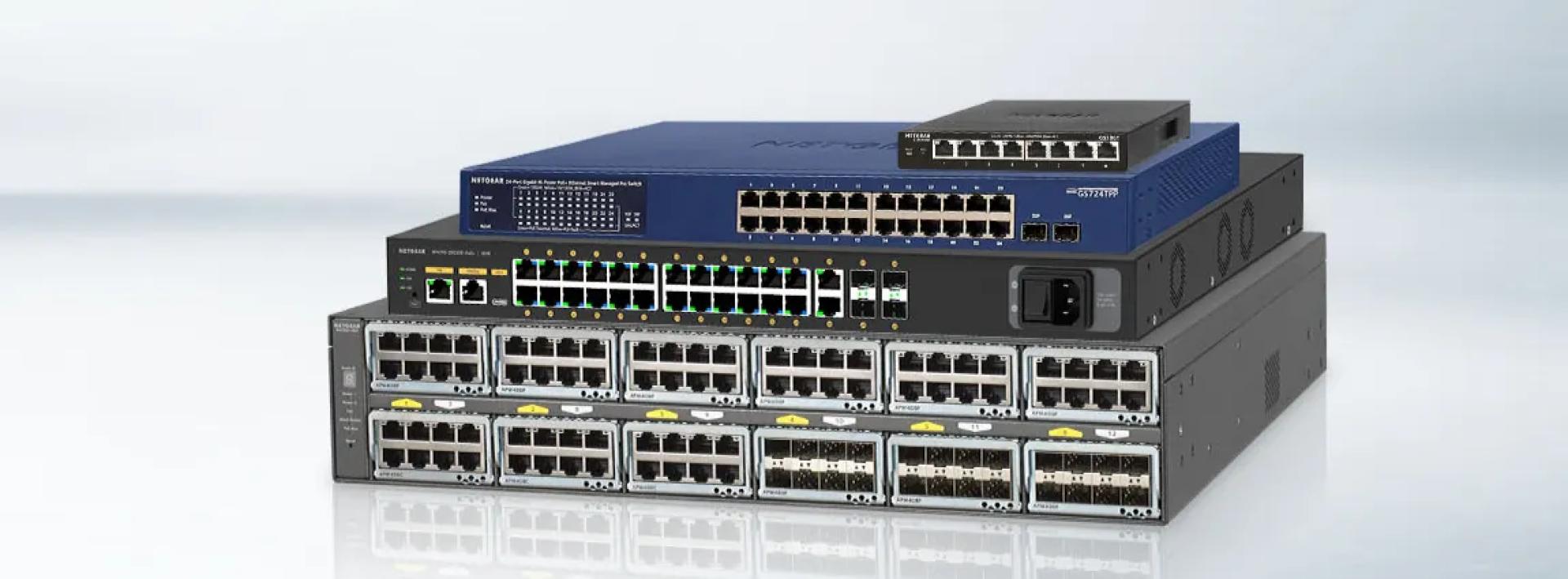
WiFi Networking Solutions are integral to the infrastructure, acting as intermediaries that facilitate communication between devices within a local area network (LAN). Unlike hubs, which broadcast data to all connected devices, switches intelligently direct data packets to their intended destinations, enhancing efficiency and security.
Types of Network Switches
- Unmanaged Switches: Basic switches that operate without configuration. They are ideal for small networks or home use where minimal management is needed.
- Managed Switches: These provide advanced features, such as VLAN support, traffic prioritization, and remote management capabilities. They are suitable for enterprise environments where control and scalability are critical.
- Layer 2 Switches: Operate at the data link layer, using MAC addresses to forward data within the same network.
- Layer 3 Switches: Combine switching and routing capabilities, enabling inter-network communication using IP addresses.
- PoE Switches (Power over Ethernet): These switches supply power to connected devices, such as IP cameras and wireless access points, over the same cable used for data transmission.
Key Features and Capabilities of Network Switches
- High-Speed Data Transfer: Modern switches support Gigabit Ethernet and even 10/40/100 Gigabit Ethernet for high-speed data transfer, catering to the growing demand for bandwidth-intensive applications.
- Scalability: Switches can support multiple ports, allowing networks to expand seamlessly as more devices are added.
- VLAN Support: Virtual LANs allow segmentation of a network for better management, security, and efficiency.
- QoS (Quality of Service): Prioritizes traffic to ensure critical applications, such as voice and video, receive the required bandwidth.
- Redundancy: Features like Spanning Tree Protocol (STP) prevent network loops and ensure failover paths for uninterrupted communication.
- Security Features: Managed switches include features like Access Control Lists (ACLs), port security, and 802.1X authentication to safeguard the network.
Network Management Techniques for Switches
Configuration and Deployment
- Initial Setup: Properly configuring a switch is crucial. This includes assigning management IP addresses, setting up VLANs, and configuring port settings.
- Firmware Updates: Regularly updating the switch’s firmware ensures it is equipped with the latest features and security patches.
Monitoring and Troubleshooting
- Traffic Analysis: Tools like Wireshark and SolarWinds can help monitor traffic patterns and identify bottlenecks or unusual activity.
- Port Status Monitoring: Checking the status of individual ports can reveal issues such as excessive collisions, errors, or disconnections.
Security Practices
- Enabling Port Security: Restricting access to specific MAC addresses prevents unauthorized devices from connecting to the network.
- Implementing VLANs: Segmenting the network limits the spread of potential threats and enhances security.
- Using ACLs: Defining rules to control traffic flow and access to resources within the network.
Challenges in Network Management
Despite advancements in technology, network management presents several challenges:
- Complexity: Modern networks are increasingly complex, with a mix of wired and wireless devices, virtualized environments, and cloud-based resources.
- Scalability: As organizations grow, their networks must scale while maintaining performance and security.
- Cybersecurity Threats: Constantly evolving threats require robust security measures and proactive monitoring.
- Downtime Impact: Even minor disruptions can have significant consequences, emphasizing the need for reliable network management practices.
Future Trends in Network Management and Switches
- Software-Defined Networking (SDN): SDN decouples the control plane from the data plane, allowing centralized management and greater network agility.
- Automation and AI: Automated tools and AI-driven analytics enable predictive maintenance, rapid fault resolution, and optimized resource allocation.
- Edge Computing: As edge devices proliferate, switches will need to handle increased data processing at the network’s edge.
- IoT Integration: The rise of IoT devices will drive demand for switches with higher port density, PoE support, and enhanced security features.
- Green Networking: Energy-efficient switches and practices are becoming essential as organizations aim to reduce their carbon footprint.
Grandstream: A Trusted Name in Network Switches
Grandstream has established itself as a leading provider of networking solutions, including high-performance switches tailored for modern businesses. With features like advanced VLAN support, PoE capabilities, and intuitive management interfaces, Grandstream switches cater to diverse networking needs. Their robust security protocols and scalability make them an excellent choice for organizations looking to optimize their network infrastructure. By integrating Grandstream’s solutions, businesses can enhance connectivity, streamline operations, and ensure a secure and efficient network environment.
Conclusion
Network management and switches are the backbone of modern digital infrastructure. Effective management practices, combined with advanced switch capabilities, ensure networks remain reliable, secure, and scalable. As technology evolves, embracing innovations like SDN, AI, and edge computing will be pivotal in meeting the demands of tomorrow’s interconnected world. Organizations that prioritize robust network management will be better positioned to thrive in an increasingly digital landscape.






Sign in to leave a comment.