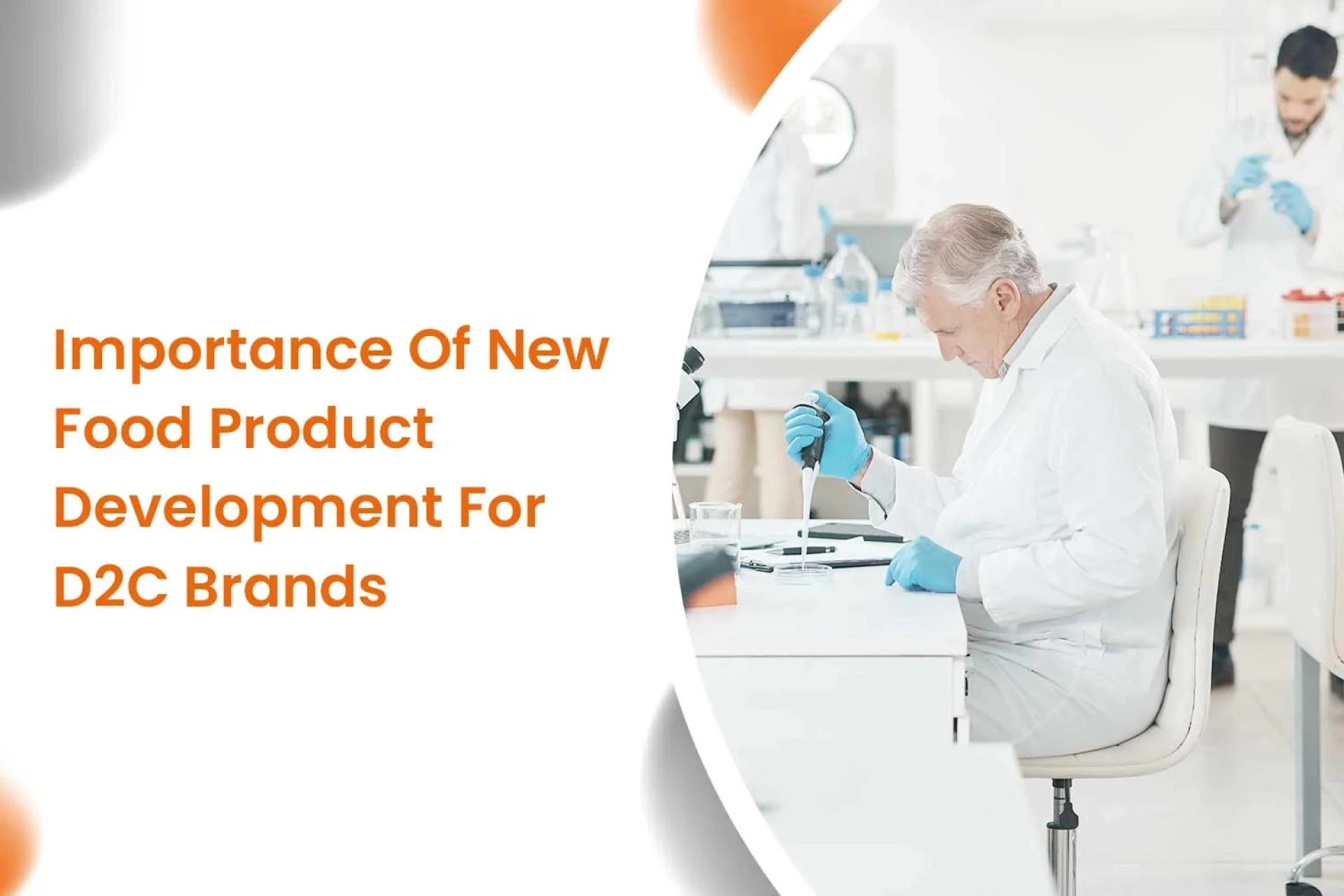
In today's competitive food industry, new food product development for D2C (Direct-to-Consumer) brands is more than just launching something new—it's about creating an experience. With changing customer preferences, demand for clean-label products, and expectations for fast delivery, D2C food brands must think smart, act fast, and innovate with purpose.
This guide walks you through the importance, process, and smart strategies of food product development for D2C brands—in simple, easy-to-understand language.
Why Is New Food Product Development Important for D2C Brands?
The food industry is booming—but so is the competition. For D2C brands, standing out means offering products that are not only delicious but also healthy, sustainable, and convenient. Here's why new product development is crucial:
- Full Control: No dependency on retail stores means you control pricing, marketing, and customer experience.
- Faster Launch Cycles: You can test and iterate much faster than traditional brands.
- Direct Customer Feedback: Helps in rapid improvement and innovation.
- Easy Personalization: Cater to niche demands and build loyal customer communities.
Key Steps in New Food Product Development for D2C Brands
Product development sounds exciting—but it needs a roadmap. Here's how to navigate it step-by-step.
1. Market Research
Before you create anything, study:
- Current trends (plant-based, low-sugar, high-protein, etc.)
- Competitor products
- Customer reviews and pain points
2. Product Ideation
This is the fun, creative part. Are you launching:
- Healthy snacks?
- Functional drinks?
- Vegan meals or supplements?
Ensure your product idea is:
- Unique
- Nutritious
- Easy to manufacture
- In sync with your target audience
3. Lab Trials and Recipe Testing
Now it’s time to test your product in small batches. Focus on:
- Taste and texture
- Nutrition profile
- Shelf life
- Food safety standards
4. Packaging and Branding
Your packaging is your product’s first impression—especially online.
Make sure it’s
- Eye-catching
- Eco-friendly
- Clear in communication
- Suitable for shipping
5. Nutrition Label and Legal Compliance
Transparency builds trust. Ensure you follow FSSAI (or your country’s authority) and clearly display:
- Ingredients
- Allergens
- Nutritional values
- Storage instructions
Scaling Up for Launch
Once your product is tested and finalized, scale up smartly. Choose:
- Reliable and scalable manufacturing partners
- Efficient logistics solutions
- Consistent quality control systems
Marketing Strategy for D2C Food Products
A great product needs great storytelling. Try these strategies:
- Social media (recipe reels, unboxings, customer testimonials)
- Influencer partnerships
- Email newsletters and drip campaigns
- Free sampling via website or events
- SEO blogging for organic reach
Customer Feedback and Iteration
After launch, keep listening. Use:
- Product reviews
- Email feedback
- Polls on social media
D2C gives you a golden opportunity to co-create with your community.
Common Mistakes to Avoid
Even good ideas can fail if the basics are ignored. Watch out for:
- Launching too fast without testing
- Overlooking shelf-life issues
- Choosing bad packaging
- Misjudging marketing costs
- Ignoring legal/food safety guidelines
Avoid these, and you’re already ahead of 90% of D2C food startups.
Conclusion
New food product development for D2C brands is an exciting mix of challenges and opportunities. It gives you the power to connect directly with your audience, test new ideas quickly, and grow a brand on your own terms—without depending on traditional retail channels.
Whether you're planning to launch a healthy snack, a vegan shake, or a ready-to-eat meal, just remember: every successful brand started with one simple, well-executed idea.
Got a food idea you’re ready to bring to life? Contact us here, and let’s turn that idea into a product your customers will love.

























Sign in to leave a comment.