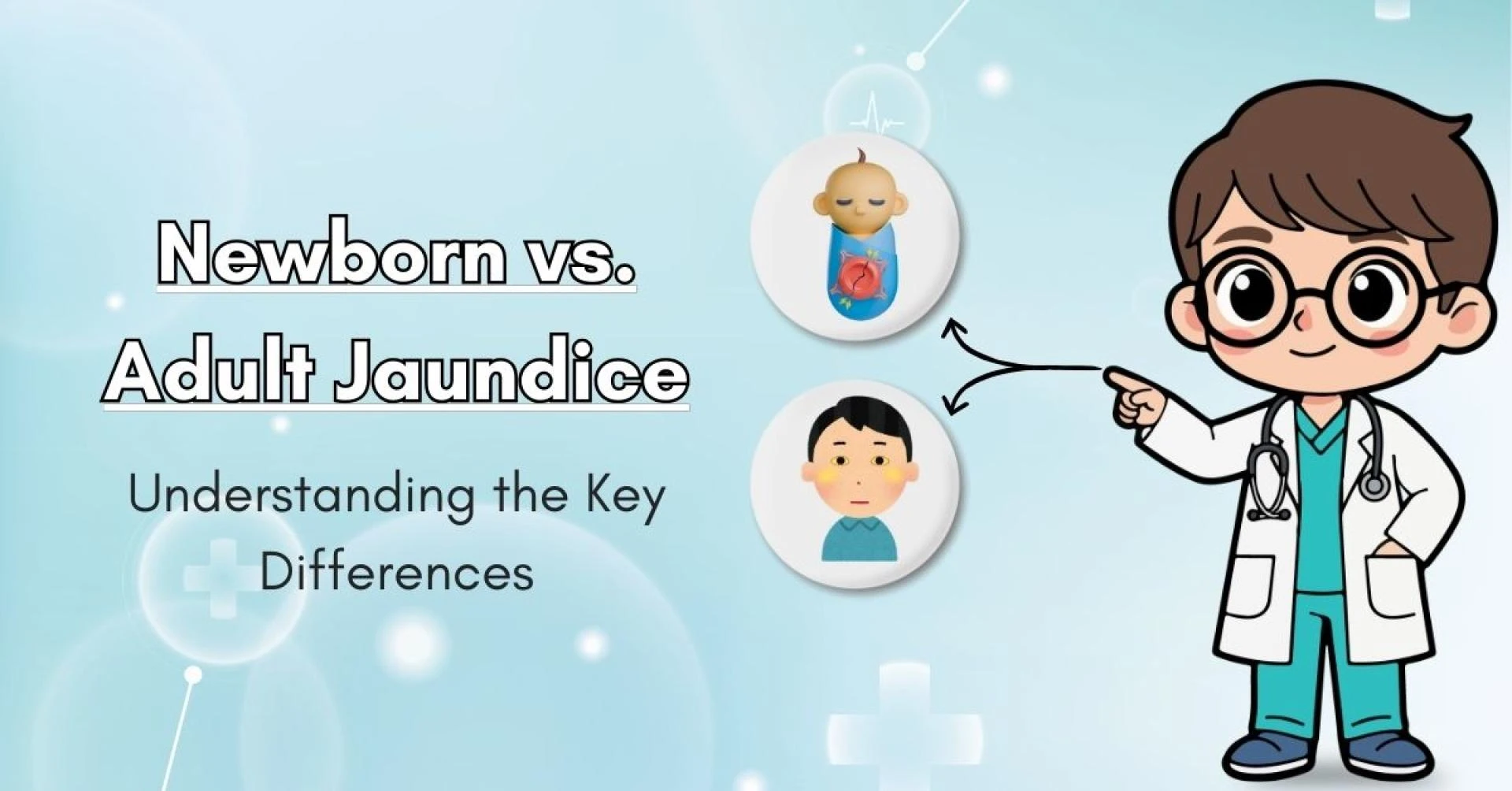

Jaundice can look alarming at any age. That yellowish tint to the skin or eyes naturally raises concern, especially when it appears in a newborn or develops suddenly in adulthood. While jaundice is common in infants and often temporary, jaundice in adults can signal an underlying digestive or liver condition that requires careful evaluation.
For local, health-conscious adults who want expert, compassionate care close to home, understanding the difference between newborn jaundice and adult jaundice is essential. Knowing when it’s harmless and when it’s a warning sign can make all the difference.
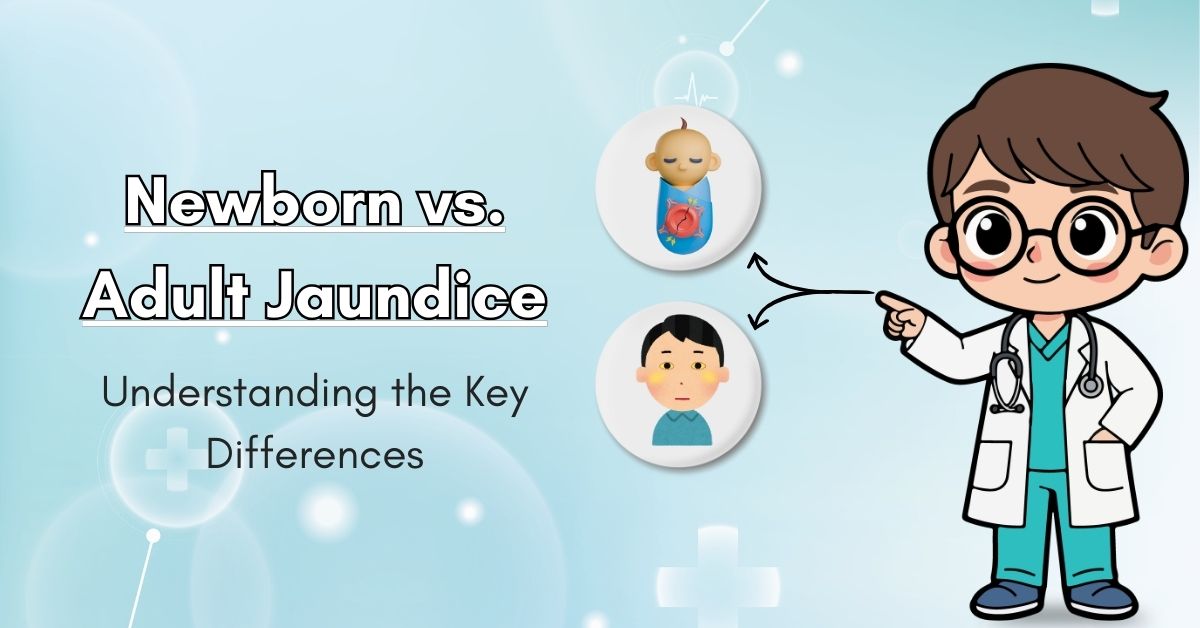
What Is Jaundice?
Jaundice occurs when there is a buildup of bilirubin in the bloodstream. Bilirubin is a yellow pigment produced when red blood cells break down. Normally, the liver processes bilirubin and removes it from the body through bile. When this process is disrupted, bilirubin accumulates, leading to yellowing of the skin and the whites of the eyes.
Although the visual symptom is similar in both newborns and adults, the causes, risks, and treatments can differ significantly.
Newborn Jaundice: Why It’s So Common
Newborn jaundice is extremely common, especially within the first week of life. In fact, many healthy babies develop mild jaundice shortly after birth.
Why Does It Happen?
A newborn’s liver is still developing. During the first few days of life, the liver may not process bilirubin efficiently. Additionally, babies are born with a higher number of red blood cells, which break down rapidly after birth, increasing bilirubin levels.
This type of jaundice is often called physiological jaundice, and it usually resolves on its own as the baby’s liver matures.
When Is Newborn Jaundice Concerning?
Although most cases are mild, high bilirubin levels can become dangerous if untreated. Severe neonatal jaundice may lead to complications affecting the brain, a condition known as kernicterus.
Doctors monitor newborn bilirubin levels closely. Treatment may include:
- Phototherapy (light therapy)
- Increased feeding to promote elimination
- In rare cases, a blood transfusion
In most cases, newborn jaundice is temporary and resolves within one to two weeks.
Adult Jaundice: A Different Story
Unlike newborn jaundice, adult jaundice is not considered normal. When jaundice appears in adults, it often indicates an underlying liver, gallbladder, or pancreatic issue.
Common causes of adult jaundice include:
- Liver disease (such as hepatitis or fatty liver disease)
- Gallstones are blocking the bile ducts
- Alcohol-related liver damage
- Cirrhosis
- Pancreatic disorders
- Certain medications
In adults, jaundice is a symptom, not a condition itself. Identifying the root cause is critical.
How the Liver Plays a Central Role
In both newborns and adults, the liver is central to the development of jaundice. However, in adults, liver dysfunction is often the primary issue rather than temporary immaturity.
When liver cells are inflamed, scarred, or obstructed, they cannot effectively process bilirubin. This leads to visible jaundice and may also cause additional symptoms, including:
- Dark urine
- Pale stools
- Abdominal pain
- Fatigue
- Nausea
- Itching
For adults experiencing these symptoms, prompt evaluation is essential.
Key Differences Between Newborn and Adult Jaundice
1. Cause
Newborn jaundice is usually due to an immature liver and temporary bilirubin buildup.
Adult jaundice is typically linked to liver disease, bile duct obstruction, or other digestive system disorders.
2. Severity
Most newborn cases are mild and self-limiting.
Adult jaundice often signals a more serious underlying health issue.
3. Treatment Approach
Newborn jaundice often requires light therapy and monitoring.
Adult jaundice requires diagnostic testing to determine the underlying cause and appropriate treatment.
4. Long-Term Impact
In infants, jaundice usually resolves without lasting effects.
In adults, untreated liver disease can progress to liver fibrosis, cirrhosis, or liver failure.
When Adults Should Seek Immediate Care
For adults, jaundice should never be ignored. If you notice yellowing of the skin or eyes along with digestive discomfort or fatigue, it’s time to seek medical evaluation.
Diagnostic testing may include:
- Liver function blood tests
- Ultrasound imaging
- CT scans
- MRI
- Endoscopic procedures
Identifying the cause early allows for more effective treatment and reduces the risk of complications.
If you are searching for guidance from specialists experienced in diagnosing and managing liver-related conditions, exploring comprehensive digestive evaluations through <a href="https://cvgastro.com">expert gastroenterology care and liver disease assessment</a> can help you understand the next steps in your care journey.
Understanding Related Liver Conditions
Adult jaundice is often associated with broader gastrointestinal and liver concerns. These may include:
- Nonalcoholic fatty liver disease
- Alcohol-related liver disease
- Viral hepatitis
- Gallbladder disorders
- Bile duct obstruction
Because the liver supports so many essential body functions, early detection and intervention are crucial for long-term health.
Prevention and Proactive Liver Health
While newborn jaundice cannot always be prevented, adult liver-related jaundice often connects to modifiable risk factors.
Health-conscious adults can protect their liver by:
- Maintaining a healthy weight
- Managing diabetes and cholesterol
- Limiting alcohol consumption
- Eating a balanced, nutrient-rich diet
- Exercising regularly
- Scheduling routine health screenings
Preventive care plays a powerful role in reducing the risk of liver disease progression.
Compassionate, Local Care Matters
When dealing with uncomfortable or potentially high-risk GI issues like jaundice, having access to local, expert care provides peace of mind. Digestive symptoms can feel unsettling, and navigating liver-related concerns alone can be overwhelming.
Specialists trained in gastroenterology understand how to interpret subtle changes in liver function, identify bile duct problems, and determine whether symptoms are linked to fatty liver, hepatitis, or other digestive disorders.
Although newborn and adult jaundice may look similar, their causes and implications are very different. Newborn jaundice is often temporary and related to normal developmental changes. Adult jaundice, however, usually signals an underlying digestive or liver condition that requires professional evaluation.
If you notice persistent yellowing of the skin or eyes, changes in urine or stool color, or unexplained fatigue, do not delay seeking care. Early diagnosis leads to better outcomes and greater treatment options.
For those in the local community seeking experienced, compassionate digestive health specialists, Citrus Valley Gastroenterology offers comprehensive evaluation and personalized treatment plans for liver disease, bile duct disorders, and other gastrointestinal concerns. Prioritizing your liver health today can prevent serious complications tomorrow — and having trusted experts close to home makes that decision easier.




























Sign in to leave a comment.