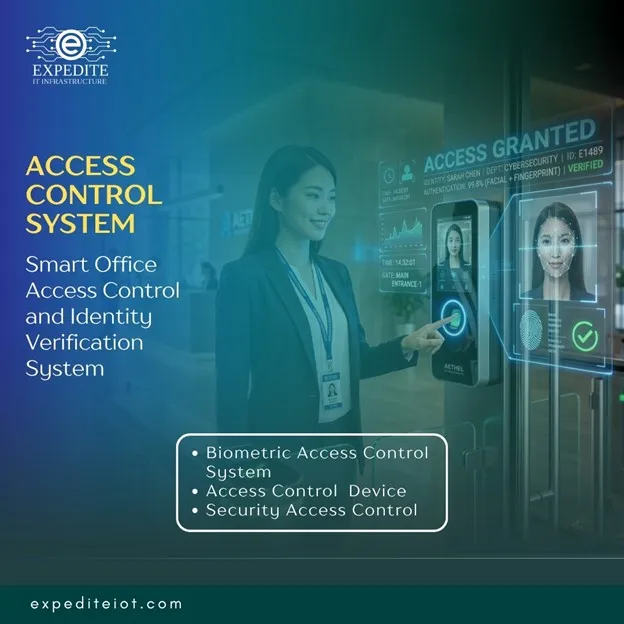

Government ministries, corporate headquarters, and industrial sites across Saudi Arabia are replacing keyed locks and shared PIN codes with hardware that verifies exactly who is entering a building and logs every attempt. An Access Control System now sits at the center of that shift, governing doors, gates, and restricted floors from a single managed platform rather than a collection of standalone locks. Organizations evaluating an upgrade can review Expedite IoT's access control solutions for the Kingdom to see how credential type, door hardware, and reporting are matched to different facility types across Saudi Arabia.
Why Saudi Organizations Are Upgrading Entry Security
Regulatory pressure is a major driver behind this shift. The National Cybersecurity Authority (NCA) and the Saudi Data and Artificial Intelligence Authority (SDAIA) have pushed organizations handling sensitive operations to treat networked entry systems as part of their broader cybersecurity posture rather than a standalone facilities concern, while Vision 2030's push toward giga-projects and smart city infrastructure has raised baseline expectations for what a modern building's security stack should include. The Saudi Standards, Metrology and Quality Organization (SASO) has also influenced hardware procurement, with many tenders now specifying certified equipment over generic imported locks.
From Standard to Advanced Protection
Layered Security for Complex Facilities
An Advanced Access Control System extends beyond a single door reader to coordinate zone-based permissions, time-restricted schedules, and anti-passback logic across an entire campus, letting a facility manager grant a contractor access to a loading dock without ever opening a path to executive floors or server rooms.
Meeting Documented Security Obligations
Security Access Control has become less of an optional upgrade and more of a documented obligation at sites regulated under Saudi Civil Defense codes and the Saudi Building Code (SBC), both of which increasingly expect logged, auditable entry records rather than a guard's verbal confirmation.
Verifying Identity at the Door
Closing the Gap Cards Leave Open
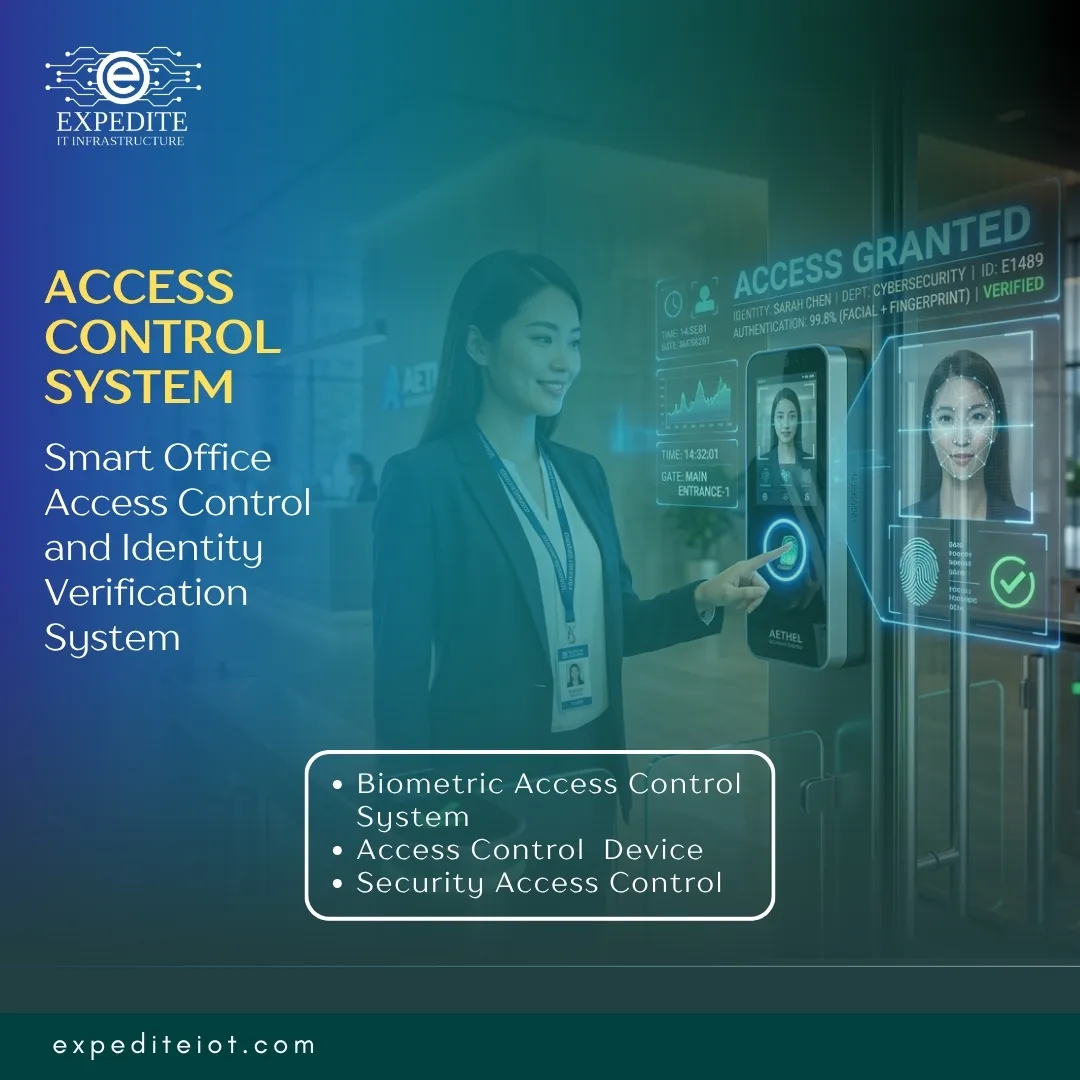
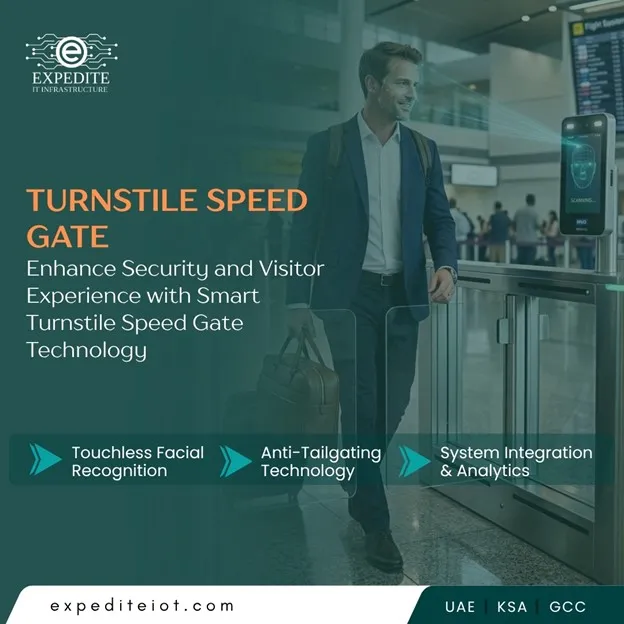
A Biometric Access Control System using fingerprint, face, or palm recognition from vendors such as HID Global, Suprema, and ZKTeco removes the risk that a lost, shared, or cloned card creates, since the credential being checked is the person themselves rather than an object they're carrying.
The Hardware Behind Every Entry Point
Door Access Control hardware, from electric strikes to magnetic locks and reader panels, forms the physical layer beneath every credential decision, and choosing the right mechanism for a given door, fire-rated, glass, or high-traffic, matters as much as the software managing it. Facilities can review Expedite IoT's door hardware and reader options before specifying a multi-door rollout.
Choosing the Right Hardware and Platform
Every deployment starts with selecting the right Access Control Device for each door type, whether that's a standalone keypad for a low-traffic storage room or a networked reader tied into a building-wide platform for a main entrance. Matching device capability to door risk avoids both overspending on simple doors and underspending on points that actually need tighter control.
From there, complete Access Control Solutions bring hardware, software, and credential management together into one system administrators can manage from a single dashboard, rather than juggling separate tools for cards, biometrics, and visitor access.
Compliance, Standards, and Proven KSA Deployment Experience
Expedite IoT engineers every Access Control System KSA installation against recognized benchmarks rather than generic hardware specifications. Manufacturing and integration processes follow ISO 9001 quality management practices, while networked credential data handling aligns with ISO 27001 principles and Saudi Arabia's Personal Data Protection Law (PDPL) for sites where access logs intersect with personal information. Installations at regulated facilities reference the NCA's Essential Cybersecurity Controls for networked security devices, and engineers hold direct product certifications from HID Global, Suprema, and Genetec, backed by completed projects across government buildings, industrial sites, and corporate campuses throughout the Kingdom. Organizations ready to scope a project can request a site security assessment to receive a configuration matched to facility size and risk classification.
Deployment Across Saudi Arabia's Major Cities
Access Control System Riyadh
Riyadh's concentration of government ministries, corporate headquarters, and giga-project offices tied to Vision 2030 drives demand for installations that satisfy NCA cybersecurity expectations alongside the scale typical of multi-tower business districts.
Access Control System Jeddah
In Jeddah, port-adjacent logistics facilities, King Abdullah Economic City (KAEC) tenants, and hospitality groups along the Red Sea coast increasingly specify systems that balance high visitor turnover with strict zone-based permissions for staff-only areas.
Access Control System Dammam
Dammam and the wider Eastern Province, home to industrial operations tied to the Royal Commission for Jubail and Yanbu and the region's oil and gas sector, favour heavier-duty access control hardware suited to continuous shift-based workforce movement and strict contractor management requirements.
Conclusion
Keyed locks and shared PIN codes can't produce the audit trail that regulators, insurers, and internal security teams increasingly expect from Saudi facilities, which is why access control has moved from a convenience feature to a documented compliance requirement. The right configuration depends on facility risk, visitor volume, and integration needs with existing building systems as much as budget, and getting that match right avoids both unnecessary cost and exposed entry points. Expedite IoT continues to deploy and support these systems across government buildings, industrial sites, and corporate campuses throughout Saudi Arabia, scaling each installation to the facility's specific risk profile.
FAQs
How long does a typical access control installation take?
Single-door installations are often completed within a day, while multi-building rollouts with networked credentials and biometric enrollment typically take one to three weeks depending on door count.
Can biometric and card-based access work together in one system?
Yes, most platforms support mixed credential types, so a facility can require biometric verification at high-risk doors while keeping card access at lower-risk entry points.
What happens to access control during a power outage?
Fail-safe or fail-secure configurations are specified per door based on fire egress requirements, with battery backup keeping the system operational long enough to manage a controlled shutdown.
Can the system integrate with existing CCTV or visitor management platforms?
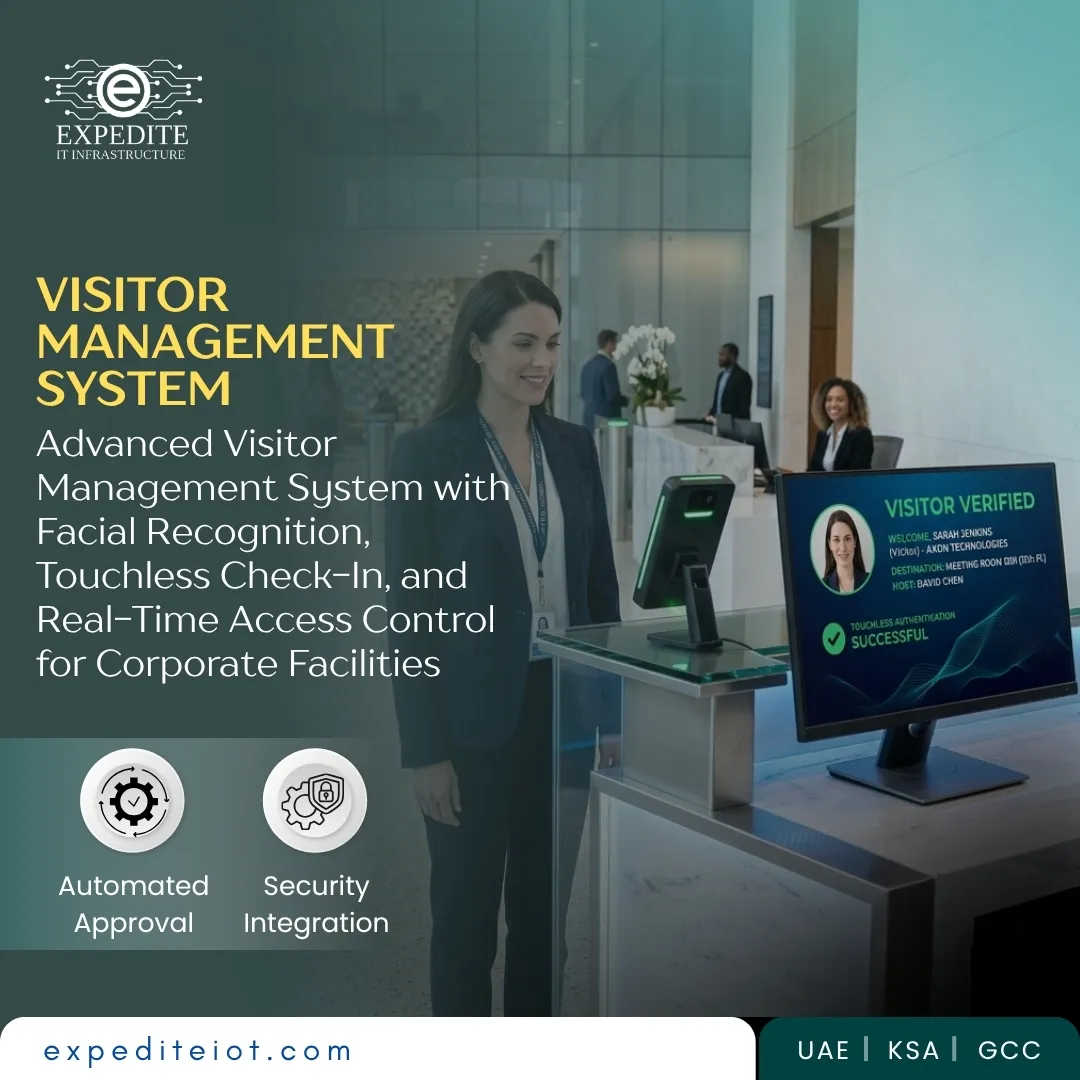
Yes, most networked access control platforms are built to integrate with video management systems and visitor management software, so a single credential event can trigger camera recording or front-desk notifications.
Is access control data stored locally or in the cloud?
Both models are available, and the right choice depends on internet reliability, data residency requirements under Saudi PDPL, and whether the organization prefers on-premise control or remote management.
Advanced Access Control System


























Sign in to leave a comment.