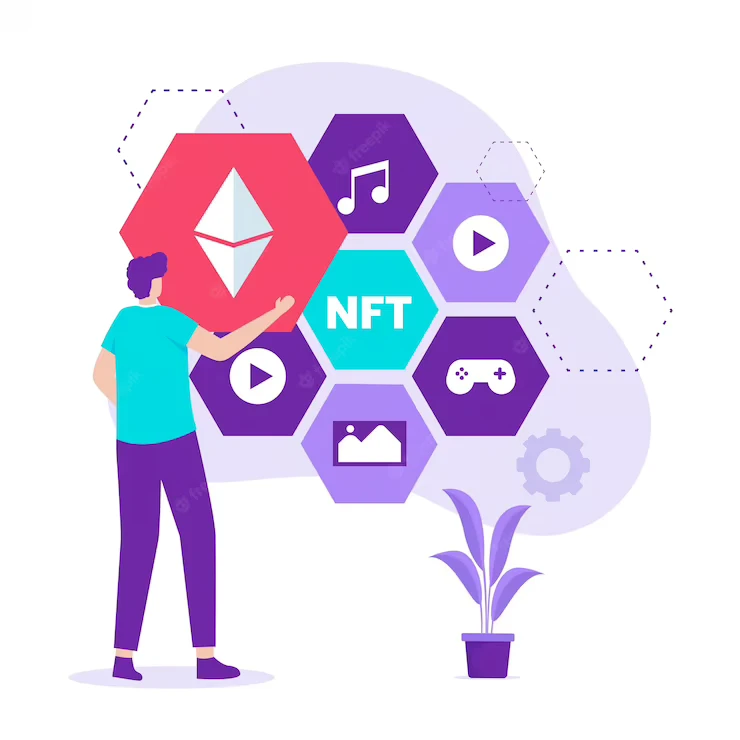

Introduction: NFT Marketplaces and the Gaming Industry
The intersection of Non-Fungible Tokens (NFTs) and the gaming industry has sparked a revolution in how players interact with digital assets and virtual worlds. NFTs, which are unique and indivisible tokens based on blockchain technology, have opened up a new realm of possibilities for gamers, developers, and collectors alike. In this blog post, we will explore the synergies between NFT marketplaces and the gaming industry, delving into the various ways in which NFTs enhance the gaming experience.
Traditionally, in-game items and assets were owned and controlled by game developers, with limited opportunities for players to truly own or monetize them. However, the introduction of NFTs has changed the landscape, empowering players to have true ownership and control over their virtual possessions. NFTs allow for the tokenization of in-game assets, creating a unique digital representation that can be bought, sold, and traded on NFT marketplaces.
With the integration of NFTs, gamers now have the ability to showcase their virtual collections, trade assets with other players, and even earn real-world value from their in-game achievements. Furthermore, NFTs have the potential to foster interoperability between different games, enabling players to use their assets across multiple platforms and experiences. This newfound synergy between NFT marketplaces and the gaming industry has not only transformed the way players engage with games but has also presented new avenues for developers to monetize their creations.
In the following sections, we will delve deeper into the rise of NFT development in gaming, exploring the benefits they bring to players and developers alike. We will examine the various NFT marketplaces available for buying, selling, and trading in-game assets, and discuss the advantages they offer. Additionally, we will explore successful case studies of NFT integration in gaming and address the challenges and considerations associated with this emerging trend. Finally, we will speculate on the future of NFT marketplaces in the gaming industry and the immense potential they hold for further innovation.
Join us on this journey as we dive into the world of NFTs and gaming, unraveling the exciting possibilities that lie at the intersection of these two dynamic industries.
Understanding NFTs: A Brief Overview
Non-Fungible Tokens (NFTs) have become a buzzword in recent years, but what exactly are they and how do they relate to the gaming industry? To grasp the significance of NFTs in gaming, it's essential to have a clear understanding of what they are and how they function.
In simple terms, an NFT is a type of cryptographic token that represents something unique or non-interchangeable. Unlike cryptocurrencies such as Bitcoin or Ethereum, which are fungible and can be exchanged on a one-to-one basis, NFTs are distinct and cannot be mutually substituted. Each NFT has a unique identifier that distinguishes it from other tokens, making it one-of-a-kind.
NFTs are built on blockchain technology, which ensures their transparency, security, and immutability. Blockchain is a decentralized ledger that records transactions in a transparent and tamper-resistant manner. This means that the ownership, history, and authenticity of an NFT can be easily verified by anyone on the blockchain.
In the context of gaming, NFTs can represent various digital assets, including in-game items, virtual real estate, characters, artwork, or even entire game worlds. By tokenizing these assets, developers can assign ownership rights to players, allowing them to buy, sell, trade, and transfer their virtual possessions. This introduces a new level of ownership and value to the gaming experience.
One crucial aspect of NFTs is the concept of provenance. Provenance refers to the ability to trace the origin and ownership history of an asset. With NFTs, provenance becomes transparent and easily verifiable, as every transaction involving an NFT is recorded on the blockchain. This creates a sense of authenticity and scarcity, as players can verify the uniqueness and originality of the assets they own.
NFTs have gained significant traction in the gaming industry due to their potential to revolutionize the way players engage with games. They offer benefits such as true ownership, interoperability, and the ability to monetize in-game assets. Additionally, NFTs provide new opportunities for artists and creators to showcase and sell their digital artworks or designs directly to players.
In the following sections, we will explore in more detail the specific ways in which NFTs enhance the gaming experience and the various synergies between NFT marketplaces and the gaming industry. By understanding the fundamental concepts of NFTs, we can better appreciate their impact and potential within the gaming ecosystem.
The Rise of NFTs in Gaming
The integration of Non-Fungible Tokens (NFTs) into the gaming industry has witnessed a remarkable rise, transforming the way players interact with virtual worlds and digital assets. The adoption of NFTs in gaming has opened up new avenues for players, developers, and collectors, revolutionizing the gaming experience in several ways.
One of the key reasons for the rise of NFTs in gaming is the concept of true ownership. In traditional gaming, players would acquire in-game items or assets, but their ownership would be limited to the confines of the game itself. With NFTs, players have the ability to truly own their virtual assets. NFTs are stored on the blockchain, providing a decentralized and transparent ledger that verifies ownership and enables secure transactions. This sense of ownership allows players to have control over their assets, even outside of the game environment.
Furthermore, NFTs introduce the concept of scarcity and rarity to the gaming world. Each NFT is unique and indivisible, representing a specific item, character, or piece of virtual property. This scarcity creates value and demand, as players seek out rare and desirable NFTs to enhance their gaming experience. The limited supply and verifiable authenticity of NFTs contribute to their appeal as collectible digital assets.
NFTs also enable interoperability between different games and platforms. Traditionally, in-game assets were limited to their respective games, with little to no transferability or compatibility across different gaming experiences. NFTs change this paradigm by allowing players to use their assets across multiple games or even trade them with other players. This interoperability opens up a vast ecosystem of possibilities, where players can leverage their NFTs in various virtual worlds and create unique cross-platform experiences.
In addition to enhancing player experiences, NFTs offer significant benefits to developers. NFTs provide a new revenue stream for developers through the sale of in-game assets directly to players. Instead of relying solely on game sales or microtransactions, developers can monetize their creations by minting and selling NFTs, earning a percentage of each subsequent transaction involving their assets. This creates an ecosystem where developers can continually benefit from the aftermarket of their creations.
The rise of NFTs in gaming has also attracted the attention of artists and content creators. NFTs enable digital artists to monetize their creations by selling unique artworks or designs directly to players. This opens up new opportunities for artists to showcase their talents, reach a broader audience, and earn income through the sale and licensing of their NFT-based creations.
As NFTs continue to gain traction in the gaming industry, major players in the market have started to embrace this trend. Established gaming companies, independent developers, and even eSports organizations have begun integrating NFTs into their games and platforms, recognizing the potential for enhanced player engagement, increased revenue streams, and new forms of monetization.
In the following sections, we will explore the synergies between NFT marketplaces and the gaming industry, examining the specific ways in which NFTs enhance the gaming experience for players and provide opportunities for developers and creators. The rise of NFTs in gaming marks a significant shift in the industry, unlocking a wealth of possibilities and paving the way for a more immersive, decentralized, and player-centric gaming ecosystem.
Exploring the Synergies: How NFTs Enhance the Gaming Experience
Exploring the Synergies: How NFTs Enhance the Gaming Experience
The integration of Non-Fungible Tokens (NFTs) into the gaming industry has brought about a multitude of synergies, revolutionizing the gaming experience for players. NFTs offer unique benefits that enhance gameplay, promote player engagement, and create new avenues for monetization. Let's delve into how NFTs enhance the gaming experience.
True Ownership: NFTs provide players with true ownership of their in-game assets. Unlike traditional gaming, where players have limited control over their virtual possessions, NFTs enable players to buy, sell, and trade their assets outside of the game environment. This sense of ownership empowers players, as they have control over their digital assets and can even retain value outside of the game ecosystem.
Scarcity and Rarity: NFTs introduce scarcity and rarity to virtual assets, creating a dynamic market for collectors and enthusiasts. Each NFT is unique, and their limited supply drives up their value. Players can collect rare NFTs, trade them, or showcase them as status symbols within the gaming community. This element of scarcity adds an additional layer of excitement and exclusivity to the gaming experience.
Player-Driven Economies: NFTs facilitate player-driven economies within games. Through NFT marketplaces, players can buy, sell, and trade in-game assets with other players. This decentralized marketplace allows players to determine the value of their assets based on supply and demand. The emergence of player-driven economies fosters a sense of community and entrepreneurship among players, as they actively participate in the game's virtual economy.
Interoperability: NFTs enable interoperability between different games and platforms. Players can use their NFTs across multiple games or transfer them to other compatible platforms. This opens up a world of possibilities, where players can carry their virtual possessions and achievements with them across various gaming experiences. Interoperability encourages cross-game collaboration and creates a more seamless and interconnected gaming ecosystem.
Enhanced Monetization: NFTs offer new avenues for monetization for both players and developers. Players can monetize their skills and in-game achievements by selling rare NFTs or renting out their assets to other players. Developers can generate revenue by minting and selling NFTs representing in-game items, virtual real estate, or unique experiences. This direct monetization model provides additional incentives for players and developers to engage with NFT-based gaming ecosystems.
Fan Engagement and Community Building: NFTs can be used to engage with fans and build communities around games. Developers can create limited-edition NFTs tied to special events, tournaments, or collaborations, allowing players to own exclusive digital memorabilia. This fosters a sense of belonging and loyalty among players, who can connect with each other through shared ownership of unique NFTs and participate in community-driven activities.
Authenticity and Provenance: NFTs ensure the authenticity and provenance of in-game assets. The blockchain technology underlying NFTs provides a transparent and immutable record of ownership and transaction history. Players can verify the origin and legitimacy of their NFTs, ensuring that their virtual assets are genuine and unique.
Creative Expression: NFTs empower artists and creators to express themselves within the gaming industry. Artists can mint and sell NFTs representing their digital artworks, designs, or character concepts. This opens up opportunities for collaboration between artists and game developers, enabling unique and visually stunning in-game assets.
The integration of NFTs into the gaming industry brings forth a new era of player empowerment, creative expression, and economic opportunities. The synergies between NFTs and gaming have the potential to reshape the industry, creating a more immersive, inclusive, and player-centric.
NFT Marketplaces: Platforms for Buying, Selling, and Trading In-Game Assets
Non-Fungible Tokens (NFTs) have given rise to dedicated marketplaces that serve as platforms for buying, selling, and trading in-game assets. These NFT marketplaces have emerged as crucial hubs where players, collectors, developers, and artists converge to engage in the exchange of virtual possessions. Let's explore some of the prominent NFT marketplaces in the gaming industry.
OpenSea: OpenSea is one of the largest and most well-known NFT marketplaces. It supports a wide range of NFTs, including in-game items, virtual land, artwork, and more. OpenSea provides a user-friendly interface for browsing, buying, and selling NFTs, with options for auctions, fixed-price listings, and bundles.
Rarible: Rarible is an open marketplace for creating, buying, and selling NFTs. It allows artists, gamers, and developers to mint their own NFTs and put them up for sale. Rarible emphasizes community participation, enabling users to vote on platform governance and contribute to the development of the marketplace.
Axie Infinity Marketplace: Axie Infinity, a popular blockchain-based game, has its own marketplace for trading in-game assets. Players can buy, sell, and trade Axies (digital creatures) and other game-related items. The Axie Infinity Marketplace is an integral part of the game's economy, allowing players to monetize their gameplay and assets.
NBA Top Shot: NBA Top Shot is an officially licensed digital collectibles platform that focuses on basketball-themed NFTs. It offers moments from NBA games in the form of NFTs, allowing users to collect, buy, and sell highlights of their favorite players. NBA Top Shot has gained significant attention and popularity within the sports and gaming communities.
Decentraland Marketplace: Decentraland is a virtual world powered by blockchain technology. It features a marketplace where users can buy, sell, and trade virtual land, wearables, and other assets. The Decentraland Marketplace enables users to build and monetize virtual experiences within the decentralized virtual world.
The Sandbox Marketplace: The Sandbox is a user-generated content platform and gaming metaverse. It offers a marketplace where users can buy, sell, and trade virtual land, assets, and game experiences. The marketplace serves as a hub for creators, allowing them to showcase and monetize their creations within The Sandbox ecosystem.
CryptoKitties: CryptoKitties is one of the earliest and most iconic NFT projects. It features a marketplace where users can buy, sell, and breed virtual cats. Each CryptoKitty is a unique NFT with its own characteristics and attributes. The marketplace facilitates the trading and breeding of these digital feline collectibles.
These are just a few examples of the diverse NFT marketplaces available in the gaming industry. Each marketplace has its own unique features, user base, and selection of NFTs. As the adoption of NFTs in gaming continues to grow, we can expect the emergence of new marketplaces and platforms that cater to specific gaming genres, communities, and virtual worlds.
NFT marketplace development provide players with opportunities to explore, acquire, and trade virtual assets, enhancing the gaming experience and expanding the possibilities of virtual ownership. Whether it's rare in-game items, virtual real estate, or digital art, these marketplaces serve as essential infrastructure for the thriving NFT ecosystem within the gaming industry.
Benefits for Gamers: Ownership, Interoperability, and Monetization
The integration of Non-Fungible Tokens (NFTs) into the gaming industry offers a range of benefits for gamers. These benefits include true ownership of in-game assets, interoperability between different games and platforms, and new avenues for monetization. Let's explore these benefits in more detail.
Ownership: NFTs provide gamers with true ownership of their in-game assets. Traditionally, players would acquire items or assets in a game, but they would be limited to using them within the game's ecosystem. With NFTs, players have ownership rights that extend beyond the game. NFTs are stored on the blockchain, a decentralized and transparent ledger, ensuring the authenticity, uniqueness, and verifiable ownership of virtual assets. This ownership allows players to buy, sell, trade, and transfer their NFTs, giving them control over their digital possessions.
Interoperability: NFTs enable interoperability between different games and platforms. Players can use their NFTs across multiple games or transfer them to compatible platforms. This breaks down the barriers that traditionally kept in-game assets confined to a single game. For example, a sword acquired in one game could be used in another game that supports the same NFT standard. Interoperability expands the possibilities for gamers, providing them with a seamless and connected experience across various gaming environments.
Monetization: NFTs introduce new avenues for gamers to monetize their gaming experiences. With NFTs, players can earn real-world value from their in-game achievements. They can sell rare and valuable NFTs to other players, participate in auctions, or even rent out their assets. This allows players to turn their time and efforts in the virtual world into tangible assets and income. Moreover, gamers can leverage their skills and accomplishments to attract buyers and collectors, creating a potential stream of revenue from their gaming prowess.
Collecting and Trading: NFTs open up a new world of collecting and trading for gamers. NFT marketplaces provide platforms for gamers to buy, sell, and trade virtual assets. Players can collect rare and unique NFTs, building their own digital collections. The rarity and scarcity of certain NFTs can make them highly valuable and sought after. Gamers can participate in the secondary market, where prices for rare NFTs can appreciate over time. This creates a dynamic ecosystem where players can engage in virtual asset trading, much like collectors in the physical world.
Community Engagement: NFTs can enhance community engagement within the gaming ecosystem. Players can connect and interact with each other through the ownership and trading of NFTs. Unique or rare NFTs can become status symbols, sparking conversations and fostering a sense of community among players. Community events, collaborations, and competitions centered around NFTs can further strengthen the bond between players and create vibrant and active gaming communities.
By offering ownership, interoperability, and monetization opportunities, NFTs significantly enhance the gaming experience for players. They empower gamers to have true ownership and control over their virtual assets, expand their gaming experiences across different platforms, and provide avenues for earning real-world value from their virtual achievements. NFTs have the potential to revolutionize the way gamers engage with games, creating a more immersive, rewarding, and player-centric gaming ecosystem.
The Future of NFT Marketplaces in Gaming
The integration of Non-Fungible Tokens (NFTs) into the gaming industry has already made a significant impact, but the future of NFT marketplaces holds even more potential for growth, innovation, and transformation. Here are some key aspects that could shape the future of NFT marketplaces in gaming:
Expanded Integration: As NFT adoption continues to increase, we can expect to see NFT marketplaces integrated more deeply into gaming ecosystems. Game developers may build direct integration with NFT marketplaces, allowing players to seamlessly access, trade, and utilize their NFT assets within the game itself. This integration will enhance the gaming experience, offering players more flexibility and options to leverage their NFTs.
Enhanced Interoperability: Interoperability between different games and platforms will become more advanced and widespread. NFT standards like ERC-1155 and ERC-721x are already facilitating cross-game compatibility, allowing players to use their NFT assets across various gaming experiences. In the future, we can expect the development of standardized protocols and tools that enable even greater interoperability, making it easier for players to navigate and transfer their NFTs across different games and platforms.
Virtual Economy Expansion: NFT marketplaces will play a crucial role in the expansion of virtual economies within gaming ecosystems. These marketplaces will provide players with diverse opportunities to buy, sell, and trade virtual assets, creating vibrant and dynamic player-driven economies. We can expect to see a wide range of assets being traded, including in-game items, virtual real estate, character skins, artwork, and more. The growth of these virtual economies will enable players to monetize their gameplay and creativity, driving engagement and participation.
Integration with DeFi: The integration of NFT marketplaces with decentralized finance (DeFi) protocols presents exciting possibilities for gamers. DeFi platforms can provide additional utility and functionality to NFT assets. For example, players may be able to use their NFTs as collateral for loans or participate in NFT-based liquidity pools to earn passive income. The combination of NFTs and DeFi will unlock new avenues for asset utilization and financial interactions within gaming ecosystems.
NFT Fractionalization: Fractionalization of NFTs will become more prevalent, allowing players to own fractions or shares of high-value NFTs. This opens up investment opportunities for players who may not be able to afford the full price of rare or expensive NFTs. Fractionalization will enable a broader range of players to participate in the NFT market and enjoy the benefits of owning unique assets.
Integration of Emerging Technologies: NFT marketplaces will likely integrate emerging technologies to enhance the gaming experience. Augmented reality (AR) and virtual reality (VR) could be utilized to create immersive environments where players can interact with their NFT assets in new and exciting ways. Additionally, advancements in artificial intelligence (AI) could enable more intelligent recommendation systems, helping players discover NFTs that align with their interests and preferences.
Sustainability and Environmental Considerations: As the popularity of NFTs grows, there will be increased focus on sustainability and environmental concerns. NFT marketplaces may implement more sustainable practices, such as utilizing energy-efficient blockchain networks or exploring alternative consensus mechanisms. Additionally, players and developers may prioritize NFT projects that are eco-friendly and have a minimal carbon footprint.
The future of NFT marketplaces in gaming is full of potential and innovation. These marketplaces will continue to evolve, providing players with new opportunities for ownership, trading, and monetization of virtual assets. As the technology advances and the ecosystem matures, NFT marketplaces will play a central role in shaping the future of gaming, offering a more immersive, connected, and player-centric gaming.
Conclusion: Unlocking the Potential of NFTs in the Gaming Industry
The integration of Non-Fungible Tokens (NFTs) into the gaming industry has unlocked immense potential, transforming the way players engage with games and virtual assets. NFTs have revolutionized the concept of ownership, enabling players to have true ownership and control over their in-game assets. This sense of ownership empowers players and opens up new opportunities for monetization.
The synergies between NFTs and the gaming industry have enhanced the gaming experience in numerous ways. NFTs bring scarcity and rarity to virtual assets, creating a vibrant market for collectors and enthusiasts. The introduction of player-driven economies has fostered a sense of community and entrepreneurship among players, as they actively participate in the game's virtual economy. The interoperability of NFTs allows players to use their assets across different games and platforms, creating a more seamless and interconnected gaming ecosystem.
Moreover, NFT marketplaces have emerged as vital platforms for buying, selling, and trading in-game assets. These marketplaces provide players with access to a wide range of virtual assets, from in-game items and virtual land to artwork and digital collectibles. They offer players opportunities for engagement, collaboration, and community-building.
The future of NFTs in the gaming industry holds even more promise. The integration of NFT marketplaces with gaming ecosystems will deepen, providing players with seamless access to their NFT assets within games. Interoperability between games will continue to improve, enabling players to leverage their NFTs across different gaming experiences. The expansion of virtual economies and the integration of DeFi will provide players with more avenues for monetization and asset utilization.
As the industry evolves, sustainability and environmental considerations will play a significant role in shaping the future of NFTs in gaming. The adoption of eco-friendly practices and energy-efficient blockchain networks will be vital in ensuring a sustainable and responsible NFT ecosystem.
Overall, NFTs have unleashed a new era of creativity, ownership, and economic opportunities within the gaming industry. They have empowered players, connected communities, and transformed virtual assets into valuable and tradable assets. With the continued advancement of technology and innovation, NFTs will continue to unlock the full potential of the gaming industry, creating a more immersive, inclusive, and player-centric gaming ecosystem.







Sign in to leave a comment.