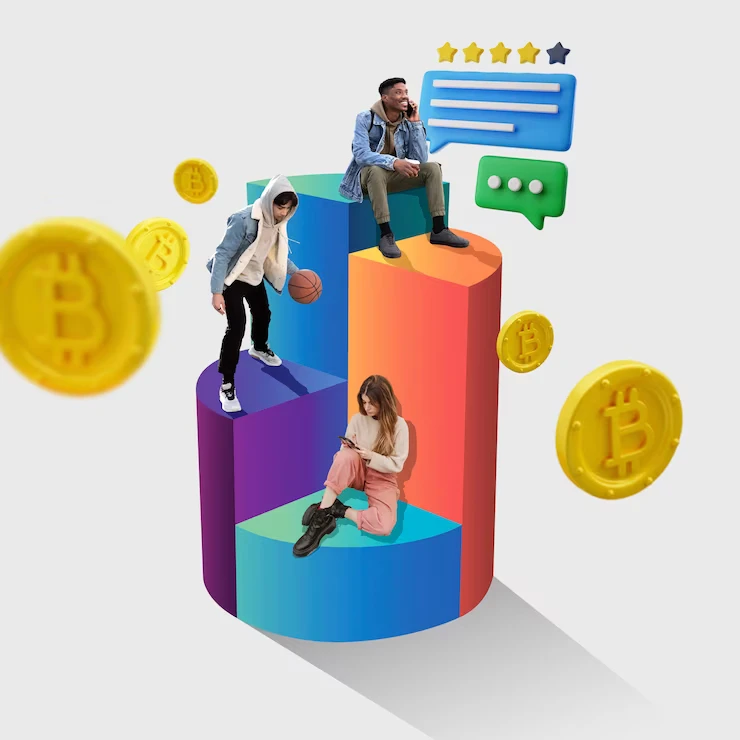

Introduction to NFTs: Understanding the Concept of Digital Ownership
In recent years, a revolutionary concept has emerged in the digital world, disrupting traditional notions of ownership and transforming the way we perceive and value digital assets. This concept is known as Non-Fungible Tokens (NFTs). NFTs represent a form of digital ownership that is unique, indivisible, and secured by blockchain technology. Unlike fungible assets such as cryptocurrencies, where each unit is interchangeable, NFTs are one-of-a-kind and distinguishable from one another. They have gained significant attention for their ability to authenticate and establish ownership over various digital items, including art, music, videos, virtual real estate, and even tweets. NFTs provide creators and artists with a new way to monetize their work, while collectors and investors can acquire exclusive digital assets. The underlying technology of blockchain ensures the transparency, immutability, and traceability of these transactions, instilling trust and confidence in the digital ownership ecosystem. The rise of NFTs signifies a paradigm shift in how we perceive, trade, and value digital assets, opening up exciting possibilities for creators, collectors, and enthusiasts alike.
The Rise of NFT Marketplaces: A Game-Changer for Digital Assets
NFT marketplaces have emerged as a game-changer in the realm of digital assets, revolutionizing the way creators, collectors, and investors interact with and monetize their digital creations. These marketplaces serve as online platforms where NFTs can be bought, sold, and traded, providing a decentralized and accessible marketplace for digital ownership.
One of the key advantages of NFT marketplaces is their ability to empower artists and creators by offering them a direct channel to showcase and sell their work. Traditionally, artists have faced barriers such as gatekeepers, limited reach, and complex distribution networks. NFT marketplaces eliminate these hurdles, allowing artists to connect directly with their audience and retain greater control over their creative output. Artists can now sell their digital artwork, music, or other digital assets as NFTs, thereby unlocking new revenue streams and gaining wider recognition for their work.
For collectors, NFT marketplaces offer unprecedented opportunities to own unique and scarce digital assets. Unlike physical art or collectibles that are limited by their tangible nature, NFTs provide a new dimension of ownership in the digital realm. Collectors can purchase and possess exclusive digital items, knowing that their ownership is verifiable and recorded on the blockchain. This sense of digital scarcity and authenticity has attracted a growing community of collectors who are eager to engage with and support digital artists and their creations.
Moreover, NFT marketplaces have introduced liquidity and market dynamics to the digital asset space. Previously, it was challenging to determine the value of digital assets or find interested buyers. NFT marketplaces provide a transparent and efficient marketplace where the value of NFTs is determined through supply and demand. This liquidity opens up avenues for investors to participate in the digital asset market, diversify their portfolios, and potentially generate returns.
The rise of NFT marketplaces has also sparked innovation and collaboration in various industries. It has encouraged artists, musicians, and content creators to experiment with new formats and revenue models. Additionally, brands and organizations are exploring partnerships with digital artists to release limited edition NFTs, creating unique digital experiences and fostering a new level of engagement with their audiences.
In conclusion, NFT marketplaces have disrupted the digital asset landscape, empowering creators, providing collectors with new opportunities for ownership, and fueling the growth of a vibrant digital art and collectibles market. As technology advances and adoption increases, we can expect NFT marketplace development to continue evolving, transforming the way we perceive, trade, and value digital assets in the future.
How NFT Marketplaces Work: A Step-by-Step Guide
Step 1: Creating a Wallet
To get started with NFT marketplaces, the first step is to create a digital wallet that supports NFTs. There are various wallet options available, such as MetaMask, Trust Wallet, and Coinbase Wallet. These wallets allow users to store, manage, and interact with their NFTs securely.
Step 2: Funding the Wallet
After setting up the wallet, it needs to be funded with the cryptocurrency supported by the marketplace. Ethereum (ETH) is the most commonly used cryptocurrency for NFT transactions. Users can acquire ETH from cryptocurrency exchanges and transfer it to their wallet.
Step 3: Choosing an NFT Marketplace
Next, users need to choose an NFT marketplace to buy, sell, or trade NFTs. Some popular NFT marketplaces include OpenSea, Rarible, SuperRare, and NBA Top Shot. Each marketplace has its own unique features, user interface, and community.
Step 4: Connecting the Wallet
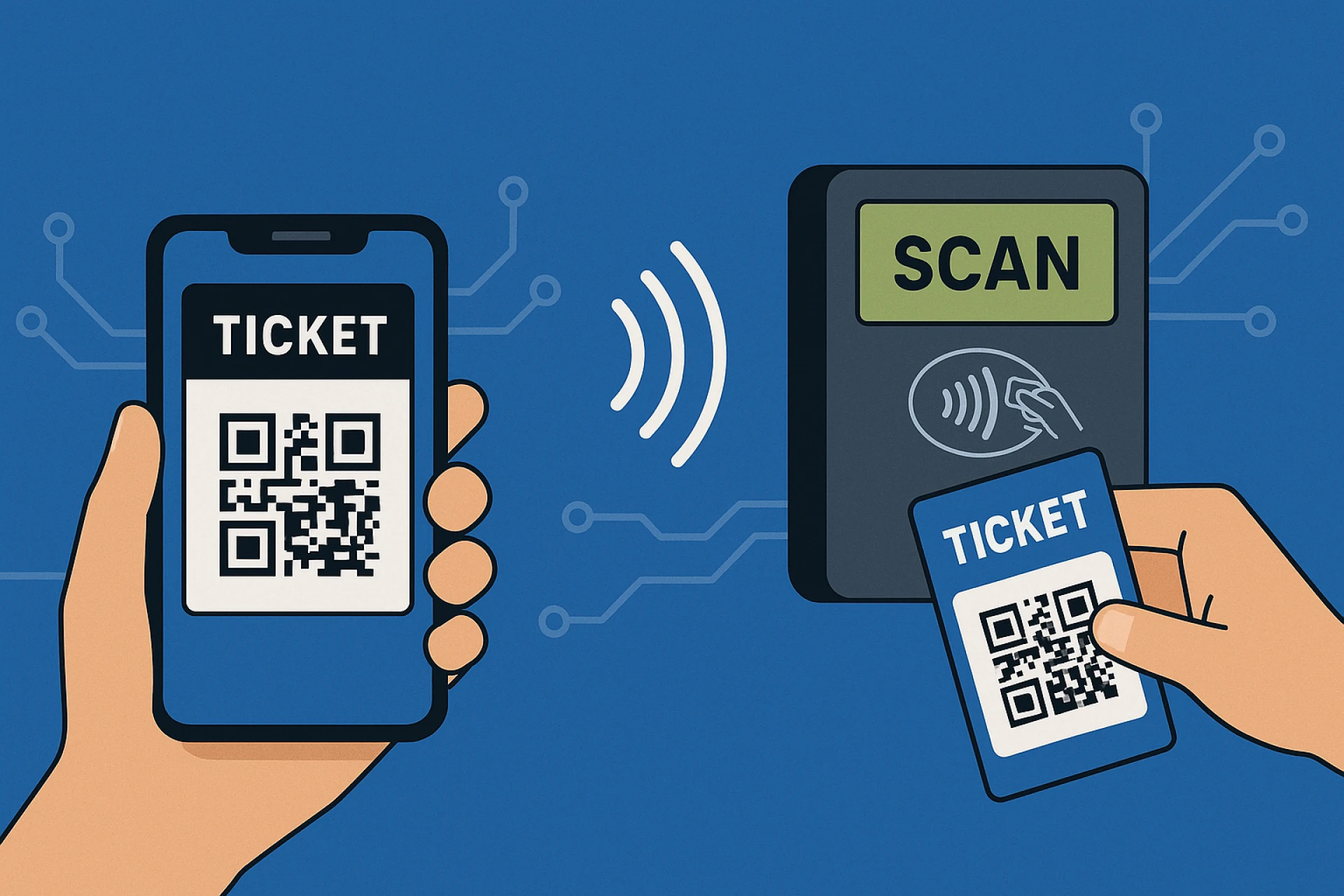
To interact with an NFT marketplace, users need to connect their digital wallet to the marketplace platform. This is usually done by authorizing the wallet connection through a browser extension or by scanning a QR code.
Step 5: Browsing and Discovering NFTs
Once the wallet is connected, users can start browsing and discovering the available NFTs on the marketplace. They can explore various categories such as art, collectibles, music, virtual real estate, and more. Marketplaces often have search filters and sorting options to help users find specific NFTs or discover trending ones.
Step 6: Buying and Selling NFTs
When users find an NFT they are interested in, they can proceed to buy it. This usually involves placing a bid or selecting the "Buy" option if the NFT has a fixed price. Users will be prompted to confirm the transaction through their connected wallet. If selling an NFT, users can create a listing, set a price or auction format, and provide additional details about the NFT.
Step 7: Managing and Transferring NFTs
Once users own NFTs, they can manage them within their wallet. This includes viewing the NFT details, transferring them to another wallet address, or listing them for sale. Wallets provide options to view the NFTs owned, track their value, and access transaction history.
Step 8: Participating in Community and Events
NFT marketplaces often have vibrant communities where users can engage with other collectors, artists, and enthusiasts. Users can participate in discussions, join events, or showcase their own NFT collections. Some marketplaces also offer features like social tokens or governance tokens, allowing users to have a voice in the platform's decision-making.
It's important to note that the specific steps and processes may vary slightly depending on the chosen marketplace and wallet. However, the overall concept remains consistent across different NFT marketplaces.
Monetizing Digital Assets: The Potential of NFTs for Investors
NFTs have unlocked a new realm of opportunities for investors, offering unique ways to monetize digital assets. Here are some key aspects of how NFTs provide potential for investors:
Access to Exclusive and Scarce Digital Assets: NFTs enable investors to acquire ownership of exclusive and scarce digital assets. These assets can range from digital artwork, virtual real estate, music, videos, or even in-game items. By investing in NFTs, investors gain access to a market of one-of-a-kind digital items that cannot be replicated or easily replaced.Potential for Value Appreciation: Similar to traditional investments, NFTs have the potential for value appreciation over time. As the demand for NFTs continues to grow and the ecosystem evolves, certain NFTs may increase in value, presenting opportunities for investors to profit from their investments. Factors such as the reputation and popularity of the creator, rarity of the NFT, and the overall market trends can influence the value of an NFT.Secondary Market Trading and Royalties: NFTs facilitate a vibrant secondary market where investors can buy and sell NFTs. This secondary market allows investors to capitalize on the value of NFTs they own by selling them at potentially higher prices. Additionally, the resale of NFTs often involves royalties for the original creator. As an investor, this means that if you acquire an NFT from an artist and later sell it at a higher price, the artist may receive a percentage of the resale value. This mechanism creates a potential revenue stream for both creators and investors.Portfolio Diversification: Investing in NFTs can provide portfolio diversification, allowing investors to allocate their resources to a new asset class. NFTs offer a unique investment opportunity that is decoupled from traditional financial markets. By including NFTs in their portfolio, investors can potentially mitigate risk and explore new avenues for generating returns.Early Adoption and Investment in Emerging Markets: NFTs are still in their early stages, which means investors have the opportunity to get involved in emerging markets and support promising artists and creators. Early adoption can provide access to rare and valuable NFTs before they become widely recognized, potentially yielding significant returns on investment.Tokenization of Real-World Assets: NFTs are not limited to digital creations; they can also represent ownership of real-world assets. This opens up possibilities for investors to tokenize physical assets such as real estate, luxury goods, or intellectual property. Tokenization allows fractional ownership and increased liquidity for traditionally illiquid assets, making them more accessible to a wider range of investors.It's important for investors to conduct thorough research, understand the risks associated with the NFT market, and consider factors such as market trends, the reputation of creators, and the long-term viability of the digital assets before making investment decisions. As the NFT ecosystem continues to evolve, investors can explore various strategies and opportunities to participate in this emerging asset class.
NFT Marketplaces and the Tokenization of Real-World Assets
NFT marketplaces have expanded beyond the realm of digital creations and are now exploring the tokenization of real-world assets. This innovative concept involves representing ownership of physical assets, such as real estate, artwork, collectibles, or intellectual property, through NFTs. Here's an exploration of NFT marketplaces and the tokenization of real-world assets:
Increased Liquidity and Accessibility: Tokenizing real-world assets through NFTs provides increased liquidity and accessibility to traditionally illiquid assets. By breaking down the ownership into fractional shares represented by NFTs, investors can participate in the ownership and trading of high-value assets that were previously out of reach for many. This opens up investment opportunities to a broader audience and enables fractional ownership of assets that would otherwise require substantial capital.Fractional Ownership and Investment Opportunities: Tokenization allows the division of an asset into smaller units, enabling fractional ownership. This means investors can own a fraction of a valuable asset rather than having to purchase the entire asset. Fractional ownership broadens the investment landscape, allowing individuals to diversify their portfolios and invest in a wider range of assets. Additionally, it facilitates shared ownership and collaborative investment in high-value assets, reducing barriers to entry and risk.Enhanced Transparency and Efficiency: NFTs built on blockchain technology provide transparency and immutability, ensuring an auditable record of ownership and transaction history for real-world assets. This transparency helps establish trust among investors and reduces the risks associated with fraudulent activities. Furthermore, the use of smart contracts in NFTs can automate certain processes, such as revenue distribution or royalties, ensuring efficient and transparent management of asset ownership and transactions.New Revenue Streams for Asset Owners: Tokenizing real-world assets introduces new revenue streams for asset owners. By selling fractional shares of an asset as NFTs, owners can raise capital without having to sell the entire asset. This can be particularly beneficial for artists, creators, or small businesses who can tokenize their intellectual property or unique creations and generate revenue through the sale of NFTs representing ownership rights.Market Expansion and Global Reach: NFT marketplaces provide a global platform for the trading and investment of tokenized real-world assets. These marketplaces connect buyers and sellers from around the world, expanding the reach and potential market for asset owners. Investors from different geographical locations can participate in the ownership and trading of tokenized assets, promoting greater liquidity and price discovery.Challenges and Considerations: Tokenizing real-world assets through NFTs comes with its own set of challenges and considerations. Regulatory compliance, legal frameworks, and ensuring the legitimacy of ownership rights are critical factors to address. Additionally, establishing accurate asset valuation, managing fractional ownership, and handling potential disputes require careful consideration and implementation.As NFT marketplaces continue to evolve, the tokenization of real-world assets holds significant potential to reshape traditional ownership models and investment opportunities. The ability to represent and trade ownership of physical assets as NFTs has the potential to democratize access to valuable assets and transform the investment landscape. However, it's important to navigate this emerging space with caution, conducting thorough due diligence and seeking professional advice when engaging in the investment of tokenized real-world assets.
Conclusion
In conclusion, NFT marketplaces have emerged as a game-changer in the world of digital assets, revolutionizing the way we perceive ownership, monetization, and investment opportunities. NFTs offer a unique form of digital ownership, powered by blockchain technology, that provides authenticity, scarcity, and transparency to digital assets. Artists and creators benefit from direct engagement with their audience, increased revenue opportunities, and greater control over their creative output. Collectors and investors gain access to exclusive and scarce digital assets, the potential for value appreciation, and the ability to diversify their portfolios. Moreover, the tokenization of real-world assets through NFTs opens up new possibilities, enabling fractional ownership, increased liquidity, and global market access for traditionally illiquid assets. However, as with any emerging market, it's important to approach NFTs and tokenization with careful consideration, conducting thorough research, and understanding the associated risks. As the NFT ecosystem continues to evolve, it holds immense potential to reshape the landscape of ownership, monetization, and investment in the digital age.







Sign in to leave a comment.