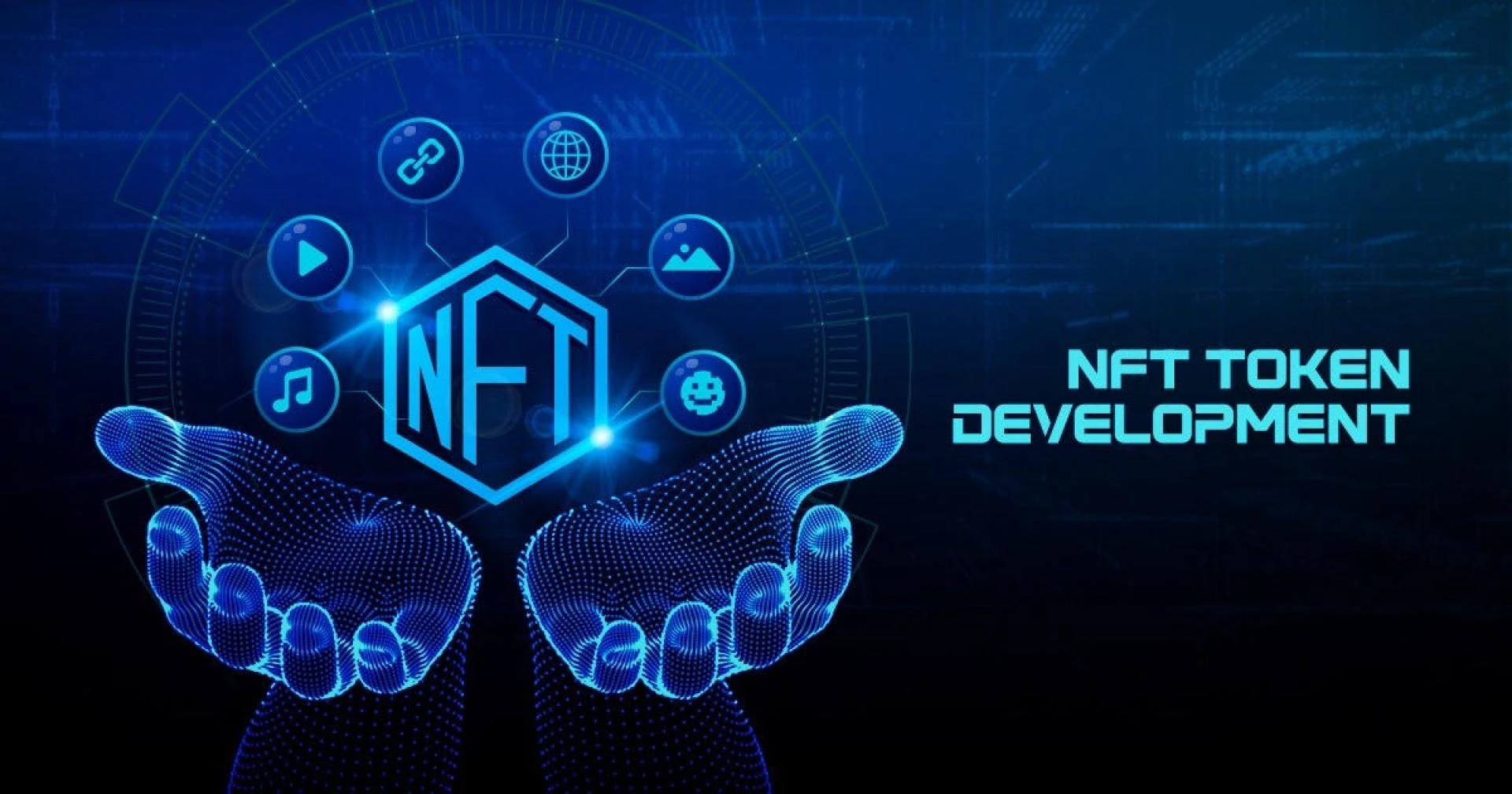

In the fast-evolving world of blockchain and digital assets, Non-Fungible Tokens (NFTs) have emerged as a prominent player, revolutionizing the way we perceive ownership and transfer of unique digital assets. As the NFT market continues to expand, it brings with it a set of legal considerations that NFT businesses must carefully navigate to ensure compliance and sustainability. In this blog post, we will delve into the crucial legal elements surrounding NFT token development in 2024 and shed light on why adherence to regulatory frameworks is paramount for the success of NFT ventures.
Significance of Legal Compliance for Thriving NFT Enterprises
Before delving into the specific legal aspects, it's crucial to understand why compliance with legal elements is imperative for NFT businesses. As the NFT ecosystem matures, regulators worldwide are paying increased attention to this space. Adhering to legal frameworks not only ensures the longevity and legitimacy of NFT projects but also fosters trust among users and investors. Let's explore the major regulatory elements that NFT entrepreneurs should take note of in 2024.
Key Regulatory Considerations for NFT Entrepreneurs in 2024
Navigating the regulatory landscape is a critical aspect of NFT token development. Understanding and complying with key regulatory elements are essential for ensuring the legitimacy and success of NFT ventures. Here, we outline the major regulatory elements that NFT entrepreneurs should be keenly aware of:
1. Intellectual Property Rights (IPR) Compliance
Ensuring NFTs avoid intellectual property infringements is crucial. Developers must meticulously verify the authenticity and ownership of digital assets to prevent disputes related to copyright and trademark violations. This is fundamental to establishing trust within the NFT ecosystem and safeguarding creators' rights.
2. Data Protection and Privacy Laws
Amid escalating concerns over data privacy, NFT businesses must meticulously adhere to global data protection regulations. The commitment to safeguarding user data and implementing robust privacy measures is not just a legal obligation but a cornerstone for mitigating legal risks and upholding user trust.
3. Anti-Money Laundering (AML) and Know Your Customer (KYC) Compliance
Maintaining a transparent ecosystem free from illicit activities demands stringent AML and KYC procedures on NFT platforms. Compliance with these regulations is pivotal for identifying and verifying users, significantly reducing the potential risks associated with money laundering and fraud.
4. Securities Regulations
Certain NFTs may fall under securities regulations, subjecting them to specific legal frameworks. NFT entrepreneurs must diligently assess their tokens' nature to ascertain compliance with these regulations. This proactive approach ensures adherence to relevant laws, providing a secure environment for users and investors.
5. Smart Contract Audits
The pivotal role of smart contracts in NFT transactions necessitates regular audits for security and functionality. Compliance with industry standards and best practices is paramount. This not only ensures the reliability of NFT projects but also contributes to the overall integrity of the blockchain ecosystem.
6. Consumer Protection Laws
Prioritizing consumer protection in the NFT space involves transparent communication about NFTs and fair business practices. Compliance with consumer protection laws isn't just a legal requirement; it's an investment in building a positive reputation. This approach minimizes legal risks and fosters trust among users and investors.
7. Jurisdictional Compliance
Successfully navigating the intricate global regulatory landscape requires a deep understanding of and strict adherence to jurisdiction-specific laws. Acknowledging legal nuances in different regions is not just vital; it's a necessity for the seamless operation of international NFT projects. Compliance ensures a secure and legally sound environment.
8. Token Classification and Tax Implications
Properly classifying NFT tokens and understanding associated tax implications are vital for financial transparency. Collaboration with legal experts is indispensable for navigating complex tax regulations. This proactive approach ensures compliance, mitigates risks, and fosters a stable financial environment for NFT ventures.
NFT Business Models Aligned with Legal Compliance for Sustainable Growth
With a solid understanding of the regulatory elements, NFT entrepreneurs can adopt business models that align with legal requirements. Let's explore eight business models that prioritize legal compliance in NFT development.
1. Verification Services for Intellectual Property Rights
Offering verification services that authenticate the origin and ownership of digital assets can evolve into a highly profitable business model. This not only ensures NFT platforms are proactive in preventing intellectual property disputes but also establishes a reliable framework for creators and investors. The emphasis on authenticity and ownership verification adds a layer of trust and credibility to the NFT ecosystem.
2. Privacy-Focused NFT Platforms
In the era of heightened privacy concerns, the development of NFT platforms with advanced privacy features and stringent data protection measures is a strategic move. Catering to users who prioritize privacy, these platforms can carve a niche in the market. The emphasis on compliance with data protection laws not only differentiates them but also addresses a growing demand for secure and private NFT transactions.
3. AML and KYC Solutions Providers
Specializing in providing Anti-Money Laundering (AML) and Know Your Customer (KYC) solutions positions companies as key players in ensuring compliance within the NFT space. This business model supports NFT platforms in meeting regulatory requirements, fostering a secure and transparent environment. As the demand for compliance grows, these providers play a crucial role in the legitimacy of NFT transactions.
4. Securities-Compliant NFT Offerings
Concentrating on creating NFTs that align with securities regulations opens up new avenues for market positioning. These tokens, marketed as secure and legally compliant investments, appeal to a broader range of investors seeking stability. This business model not only expands the market reach but also establishes a reputation for trustworthiness within the regulatory framework.
5. Smart Contract Audit Services
Establishing a business focused on conducting regular smart contract audits is a cornerstone for ensuring the security and reliability of NFT projects. Offering these services to other NFT developers creates a network effect, enhancing the overall security of the ecosystem. The commitment to maintaining industry standards and best practices solidifies the integrity of NFT transactions.
6. Consumer Education and Protection Platforms
Creating platforms dedicated to educating users about NFTs and safeguarding their rights, coupled with ensuring consumer protection, emerges as a valuable business model. Building trust through transparency and education contributes significantly to the sustainable growth of the NFT industry. This approach not only enhances user confidence but also fosters a positive image for the entire NFT ecosystem.
7. Jurisdictional Compliance Consultancy
Specializing in providing consultancy services for navigating jurisdiction-specific regulations positions companies as essential partners for NFT projects aiming for global compliance. This business model supports international expansion by ensuring that NFT ventures adhere to the complex legal nuances in different regions. The expertise in navigating diverse regulatory landscapes adds immense value to the success and sustainability of NFT projects on a global scale.
8. Tax Advisory Services for NFT Ventures
Given the intricacies of tax implications in the NFT space, establishing a business offering comprehensive tax advisory services to NFT entrepreneurs is instrumental. This model aids entrepreneurs in navigating the intricate landscape of tax regulations, ensuring compliance and financial transparency. As tax complexities increase, these advisory services become indispensable for the long-term success and financial sustainability of NFT ventures.
Conclusion
In the dynamic world of NFTs, legal considerations are paramount for the success and sustainability of NFT businesses. By understanding and adhering to intellectual property rights, data protection laws, anti-money laundering regulations, and other crucial elements, NFT entrepreneurs can navigate the regulatory landscape effectively. Moreover, adopting business models that prioritize legal compliance ensures the long-term viability of NFT projects, fostering trust among users and investors. As the NFT ecosystem continues to evolve, staying abreast of legal developments and proactively addressing regulatory challenges will be key to thriving in this exciting space.
















Sign in to leave a comment.