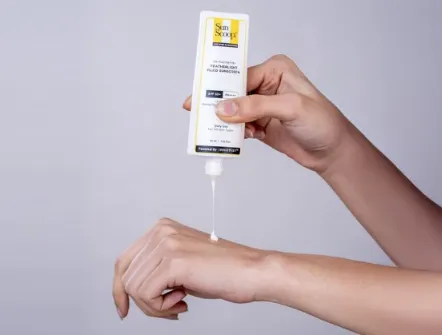

Walk into any pharmacy or scroll through a skincare page today, and you will notice one ingredient showing up everywhere niacinamide. From serums to moisturisers, this powerhouse vitamin has earned its place in millions of skincare routines. But now, it has found perhaps its most important home: inside your daily sunscreen.
If you have been using a plain SPF and wondering why your skin still looks dull, oily, or uneven, a niacinamide sunscreen might be exactly what your routine has been missing. This guide breaks down what niacinamide actually is, how it works alongside sun protection, and why dermatologists and skincare experts are calling this combination a game-changer for all skin types.
What Is Niacinamide?
Before we get into the sunscreen connection, let us understand the ingredient itself.
Niacinamide is a type of vitamin B3 one of eight B vitamins that support many aspects of your health. In skincare, it is a water-soluble ingredient that absorbs easily into the skin and gets to work quickly. Unlike many active ingredients that can sting, peel, or irritate the skin, niacinamide is remarkably gentle. It works well on sensitive skin, acne-prone skin, oily skin, and even ageing skin.
Overall, niacinamide can help build proteins in the skin and lock in moisture to prevent damage. That is a lot of work for one ingredient and when you combine it with broad-spectrum SPF, the results become even more impressive.
How Does Niacinamide Work in Sunscreen?
You might be wondering: does niacinamide actually do anything inside a sunscreen, or is it just a marketing claim? The answer is very much the former.
When combined with UV filters, niacinamide creates a protective shield that goes beyond traditional sun protection. While sunscreen blocks harmful UV rays, niacinamide repairs and strengthens the skin from within, helping boost the skin's natural defence mechanisms and making it more resilient against environmental stressors.
Think of it this way: your regular SPF acts as a wall, keeping UV rays out. Niacinamide is like a repair crew working inside fixing damage, strengthening the structure, and keeping everything healthy. The two work together beautifully.
Niacinamide plays a crucial role in reinforcing the skin's natural barrier by boosting the production of ceramides and fatty acids key components that keep moisture in and irritants out. A stronger skin barrier means your skin handles everything better, from pollution to harsh weather to daily stress.
Key Benefits of Adding Niacinamide to Your SPF
1. Fights Dark Spots and Uneven Skin Tone
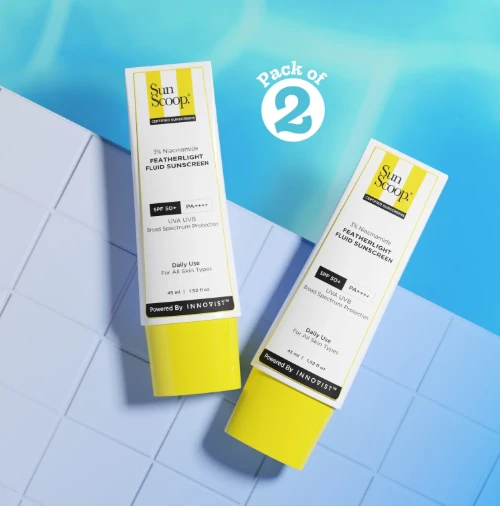
One of the most loved benefits of niacinamide Sunscreen by Sunscoop is its ability to brighten skin. Hyperpigmentation, dark spots, and uneven skin tone are common long-term effects of sun exposure. Niacinamide helps address these issues by slowing the transfer of melanin to the skin's surface, gradually reducing discoloration over time. When used daily in a sunscreen, niacinamide prevents new spots from forming while fading existing ones.
This is particularly valuable for Indian skin tones, which are more prone to post-inflammatory pigmentation from acne, sun damage, and hormonal changes.
2. Controls Excess Oil and Shine
For anyone with oily or combination skin, this benefit alone is worth switching products for. One of the most noticeable benefits is oil regulation. Niacinamide helps control excess sebum production, which means your sunscreen will not feel heavy or greasy throughout the day.
By regulating sebum production, niacinamide helps to control excess oiliness and shine, leaving the skin with a matte finish making it an excellent choice for those who struggle with oily skin and are looking for sun protection that will not exacerbate shine or clog pores.
3. Soothes Redness and Irritation
Sun exposure does not just burn your skin it can trigger inflammation, redness, and flare-ups, especially if you have sensitive or reactive skin. Niacinamide's natural anti-inflammatory properties help calm these reactions, minimising discomfort and visible redness, making SPF formulas with this ingredient an excellent choice for people who find traditional sunscreens too harsh.
4. Reduces Fine Lines and Supports Collagen
Sunscreen already prevents premature ageing by blocking UV rays. Add niacinamide, and you get an extra anti-ageing boost. Niacinamide helps reduce the appearance of fine lines and wrinkles by boosting collagen production, which improves elasticity, and by supporting a healthy skin barrier that keeps skin hydrated and plump.
Pairing SPF 50 with niacinamide means you are fighting wrinkles from two sides: SPF prevents UV-induced collagen breakdown, while niacinamide boosts elasticity and smooths fine lines.
5. Strengthens the Skin Barrier
Your skin barrier is your body's first line of defence. When it is weakened, your skin becomes dry, reactive, and prone to breakouts. Niacinamide strengthens the skin's natural barrier, making it more resistant to external aggressors. A strong skin barrier is essential for keeping skin healthy and hydrated and for preventing irritation and sensitivity.
6. Helps with Acne-Prone Skin
If you have acne-prone skin, this ingredient is practically made for you. Niacinamide influences the sebaceous glands' sebum production. By keeping pores clear, it helps prevent acne. When applied in a mild 2% concentration, it reduces breakouts without overly drying the skin. Combined with a non-comedogenic SPF formula, this means you can protect your skin daily without worrying about clogged pores or new breakouts.
Who Should Use It?
The short answer: almost everyone. But this combination is especially ideal for people who deal with:
- Oily or combination skin — controls shine and keeps the finish matte all day
- Acne-prone skin — reduces sebum, calms inflammation, and prevents breakouts
- Skin with dark spots or hyperpigmentation — fades existing marks and prevents new ones
- Sensitive or reactive skin — soothes redness and irritation from UV exposure
- Ageing concerns — supports collagen and keeps skin firm and plump
Niacinamide helps keep the skin nourished, preventing dryness and flaking, and controls excess oil making sunscreens with this ingredient ideal for all skin types, from the driest to the oiliest.
How to Use It in Your Daily Routine
Getting the most out of this combination is simple. Apply your SPF as the last step in your morning skincare routine, after cleanser, toner, serum, and moisturiser. You can apply niacinamide-based products once or twice daily as part of your morning and nighttime routine; it is generally safe and rarely causes side effects.
If your sunscreen already contains niacinamide, you get both benefits in one step, cutting down on time and the number of products you need to layer.
Reapply every two hours if you are spending time outdoors, after sweating, or after swimming. Consistency is everything you can typically expect to see noticeable improvements in skin texture, brightness, and reduced dark spots within 4 to 8 weeks of regular use.
What Concentration Should You Look For?
Not all products contain effective amounts of niacinamide. When shopping, look for it listed clearly in the ingredients, ideally between 3% and 5%. This range is well-studied, gentle enough for daily use, and effective for all the skin benefits mentioned above. Anything above 10% can cause minor irritation in some people, so higher is not always better.
The Bottom Line
Your sunscreen should protect your skin but it should not stop there. A good niacinamide sunscreen does double duty: shielding you from UV damage while actively improving your skin's tone, texture, oil balance, and barrier health. It is one of the smartest, most practical upgrades you can make to your everyday morning routine.
Whether you are dealing with oily skin, dark spots, sensitivity, or just want your SPF to work harder this combination is worth every rupee. Apply it every morning without fail, and your skin will thank you within weeks.
Frequently Asked Questions (FAQs)
Q1. Can I use niacinamide sunscreen every day?
Yes, absolutely. Niacinamide is one of the gentlest active ingredients in skincare, making a niacinamide sunscreen perfectly safe for daily morning use. Consistency is key the brightening, oil-controlling, and barrier-strengthening benefits build up over time. Most people start seeing visible improvements in skin tone and texture within 4 to 8 weeks of regular use.
Q2. Is SPF with niacinamide good for oily and acne-prone skin?
It is actually one of the best options for oily and acne-prone skin. Niacinamide works at the cellular level to regulate sebum production, helping control mid-day shine without drying the skin out. When combined with a non-comedogenic SPF formula, you get strong UV protection while reducing the risk of clogged pores and breakouts something heavy, traditional sunscreens often fail to do.
Q3. Can I use a vitamin C serum alongside an SPF with niacinamide?
Yes, and it is actually a great pairing. Apply your vitamin C serum first, let it absorb fully, then follow with your sunscreen. Together, these two ingredients target hyperpigmentation from different angles vitamin C brightens and fades existing spots, while niacinamide prevents new melanin transfer and protects the skin barrier. This combination is widely recommended by dermatologists for anyone dealing with dullness or uneven skin tone.


























Sign in to leave a comment.