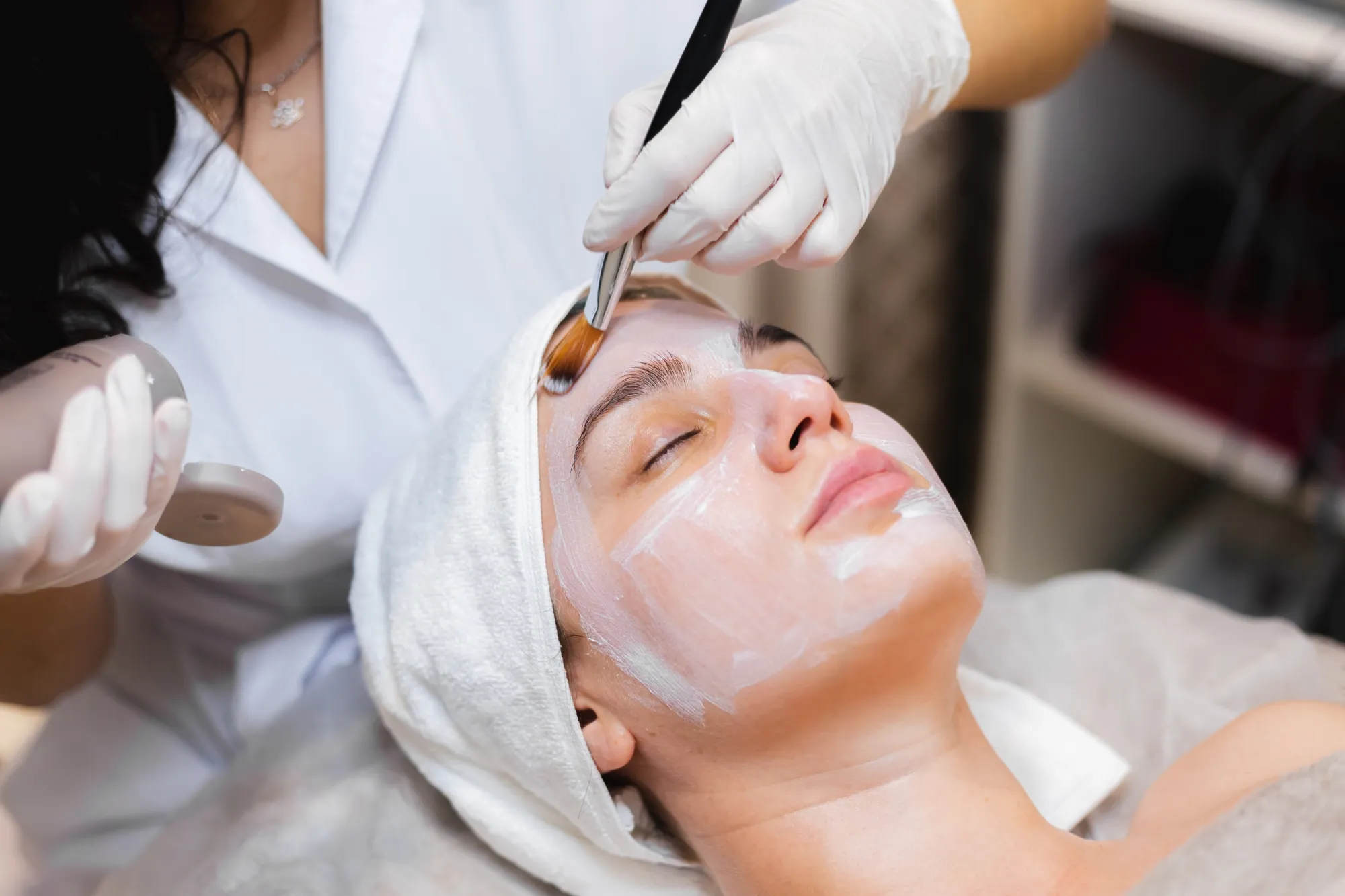

Healthy, radiant skin isn’t achieved through guesswork—it’s the result of understanding what your skin truly needs and responding with precision. That’s where a custom skin treatment stands apart. Rather than following a generic routine, this approach focuses on diagnosing your skin at a deeper level and delivering targeted solutions designed specifically for you.
In this blog, we’ll take you behind the scenes to understand how professionals assess your skin and create treatments that deliver real, lasting results.
Why Personalization Matters in Skincare
Many people rely on over-the-counter products or trending routines, only to see minimal or inconsistent results. The reason is simple: skin is dynamic. It changes based on age, environment, hormones, lifestyle, and even stress levels. What works for one person—or even for you a few months ago—may not work today.
A custom skin treatment acknowledges this complexity. Instead of applying a one-size-fits-all solution, it adapts to your current skin condition, ensuring that every step is intentional and effective.
Step 1: In-Depth Skin Consultation
Every effective treatment begins with a thorough consultation. This is not just about identifying surface-level concerns like acne or dryness—it’s about understanding the bigger picture.
During this stage, a skincare professional will typically assess:
- Your skin type (oily, dry, combination, sensitive)
- Current concerns (acne, pigmentation, fine lines, redness)
- Medical and skincare history
- Lifestyle factors such as diet, sleep, and stress
- Environmental exposure (sun, pollution, climate)
This conversation helps uncover underlying causes rather than just treating visible symptoms. For example, persistent breakouts may be linked to hormonal changes, while dull skin could be a result of dehydration or poor exfoliation habits.
Step 2: Advanced Skin Analysis
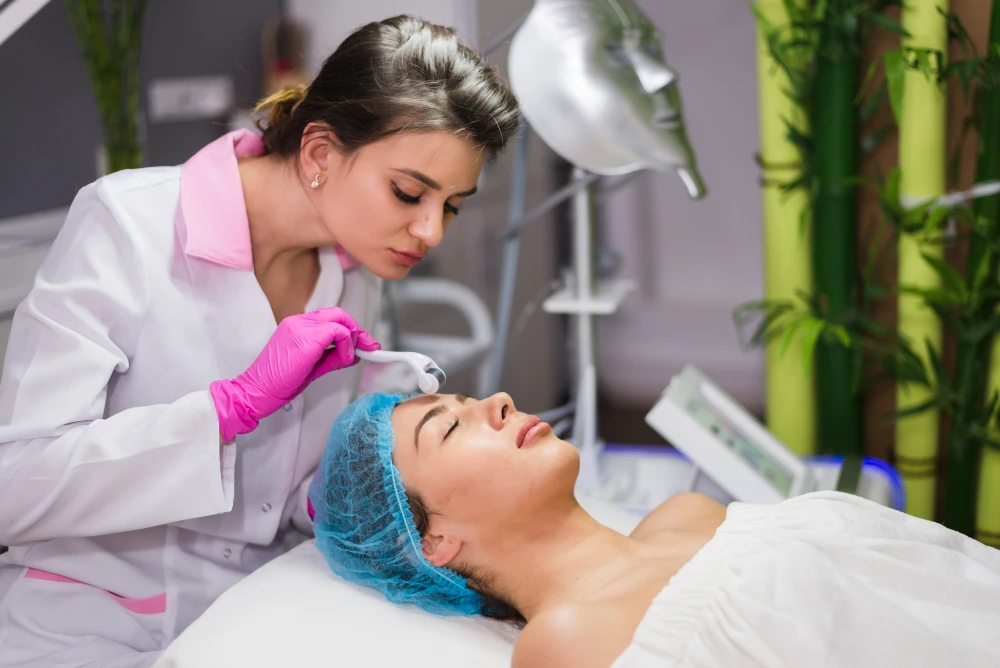
After the consultation, professionals often perform a more detailed skin analysis. This may involve both manual examination and advanced tools that reveal what’s happening beneath the surface.
Some common evaluation methods include:
- Visual and tactile assessment: Checking texture, elasticity, and hydration levels
- Magnification tools: Identifying clogged pores, fine lines, and uneven tone
- Digital skin analysis systems: Measuring moisture, oil levels, and pigmentation
This step is crucial because many skin issues originate below the surface and are not immediately visible. A custom skin treatment relies on this deeper understanding to ensure that treatments are both accurate and effective.
Step 3: Identifying Priority Concerns
Not all skin concerns can—or should—be treated at once. One of the key differences between generic facials and personalized care is prioritization.
For example:
- If your skin barrier is compromised, repairing it becomes the first priority before addressing acne or pigmentation
- If inflammation is present, calming the skin takes precedence over aggressive treatments
By focusing on what your skin needs most at that moment, professionals prevent further damage and create a foundation for long-term improvement.
Step 4: Designing the Treatment Plan
Once the analysis is complete, the next step is creating a tailored plan. This is where the expertise of the professional truly comes into play.
A custom skin treatment plan may include a combination of:
- Deep cleansing to remove impurities
- Exfoliation (chemical or physical) to improve texture
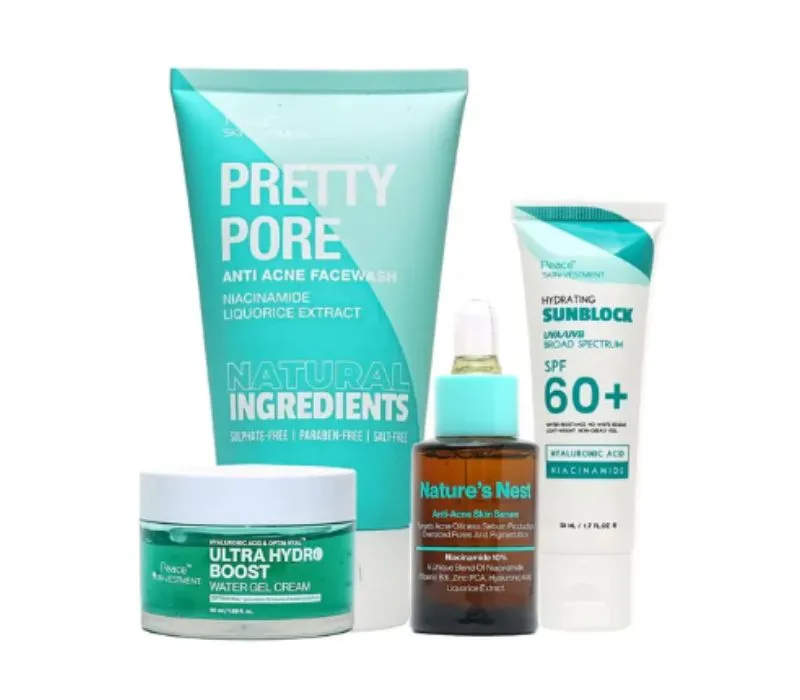
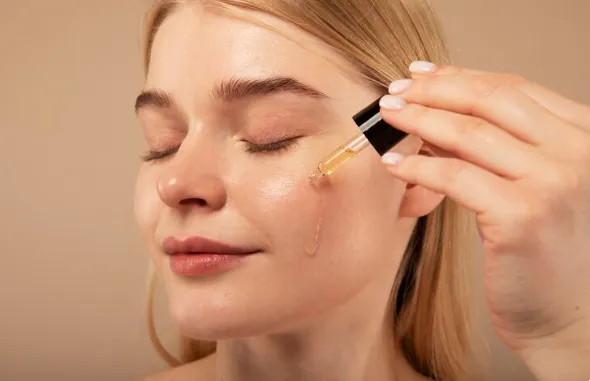
- Targeted serums based on your skin concerns
- Hydration therapies to restore moisture balance
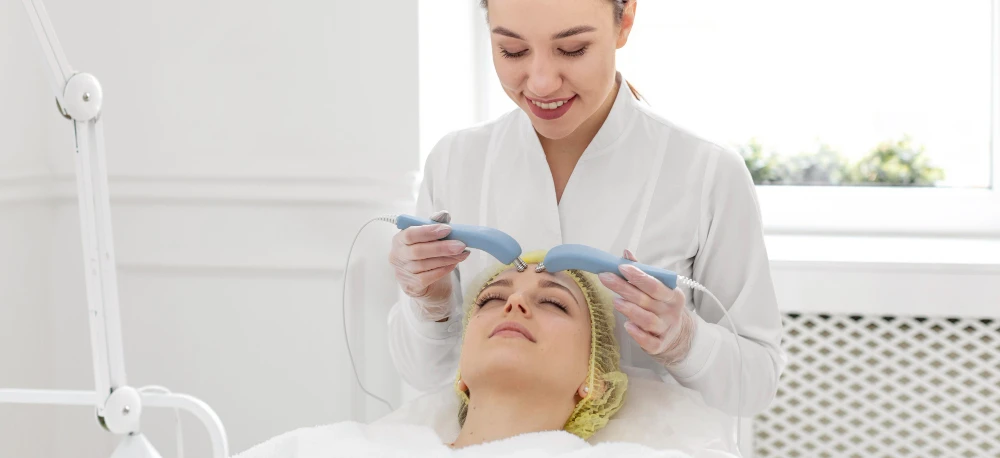
- Advanced techniques such as LED therapy or enzyme treatments
Each element is selected based on compatibility with your skin, ensuring that the treatment works with your skin rather than against it.
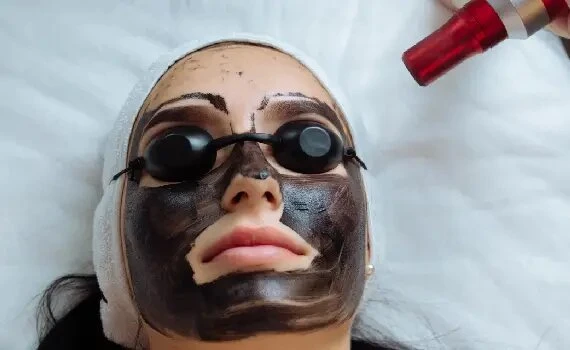
Step 5: The Treatment Experience
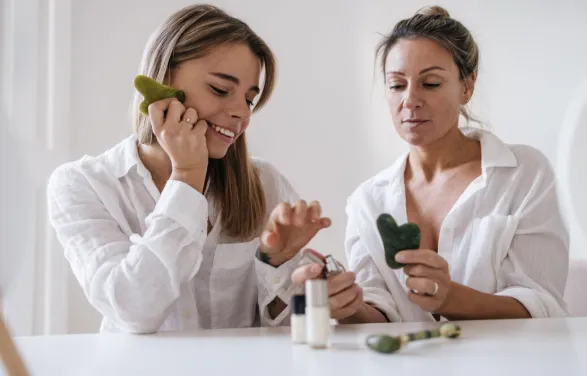
During the actual session, every step is performed with precision and intention. Unlike standard facials that follow a fixed routine, a personalized session can be adjusted in real time.
For instance:
- If your skin shows sensitivity during exfoliation, the professional may switch to a gentler method
- If dehydration is detected, additional hydration steps may be added
- If congestion is present, extractions may be performed carefully to avoid irritation
This flexibility is what makes the process so effective. A custom skin treatment is not static—it evolves based on how your skin responds during the session.
Step 6: Post-Treatment Care and Guidance
What happens after your appointment is just as important as the treatment itself. Professionals provide detailed aftercare instructions to help you maintain and enhance your results.
This may include:
- Recommended skincare products tailored to your skin
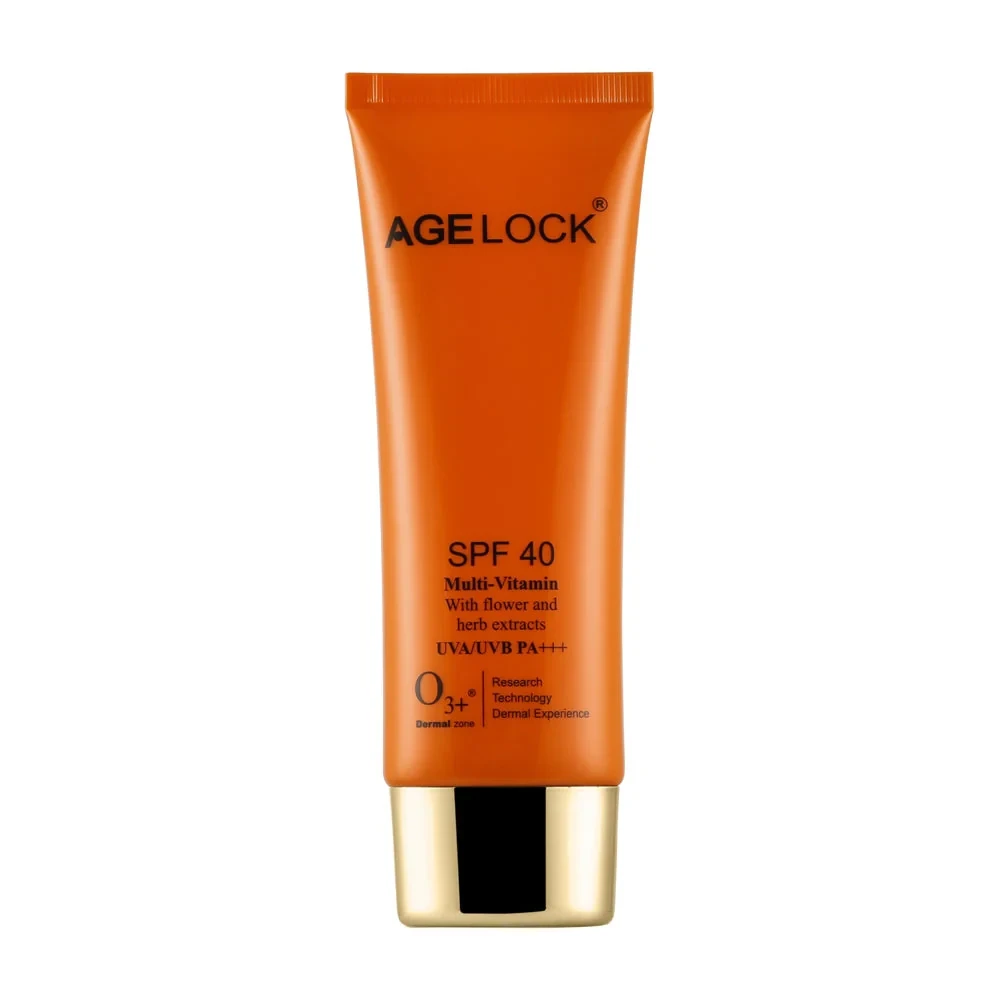
- Guidelines on sun protection and hydration
- Advice on what to avoid (such as harsh exfoliants or active ingredients for a few days)
- A suggested schedule for follow-up treatments
Consistency is key. A single session can deliver visible improvements, but long-term results come from ongoing care and adjustments.
Common Skin Concerns Addressed
A well-designed custom skin treatment can effectively target a wide range of skin issues, including:
- Acne and congestion: Clearing pores and reducing inflammation
- Hyperpigmentation: Brightening uneven skin tone
- Dryness and dehydration: Restoring moisture balance
- Fine lines and aging: Improving elasticity and texture
- Sensitivity: Strengthening the skin barrier
Because the treatment is personalized, it can address multiple concerns simultaneously without overwhelming the skin.
How Skin Changes Over Time
One of the biggest misconceptions about skincare is that a single routine will work forever. In reality, your skin evolves due to:
- Seasonal changes
- Hormonal fluctuations
- Aging
- Lifestyle habits
This is why periodic reassessment is essential. A custom skin treatment adapts to these changes, ensuring your skin continues to receive exactly what it needs at every stage.
The Long-Term Benefits of Personalized Care
Investing in tailored skincare goes beyond immediate results. Over time, it helps:
- Improve overall skin health and resilience
- Prevent future issues before they become severe
- Enhance the effectiveness of your daily skincare routine
- Build confidence through consistent, visible improvements
Rather than chasing quick fixes, this approach focuses on sustainable results.
Final Thoughts
Understanding your skin is the foundation of effective skincare. While generic treatments may offer temporary benefits, they often fall short when it comes to addressing individual needs. A professional, personalized approach ensures that every step—from diagnosis to treatment—is aligned with your skin’s unique condition.
By choosing a custom skin treatment, you’re not just treating surface-level concerns—you’re investing in a strategy designed specifically for you. The result is healthier, more balanced skin that continues to improve over time.

















Sign in to leave a comment.