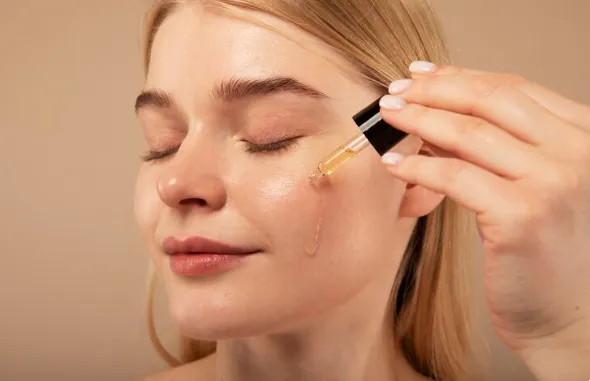

A person may notice it first near the cheekbone. One small shadow after a breakout. Then another patch after a long sunny afternoon. Makeup covers it for a few hours, but the mirror still catches it in certain light.
That is where vitamin C for hyperpigmentation becomes more than a trending skincare phrase. It becomes a real question: can one ingredient help skin look clearer, brighter, and more even without making the routine harsh?
The answer is hopeful, but it needs patience. Vitamin C can support a brighter-looking complexion, help reduce the appearance of dark spots, and work well with sun protection. Still, it is not a magic eraser. The best results usually come from a steady routine, gentle habits, and knowing what caused the discoloration in the first place.
Key Takeaways
- Vitamin C can help brighten uneven-looking skin.
- Sun protection is essential for lasting visible improvement.
- Results take time, especially with deeper discoloration.
- Gentle routines often work better than aggressive routines.
Why Dark Marks Stay So Long
Dark spots often form when the skin produces extra melanin, the pigment that gives skin its color. The American Academy of Dermatology explains that triggers can include acne, eczema, injuries, irritation from products, certain medications, and hormonal changes. When the trigger settles, the mark may remain for months.
This is why people feel frustrated. The pimple is gone. The scratch healed. The irritation stopped. Yet the mark stays behind like a reminder.
Hyperpigmentation is not always a surface issue. Sometimes the color sits deeper in the skin, which can make fading slower. AAD notes that spots a few shades darker than the natural skin color may fade within 6 to 12 months once the cause is controlled, while deeper discoloration may take years.
How Vitamin C For Hyperpigmentation Works
Vitamin C is an antioxidant used in skincare to help brighten the look of skin and support a more even tone. AAD lists vitamin C among ingredients that can fade existing dark spots and, in some cases, slow the production of melanin that causes dark patches.
In simple terms, vitamin C helps in two important ways. First, it supports skin against oxidative stress caused by sun exposure and environmental factors. Second, it can help reduce the visible look of uneven pigment by influencing melanin production.
That makes vitamin C for hyperpigmentation a practical option for people who want a brightening ingredient that can fit into a daily skincare routine. It is often used in serums or creams, usually before moisturizer and sunscreen in the morning.
What Happens Inside The Skin
When skin feels threatened by inflammation, sunlight, or irritation, it may respond by creating more melanin. That extra pigment can collect in certain areas, forming dark spots or uneven patches.
Vitamin C does not peel pigment away like a harsh scrub. It works more quietly. It supports antioxidant defense, helps with the look of dullness, and may help interrupt the overproduction of pigment.
A useful way to think about it is this: vitamin C helps calm the “signal” that keeps uneven tone looking more noticeable. It supports the skin while the body slowly clears older pigment.
That slow pace matters. Someone may use a brightening cream for two weeks and feel disappointed because the spot is still visible. But skin changes gradually. A fading routine is closer to a savings plan than a quick purchase. Small deposits matter.
Why Sunscreen Changes Everything
Vitamin C can help, but sunscreen is the routine step that protects progress. Without it, new pigment can form while old spots are trying to fade.
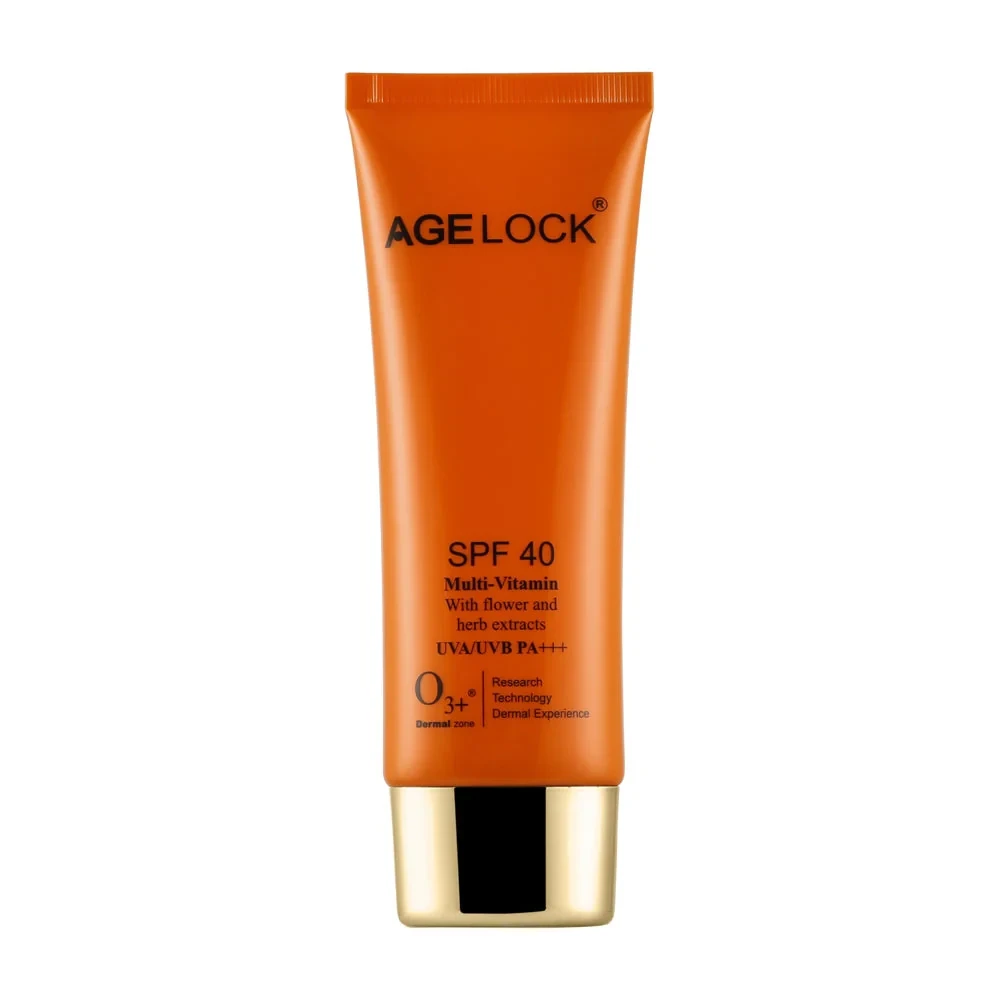
AAD says effective treatment for dark spots begins with sunscreen, and sunscreen can prevent new patches while helping existing ones clear. It recommends sunscreen with SPF 30 or higher, broad-spectrum protection, water resistance, and a formula that suits the skin.
The reason is simple. UV exposure can keep dark spots active. Visible light may also play a role in discoloration for some skin tones, which is why tinted sunscreen with iron oxide is often discussed for stubborn marks.
One recent UV report listed a daily maximum UV index of 7, which is categorized as high. That kind of exposure helps explain why brightening skincare needs daily protection, not occasional protection.
Choosing A Sensible Brightening Routine
A good brightening routine should feel boring in the best way. No burning. No constant product switching. No panic buying after every new mark.
Here is a clean starting path:
- Use a gentle cleanser that does not leave skin tight.
- Apply a vitamin C product to clean skin.
- Follow with moisturizer if the skin feels dry.
- Wear sunscreen every morning.
- Pause any product that stings or irritates.
This routine works because it protects the skin while targeting uneven tone. Irritation can create more discoloration, so comfort is not a luxury. It is part of the strategy.
Which Product Texture Fits Best
Not every vitamin C product feels the same. Some are light and watery. Some feel creamy. Some are made for oily skin, while others suit dry or mature-looking skin better.
| Skin Pattern | Helpful Texture | Why It Helps | Common Mistake |
| Dry and tight | Cream-based formula | Adds comfort with brightening care | Skipping moisturizer |
| Oily and shiny | Light serum or gel | Feels less heavy | Using too many activities |
| Sensitive and reactive | Gentle cream | May reduce sting risk | Choosing high strength first |
| Dull and uneven | Daily brightening product | Supports glow over time | Expecting an overnight change |
| Spot prone skin | Simple routine | Reduces irritation triggers | Scrubbing dark marks |
The goal is not to choose the strongest product. The goal is to choose the product that the skin will accept again and again.
Vitamin C For Hyperpigmentation Mistakes
Many people treat dark spots with too much force. They scrub. They layer acids. They add retinol, exfoliants, brighteners, and masks in the same week. Then the skin becomes red, dry, or inflamed.
That can backfire. AAD notes that irritating skin or hair care products can cause dark spots, and using gentler products can help stop new spots from appearing.
The most common mistakes include:
- Using a product that burns and continuing anyway
- Skipping sunscreen because it is cloudy
- Picking at acne or healing spots
- Trying too many brightening ingredients at once
- Expecting deep discoloration to fade quickly
A smarter routine respects the skin barrier. When the barrier feels calm, brightening ingredients have a better chance of being used consistently.
What Makes Vitamin C Different
Vitamin C is not only a tonic ingredient. It is also valued because it works as an antioxidant. That is important because oxidative stress can contribute to dullness and visible aging changes.
For someone dealing with dark spots and uneven skin tone, vitamin C can be appealing because it supports brightness while fitting into a broader skin health routine. It may pair well with gentle hydration, sunscreen, and barrier-friendly products.
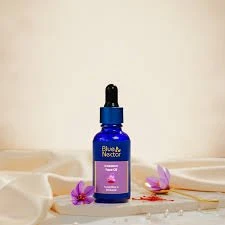
Still, not all forms of vitamin C behave the same way. Some formulas are more stable. Some are stronger. Some are better suited for sensitive skin. Packaging also matters because vitamin C can be unstable when exposed to air and light.
That is why a product that is well packaged and used consistently may feel more practical than a product that sounds powerful but irritates the skin.
How Long Results Usually Take
A person using vitamin C for hyperpigmentation should think in months, not days. Surface dullness may look better sooner, but dark spots often need more time.
The pace depends on:
- How deep the pigment sits
- Whether the cause is still active
- How well the skin is protected from the sun
- How irritated or calm the skin barrier is
- How regularly the routine is followed
If acne keeps returning, the marks may keep returning too. If sunscreen is skipped, fading may stall. If a product causes stinging, the skin may become more reactive.
Progress often looks like this: first, the skin appears less dull, then the edges of the mark look softer, then the spot blends more naturally with the surrounding tone.
A Familiar Skin Scenario
Imagine someone who has a mark left from a breakout on the chin, a faint patch near the temple, and dryness around the nose. They choose a brightening product because they want the marks gone fast. After using too much, the skin starts to sting.
A better approach would be slower. Cleanser. Vitamin C. Moisturizer. Sunscreen. Nothing dramatic.
After a few weeks, the skin may feel calmer. After a few months, the marks may look less sharp. The real win is not only the fading. It is that the person finally has a routine they can keep.
That is the quiet power of good skincare. It becomes repeatable.
When Professional Help Makes Sense
Home care can help many mild dark spots, but not every patch should be treated alone. A dermatologist may be needed when discoloration spreads, changes quickly, does not respond, or appears with irritation, pain, or unusual texture.
AAD explains that some dark spots may require prescription-strength treatment and that dermatologists can safely combine options for better results.
Professional support is especially useful when melasma is suspected, when acne is ongoing, or when a person has tried several products with no improvement. The right diagnosis saves time.
Conclusion: Brightening Needs Patience
The best way to understand vitamin C for hyperpigmentation is to see it as a steady support ingredient, not a fast fix. It can help brighten uneven-looking skin, support antioxidant care, and soften the visible look of dark spots when used with sunscreen and a calm routine.
The skin does not need punishment to improve. It needs consistency, protection, and products that respect its limits. Fusion Botanicals offers small batch vitamin C care designed to support a brighter looking complexion, help soften the appearance of dark spots, and bring gentle antioxidant support to uneven skin tone.
FAQs
What Makes A Good Brightening Routine?
A good routine feels gentle, consistent, and easy to repeat. Cleanse, treat, moisturize, and protect the skin each morning.
What Are The Best Practices?
Use one main treatment at a time, avoid harsh scrubbing, and wear sunscreen daily to protect visible progress.
How To Choose A Professional Formula?
Look for stable packaging, clear ingredient purpose, gentle texture, and a product that fits the skin’s comfort level.
What Trends Are Worth Watching?
Barrier-friendly brightening, antioxidant creams, and gentle daily care are more useful than aggressive, quick-fix routines.
When To Hire A Skin Specialist?
Seek help when spots change, spread, resist routine care, or appear with irritation, acne, or discomfort.





























Sign in to leave a comment.