

Dark patches in the armpits are a common issue that can affect your confidence and skincare routine. This condition, known as underarm hyperpigmentation, happens for several reasons. These include friction, shaving, deodorants, and medical conditions like acanthosis nigricans. Although usually harmless, persistent darkening may suggest an underlying health problem.
Knowing the causes of dark armpits is key to choosing the right treatment and prevention. This guide covers the main reasons for underarm discolouration, effective treatments, and easy steps to prevent it. From medical options to natural remedies, here’s all you need to know about managing and avoiding dark patches in your armpits.
What Are Dark Patches in Armpits?
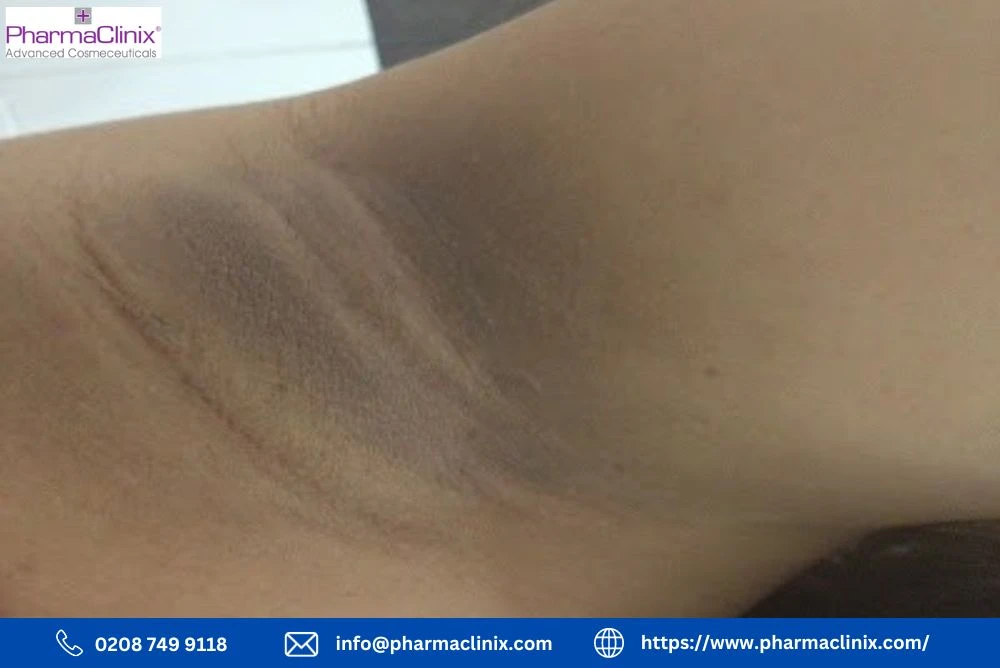
Dark patches in the armpits are areas of skin that look darker than the surrounding skin. This is called underarm hyperpigmentation. It can be temporary or long-lasting.
Some people get dark patches because of daily habits like shaving or wearing tight clothes. Others may have long-term darkening due to medical conditions. These patches can affect personal care routines and make people feel self-conscious. Finding out what causes dark armpits is the first step to treating them.
What Causes Dark Patches in Armpits?
Several factors contribute to underarm discolouration, ranging from skin irritation to medical conditions. Below are the most common causes:
Acanthosis Nigricans – A Common Medical Condition
Acanthosis nigricans is a skin condition that causes thick, velvety dark patches in body folds, including the armpits. It is often linked to insulin resistance, diabetes, obesity, and polycystic ovary syndrome (PCOS).
This condition occurs when high insulin levels stimulate excess melanin production, leading to darker skin. In rare cases, malignant acanthosis nigricans can indicate an underlying cancerous condition, making early diagnosis important.
Skin Pigmentation & Hyperpigmentation
Underarm darkening can result from excess melanin production, triggered by inflammation, irritation, or genetics.
- Post-inflammatory hyperpigmentation (PIH) occurs when the skin produces more melanin in response to irritation, such as frequent shaving or waxing.
- Genetic predisposition plays a role, as some individuals naturally produce more melanin in certain areas.
Dead Skin Cells & Poor Hygiene
The accumulation of dead skin cells in skin folds can make the underarms appear darker. When sweat, oil, and bacteria build up in the area, it can further contribute to discolouration.
Regular exfoliation helps remove dead cells and improves underarm skin tone.
Irritation from Shaving & Ingrown Hair
Shaving can cause micro-cuts, leading to irritation and hyperpigmentation. Razor burns and ingrown hairs create inflamed spots that turn darker over time.
Hair removal creams and waxing can also irritate sensitive underarm skin, leading to long-term pigmentation issues.
Deodorants & Chemical Irritants
Many deodorants contain alcohol, fragrances, and preservatives that trigger skin irritation and darken underarm skin.
- Aluminium-based antiperspirants clog pores and affect skin pigmentation.
- Strong chemicals disrupt the skin barrier, leading to irritation and increased melanin production.
Switching to natural deodorants can help prevent further darkening.
Friction & Skin Folds
Tight clothing can cause constant rubbing, leading to skin irritation and darkening. People with obesity or excessive sweating may experience more severe underarm discolouration due to skin folds trapping moisture and bacteria.
Sun Exposure & Environmental Factors
Although underarms are usually covered, UV rays can still affect pigmentation, especially if people wear sleeveless clothing. Pollution and oxidative stress further contribute to skin discolouration.
Skin Conditions & Medical Causes
Certain skin conditions, including eczema, fungal infections, and hormonal imbalances, can cause underarm darkening. Some medications also trigger pigmentation changes, making it important to consult a doctor if dark patches appear suddenly.
How to Treat Dark Patches in Armpits
Topical Treatments & Medical Solutions
Several dermatological treatments help lighten underarm skin:
- Chemical peels remove darkened layers to reveal brighter skin.
- Retinoids, hydroquinone, and kojic acid reduce melanin production.
- Niacinamide and Vitamin C serums improve skin tone and reduce pigmentation.
Home Remedies for Lightening Underarms
Natural ingredients can help reduce pigmentation and improve underarm skin health:
- Lemon juice and baking soda act as natural exfoliants.
- Turmeric and yoghurt masks brighten the skin.
- Coconut oil and vitamin E provide hydration and repair damaged skin.
Professional Treatments for Stubborn Dark Patches
For severe underarm pigmentation, dermatologists offer:
- Laser therapy, which targets deep pigmentation.
- Microdermabrasion and dermaplaning, which remove dead skin cells.
Preventing Underarm Darkening
Choosing the Right Hair Removal Method
- Waxing and laser hair removal are better alternatives to shaving.
- Avoiding razor bumps and ingrown hairs helps prevent pigmentation.
Skincare Routine for Healthy Underarm Skin
A proper underarm skincare routine can prevent darkening:
- Regular exfoliation removes dead skin cells.
- Moisturising keeps the skin hydrated and prevents irritation.
- Using fragrance-free deodorants reduces chemical exposure.
Lifestyle & Dietary Changes for Skin Health
- Drinking enough water improves skin hydration.
- Eating a nutrient-rich diet helps maintain even skin tone.
- Avoiding processed foods reduces the risk of hyperpigmentation.
When to See a Dermatologist?
While most dark patches in the armpits are harmless, certain signs indicate a need for medical attention:
- Darkening that spreads or worsens despite treatment.
- Unexplained pigmentation changes unrelated to common causes.
- Associated symptoms like itching, swelling, or skin thickening.
A dermatologist can diagnose underlying health issues and recommend appropriate treatments
Frequently Asked Questions (FAQs)
Q: What causes dark patches in the armpits?
A: Dark patches in the armpits can be caused by factors like friction, shaving, deodorants, or medical conditions such as acanthosis nigricans. They can also result from skin irritation or poor hygiene.
Q: How can I treat dark armpits at home?
A: You can use natural remedies like lemon juice, baking soda, and turmeric masks to lighten dark armpits. Regular exfoliation and moisturising also help maintain even-toned skin.
Q: Is it safe to use deodorants with fragrances on dark underarms?
A: Fragrance-filled deodorants can irritate sensitive underarm skin and worsen dark patches. It’s best to use fragrance-free deodorants to avoid further irritation and pigmentation.
Q: When should I see a doctor about dark armpits?
A: If dark patches spread, worsen despite treatment, or are accompanied by other symptoms like itching, swelling, or skin thickening, it’s time to consult a dermatologist for a proper diagnosis.
Q: Can laser treatment help with dark armpits?
A: Yes, laser treatment can target deep pigmentation and significantly lighten dark armpits, especially when other treatments do not work. Consult a dermatologist to explore this option.
Final Thoughts
Dark underarms can be treated effectively once the cause is identified. Whether it’s friction, shaving, or a medical condition like acanthosis nigricans, using the right treatments can significantly improve skin tone.
A gentle and consistent skincare routine helps maintain even-toned underarms. By choosing suitable hair removal methods, using mild skincare products, and making lifestyle changes, it’s possible to prevent future pigmentation issues.

























Sign in to leave a comment.