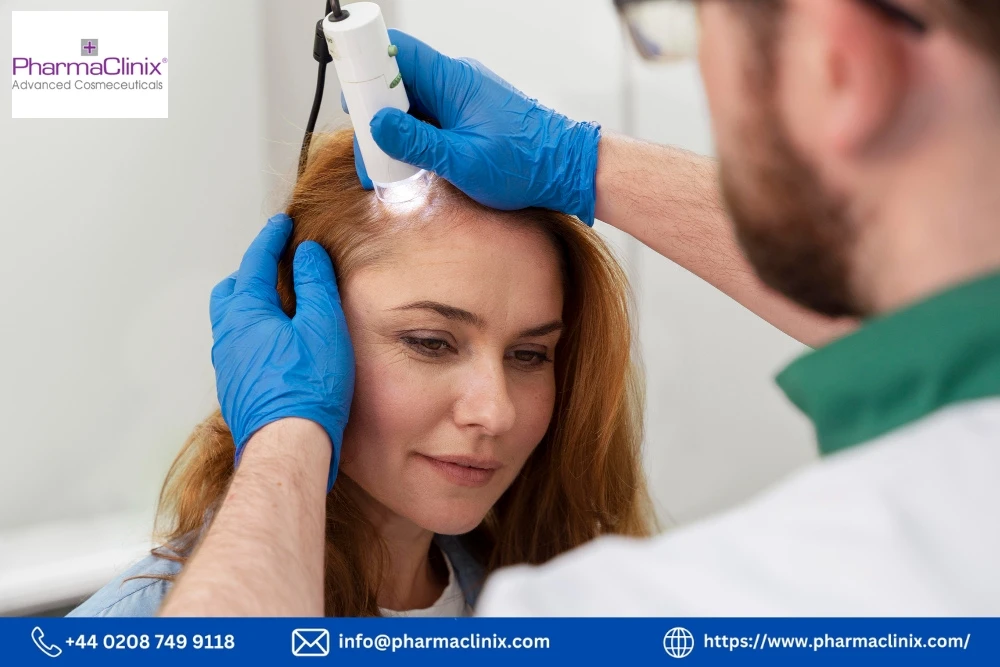

Keratin overproduction leads to a common skin condition called keratosis pilaris, often seen as rough, bumpy skin. The condition occurs when excess keratin builds up in hair follicles, forming tiny, hard plugs. This can affect people of all skin tones, but it’s particularly visible on darker skin. In this article, we will explore the causes, symptoms, and effective treatments for keratin overproduction, with a specific focus on individuals with darker skin tones, offering practical insights for managing the condition.
What is Keratin Overproduction?
Keratin overproduction refers to an excess of keratin, a protein that forms a protective layer on your skin, hair, and nails. In keratosis pilaris, this protein accumulates in hair follicles, blocking them and causing small, raised bumps on the skin. These bumps are often rough and may be red, white, or even dark in appearance. Though harmless, they can be annoying and affect the skin’s texture and appearance.
What Are the Symptoms of Keratin Overproduction?
The most common symptom of keratin overproduction is rough, bumpy skin that appears on areas such as the arms, legs, back, and face. These bumps are typically small, resembling goosebumps or pimples, and can sometimes cause redness or irritation. When keratosis pilaris occurs on darker skin, it may lead to dark spots or post-inflammatory hyperpigmentation. The affected areas are often visible but painless, though they can become inflamed or itchy.
Common Causes of Keratin Overproduction
Several factors contribute to keratin overproduction:
- Genetics: It tends to run in families, with individuals often inheriting the condition.
- Skin Type: People with darker skin tones are more likely to experience keratosis pilaris and may have a greater tendency for hyperpigmentation.
- Hormonal Changes: Fluctuations during puberty, pregnancy, or menopause can trigger or worsen the condition.
- Environmental Factors: Exposure to cold weather, dry air, and harsh skincare products can exacerbate keratosis pilaris.
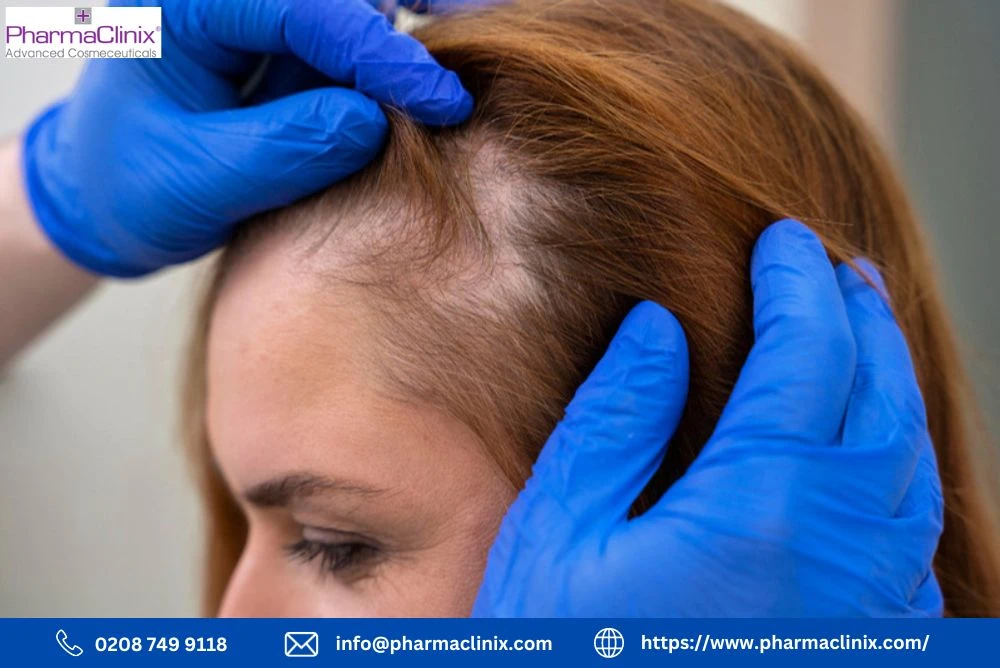
Keratosis Pilaris on Dark Skin: What You Need to Know
Keratosis pilaris on dark skin can be more prominent due to increased melanin levels. The dark spots or bumps that form may be more noticeable and can sometimes lead to hyperpigmentation after inflammation. Individuals with darker skin may face challenges in treating this condition, as the healing process often leads to darkening of the skin. However, with the right treatment, keratosis pilaris dark skin treatment options can help prevent or reduce these dark spots.
Effective Treatments for Keratin Overproduction
While keratin overproduction can’t be fully cured, there are several treatment options to manage and reduce its appearance.
Topical Treatments
- Exfoliation: Exfoliating agents such as salicylic acid, lactic acid, and glycolic acid can help break down the buildup of keratin and smooth the skin’s surface. Regular exfoliation can prevent the recurrence of bumps.
- Retinoids: Topical retinoids can help increase skin cell turnover, preventing keratin from accumulating in the hair follicles.
- Moisturisation: Keeping your skin hydrated with non-comedogenic moisturisers is crucial. Dry skin can aggravate keratosis pilaris.
Medical Treatments
- Laser Therapy: Laser treatments, such as fractional CO2 lasers or pulsed dye lasers, can help reduce dark spots and smooth the skin.
- Chemical Peels: For individuals with darker skin, chemical peels can gently exfoliate and improve skin texture by removing dead skin cells.
- Steroid Creams: For inflamed areas, topical corticosteroids may be prescribed to reduce irritation and redness.
Home Remedies and Lifestyle Changes
There are also some natural remedies and lifestyle changes that can help manage keratosis pilaris.
- Gentle Skincare Routine: Use fragrance-free and gentle skincare products to avoid irritation that can trigger more keratin buildup.
- Natural Oils: Oils like coconut oil, tea tree oil, and olive oil can soften keratin plugs and soothe inflammation.
- Diet and Hydration: Eating a balanced diet rich in vitamins A and E can support skin health. Staying hydrated also helps maintain skin elasticity.
Preventing Keratin Overproduction: Can It Be Avoided?
While keratin overproduction can’t be completely avoided, there are several ways to manage and prevent flare-ups:
- Regular Moisturisation: Hydrating your skin regularly is one of the best ways to prevent keratin buildup.
- Sun Protection: Wearing sunscreen daily can prevent dark spots from worsening.
- Avoid Harsh Chemicals: Skip skincare products with harsh ingredients that can further irritate the skin and exacerbate keratosis pilaris.
Final Thoughts
Keratin overproduction, particularly in individuals with dark or black skin, can lead to persistent conditions such as keratosis pilaris. However, with a consistent and targeted skincare regimen, incorporating regular exfoliation, hydration, and, where appropriate, clinical treatments like retinoids or laser therapy, the appearance of rough texture and dark spots can be significantly improved. For optimal results, seeking guidance from a dermatologist ensures a treatment plan tailored to your skin type and concerns, supporting healthier, clearer skin over time.
Frequently Asked Questions (FAQs)
Q: Does keratin overproduction cause dark spots on black skin?
A: Yes, keratin overproduction can cause keratosis pilaris dark spots, especially on black skin, where inflammation often leaves behind darker patches.
Q: Can keratin overproduction affect the face on dark skin?
A: Yes, keratosis pilaris black skin face cases are common. Bumps often form on cheeks and jawlines, especially in teens and those with dry skin.
Q: Is keratosis pilaris permanent on dark skin?
A: No, while keratosis pilaris on dark skin can last years, regular exfoliation, moisture, and medical care can fade bumps and prevent dark marks.
Q: Can diet reduce keratin overproduction symptoms?
A: Yes, a balanced diet with vitamins A and E supports skin repair and may help reduce keratosis pilaris dark skin symptoms over time.




























Sign in to leave a comment.