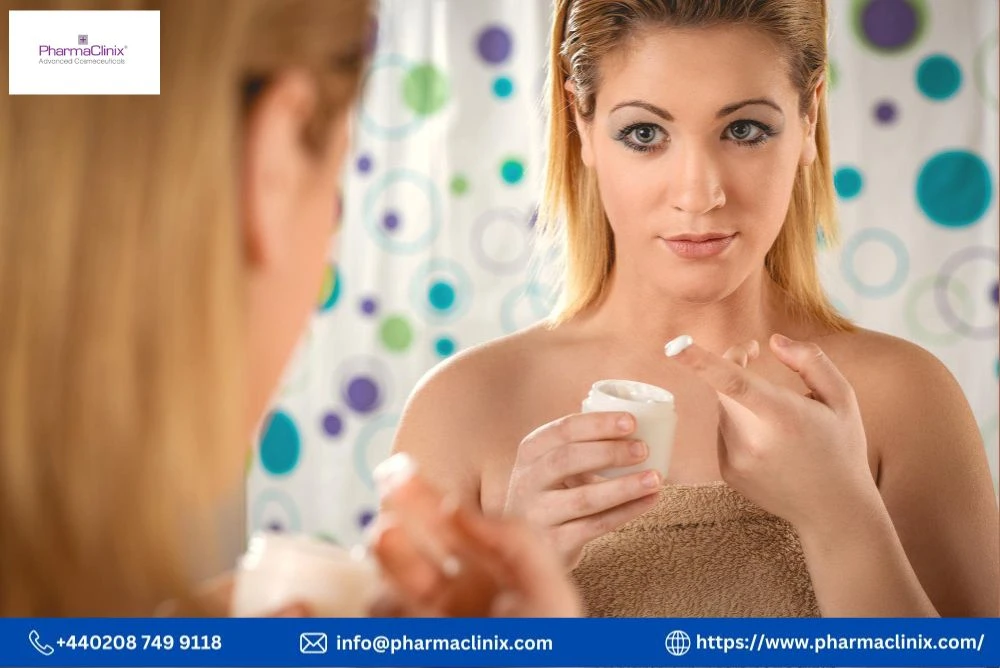
Skin brightening body cream has become a staple in modern skincare for those struggling with hyperpigmentation, melasma, dark spots, or uneven skin tone. Unlike basic body lotions, these creams are powered by active ingredients that not only hydrate but also regulate melanin production, revealing a clearer, more radiant complexion. For many, the challenge lies in choosing a safe, dermatologist-approved formula that matches their skin type. This expert-backed guide explores ingredients, mechanisms, product comparisons, and safety considerations to help you select the right solution.
What is a Skin Brightening Body Cream?
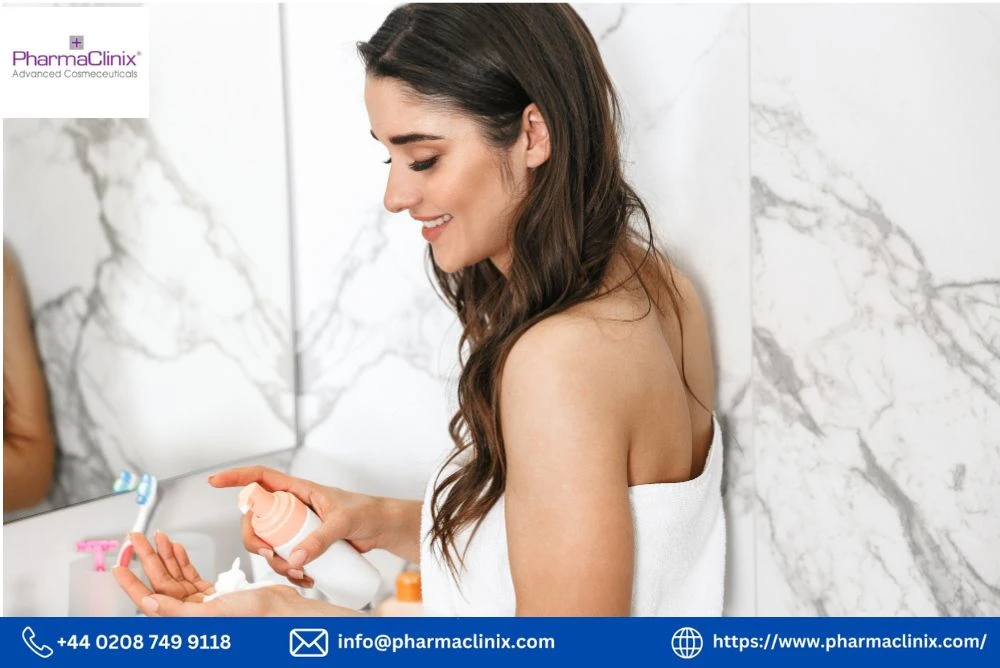
A skin brightening body cream is a specialised moisturiser designed to address hyperpigmentation while nourishing the skin. Unlike ordinary lotions, it includes active ingredients such as vitamin C, niacinamide, kojic acid, or hydroquinone, which specifically target melanin overproduction. These creams work by reducing dark spots, evening tone, and restoring radiance while still keeping skin hydrated. They differ from skin lightening creams, which aim for overall skin whitening, by focusing instead on restoring balance and clarity.
How Does Skin Brightening Body Cream Work on Hyperpigmentation and Dark Spots?
Skin brightening creams work through three main actions: inhibiting melanin production, exfoliating dead skin cells, and repairing UV damage.
- Ingredients such as kojic acid and arbutin block tyrosinase, the enzyme responsible for melanin synthesis.
- AHAs like glycolic acid gently exfoliate, speeding up cell renewal.
- Antioxidants such as vitamin C repair oxidative damage caused by sun exposure and pollution.
By combining these effects, consistent use can fade post-inflammatory hyperpigmentation (PIH), melasma, and stubborn sunspots over time. Dermatologists emphasise patience, as visible improvement usually requires 6–12 weeks.

Best Skin Brightening Ingredients Dermatologists Recommend
Vitamin C – Potent Antioxidant for Radiance
Vitamin C brightens by neutralising free radicals and inhibiting melanin production. It also stimulates collagen, giving skin a firmer, healthier glow. Dermatologists recommend stabilised forms like ascorbic acid for effectiveness.
Niacinamide (Vitamin B3) – Gentle Brightener for Sensitive Skin
Niacinamide reduces pigmentation and redness while strengthening the skin barrier. It is well-suited to sensitive or acne-prone skin because it regulates oil without irritation.
Kojic Acid & Alpha Arbutin – Effective for Stubborn Pigmentation
Kojic acid, derived from fungi, is proven to reduce melanin, while alpha arbutin, sourced from plants, is a safer alternative to hydroquinone. Together, they effectively fade stubborn dark spots and sun damage.
Licorice Root & Glutathione – Natural Brightening Agents
Licorice extract calms inflammation and reduces pigmentation naturally, while glutathione offers systemic antioxidant defence, making them popular in gentle brightening formulations.
Hydroquinone – Dermatologist-Prescribed, but with Cautions
Hydroquinone is the most potent brightening agent, often prescribed for melasma. However, due to risks of irritation and overuse, it should only be used under dermatologist supervision and is restricted in many countries.
Which Skin Concerns Can Skin Brightening Body Cream Address?
Melasma and Hormonal Pigmentation
Brightening creams with hydroquinone, arbutin, or niacinamide can lighten melasma patches by regulating pigment cells.
Acne Scars and Post-Inflammatory Hyperpigmentation
PIH caused by acne or eczema often responds well to vitamin C, niacinamide, and gentle exfoliating acids.
Uneven Skin Tone and Sun Damage
Daily use of creams with kojic acid or licorice extract helps reverse sun-induced pigmentation while maintaining hydration.
How to Choose the Best Skin Brightening Body Cream for Your Skin Type?
For Dry Skin – Hydrating and Nourishing Formulas
Look for creams enriched with shea butter, ceramides, and hyaluronic acid alongside brightening actives.
For Oily or Acne-Prone Skin – Lightweight, Non-Comedogenic Options
Choose water-based or gel formulations with niacinamide and vitamin C to avoid clogged pores.
For Sensitive Skin – Gentle Niacinamide and Natural Extracts
Opt for fragrance-free creams featuring licorice root or niacinamide to reduce irritation risks.
For Combination Skin – Balanced Hydration and Brightening
Use a formula that blends hydrating oils with lightweight antioxidants, keeping both dry and oily areas balanced.
Why is SPF Protection Important in a Skin Brightening Body Cream?
SPF is essential because UV rays worsen pigmentation and undo progress from brightening agents. Dermatologists recommend using a body cream with SPF 30 or higher, or layering a sunscreen on top. Without UV protection, melanin continues to form, making brightening efforts ineffective.
Popular Skin Brightening Body Creams Compared
Kojie San – Kojic Acid-Based Brightening Cream
Favoured for its kojic acid formula, Kojie San targets stubborn dark spots but may feel drying on sensitive skin.
Vaseline – Affordable Moisturising and Brightening Blend
Vaseline offers budget-friendly brightening lotions with niacinamide and vitamin B3, suitable for daily use.
Olay and Nivea – Dermatologist-Endorsed Daily Brightening Lotions
Olay’s vitamin C-infused body creams and Nivea’s even-tone range are widely dermatologist-recommended for safe, long-term use.
How to Use Skin Brightening Body Cream for Best Results?
For best results:
- Apply daily, ideally morning and evening.
- Always patch test before full application.
- Layer with sunscreen during the day.
- Avoid overuse to prevent irritation.
- Consistency is key—results typically appear in 8–12 weeks.
Are Skin Brightening Body Creams Safe? Expert Opinions & Precautions
Most brightening creams are safe when used correctly. Risks include mild irritation, dryness, or allergic reaction. Hydroquinone should only be used under medical supervision due to potential long-term effects. Always check for dermatologist-tested or FDA-approved claims before purchase.
What are the Benefits of Using Skin Brightening Body Cream for Melasma?
Melasma is notoriously difficult to treat. Brightening creams with hydroquinone, niacinamide, and arbutin can reduce its severity by slowing pigment production and evening tone. When combined with strict sun protection, results can be maintained long-term under dermatologist guidance.
Final Thoughts
A skin brightening body cream can fade dark spots, melasma, and uneven tone when chosen wisely. Look for dermatologist-recommended ingredients like vitamin C, niacinamide, or arbutin, matched to your skin type. Always pair usage with SPF and patch testing. For severe pigmentation, consult a dermatologist before starting hydroquinone. With patience and consistency, a brighter, balanced complexion is achievable.
FAQs on Skin Brightening Body Cream
Can I use skin brightening cream daily?
Yes, most formulas are safe for daily use, provided you patch test and follow instructions.
How long does it take to see results?
Typically 6–12 weeks with consistent use.
Is natural brightening safer than chemical formulas?
Natural extracts are gentler but may work slower than actives like hydroquinone.
Can men use skin brightening body creams?
Absolutely—these creams are unisex and suitable for all skin types.




























Sign in to leave a comment.