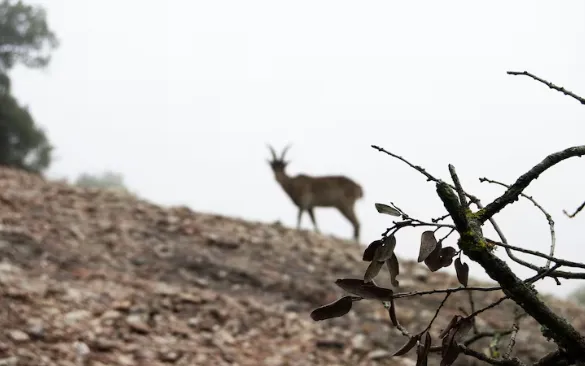

Setting up the perfect stand can make or break your hunting season. Many hunters struggle not because of skill, but because of poor positioning and planning. This guide breaks down the best strategies for optimizing your tree stand setup so you can increase visibility, improve scent control, and maximize your chances during deer hunting.
You will learn proven placement tactics, examples, and practical tips used by experienced hunters. Whether you hunt private farms or rugged terrain, mastering your setup gives you a serious advantage and transforms every outing into a calculated opportunity instead of a guessing game.
The Problem with Poor Tree Stand Placement
Many hunters underestimate how much poor positioning impacts success. A poorly placed tree-mounted stand often results in limited visibility, bad wind alignment, and increased deer awareness. Studies from state wildlife agencies show that over 60% of unsuccessful hunts are tied to location and setup issues rather than a lack of deer activity. When hunters ignore terrain features like bedding areas, feeding zones, and travel corridors, they end up sitting in low-traffic areas.
This leads to frustration and wasted time. Success is rarely about luck when hunting deer. It is about stacking the odds in your favor through smart decisions. Another major issue is entry and exit routes. Hunters often alert deer before even reaching their stand. This creates pressure that can shift deer movement patterns entirely, especially on pressured land.
What is a Tree-Mounted Stand Setup
A proper deer stand setup is more than just climbing a tree and waiting. It involves selecting the right location, height, wind direction, and concealment strategy. It also includes planning how you approach and leave the area without being detected. There are three main types of setups:
- Hang-on stands for flexibility
- Climbing stands for mobility
- A ladder stands for stability
Each has its own advantages depending on terrain and hunting style. Experienced hunters often rotate between multiple setups based on wind conditions and deer movement patterns. A complete setup also considers shooting lanes. Clearing minimal brush ensures visibility without disturbing the natural environment too much.
Benefits of a Strategic Setup
A well-planned setup dramatically increases your chances of success. Hunters who prioritize positioning consistently report higher sightings and better shot opportunities. Key benefits include:
- Improved visibility across travel corridors
- Better scent control using wind direction
- Increased shot accuracy due to proper height
- Reduced detection by deer
Research from the Quality Deer Management Association shows that hunters who adjust their setups based on wind direction see up to 40% higher success rates. Even small adjustments like moving your stand 20 yards can significantly change outcomes. Strategic placement turns random encounters into predictable patterns.
Cost Savings and Efficiency
Investing time in the right strategy saves money in the long run. Many hunters spend hundreds on gear upgrades when the real issue is poor placement. Instead of buying more equipment, optimizing your setup improves efficiency. You spend less time scouting blindly and more time in productive locations.
For example, hunters who map deer movement using trail cameras and adjust their setups accordingly reduce wasted hunts by nearly 30%, according to multiple outdoor studies. During a deer hunt, efficiency matters. Limited seasons mean every hunt counts, and a better setup ensures you maximize each opportunity.
Before vs After Setup Comparison
| Factor | Poor Setup | Optimized Setup |
| Visibility | Limited | Wide shooting lanes |
| Wind Advantage | Random | Controlled and planned |
| Deer Encounters | Low | High probability |
| Hunter Movement | Noisy | Silent and strategic |
| Success Rate | Inconsistent | Predictable improvement |
This table highlights how small changes can lead to significant improvements. Hunters who refine their approach consistently outperform those who rely on guesswork.
Applications and Examples
In Kansas, many outfitters report that stand placement near transition zones between bedding and feeding areas produces the highest success rates. These zones act as natural funnels where deer movement is predictable. A case study from Midwest Whitetail showed that repositioning stands based on wind direction increased sightings from 2 deer per hunt to over 6 deer per hunt within two weeks.
Another example involves hunters adjusting setups during the deer hunting season. Early season setups near food sources shift to rut-focused locations near travel corridors. This adaptability is key to consistent success. On public lands, pressure plays a huge role. Hunters who place stands deeper into less accessible areas often encounter mature bucks.
Improving Hunter Success and Retention
Success breeds confidence. Hunters who consistently see deer are more likely to stay engaged in the sport. A well-placed stand contributes directly to positive experiences. Guided outfitters often emphasize setup as the number one factor for client success.
By placing hunters in optimal locations, they increase harvest rates and customer satisfaction. Retention matters for the future of the sport. Teaching new hunters proper setup techniques ensures they have rewarding experiences early on.
Challenges Without Proper Setup
Without a strategic approach, hunters face several challenges:
- Deer detecting scent and avoiding areas
- Limited shooting opportunities
- Increased frustration and burnout
Poor setups also lead to unsafe situations, such as unstable positioning or obstructed shooting lanes. In heavily pressured areas, deer quickly adapt. Without adjusting your setup, you may see fewer deer each season. This is why mastering stand placement is essential for long-term success.
Future Trends in Tree Stand Hunting
Technology is shaping the future of tree perch stand strategies. Hunters now use GPS mapping tools, wind-check apps, and trail cameras to make data-driven decisions. Drones and advanced scouting tools are also becoming more common, allowing hunters to analyze terrain without disturbing the area. In deer hunting, the trend is moving toward precision. Instead of relying on instinct alone, hunters combine experience with technology to optimize every aspect of their setup.
Key Takeaways
- Proper placement is more important than expensive gear.
- Wind direction is a critical factor in success.
- Transition zones offer the best opportunities.
- Adjust setups throughout the season.
- Public land hunting requires deeper, less obvious locations.
Final Verdict
A successful hunt starts long before you climb into your stand. By focusing on positioning, wind, and strategy, you turn uncertainty into opportunity, an approach trusted by experienced outfitters like Hartland Whitetails. The difference between an average hunter and a consistently successful one often comes down to preparation. Mastering your setup allows you to anticipate deer movement and make smarter decisions in the field. With the right approach, every hunt becomes more productive and rewarding, just as proven through real-world guided hunting experiences.
FAQs
- What is the best height for an elevated shooting platform?
Most experts recommend 15 to 25 feet. This range balances visibility and scent control without compromising safety.
- How important is wind direction in a deer hunt?
It is critical. Deer rely heavily on scent, and ignoring wind direction can ruin even the best setup.
- How often should I move my stand?
Adjust based on deer movement and seasonal changes. Flexibility increases success rates.
- Can beginners use climbing stands effectively?
Yes, but they require practice. Safety and proper technique are essential before hunting.
- What is the biggest mistake hunters make?
Poor placement. Many hunters focus on gear instead of location, which is the most important factor.



















Sign in to leave a comment.