

It usually starts with a date on the calendar.
A reminder that your next CVIP inspection is coming up.
And suddenly, everything feels louder. That slight vibration. That brake response feels just a bit delayed. The warning light you meant to check last week.
If you manage or operate heavy trucks, you already know this moment. It is not just about passing an inspection. It is about avoiding downtime, costly repairs, and unexpected failures on the road.
This guide breaks it down simply. What inspectors actually look for. What most fleets miss. And how to prepare your heavy duty truck inspection the right way so nothing catches you off guard.
Key Takeaways
- CVIP inspection success comes from consistent prep, not last-minute fixes
• Small overlooked issues often cause the biggest delays
• Preventive maintenance saves more than reactive repairs
• A structured checklist keeps your fleet inspection ready year-round
What Is a CVIP Inspection and Why Does It Matter
A CVIP inspection is a regulated safety inspection required for commercial vehicles operating in provinces like Alberta and British Columbia.
In simple terms, it is a full mechanical and safety check to ensure your truck is roadworthy.
Failing it does not just mean repairs. It can mean:
• Downtime
• Compliance penalties
• Lost contracts
• Safety risks
Passing it means your truck is safe, compliant, and ready to operate without interruption.
What Do Inspectors Actually Check
Most drivers assume inspections focus only on obvious mechanical parts. But a proper heavy duty truck inspection goes much deeper.
Here is a simplified breakdown of what inspectors evaluate
1. Braking System
- Air pressure levels
• Brake pad condition
• Leak detection
• Response time
2. Steering and Suspension
- Loose components
• Worn bushings
• Alignment issues
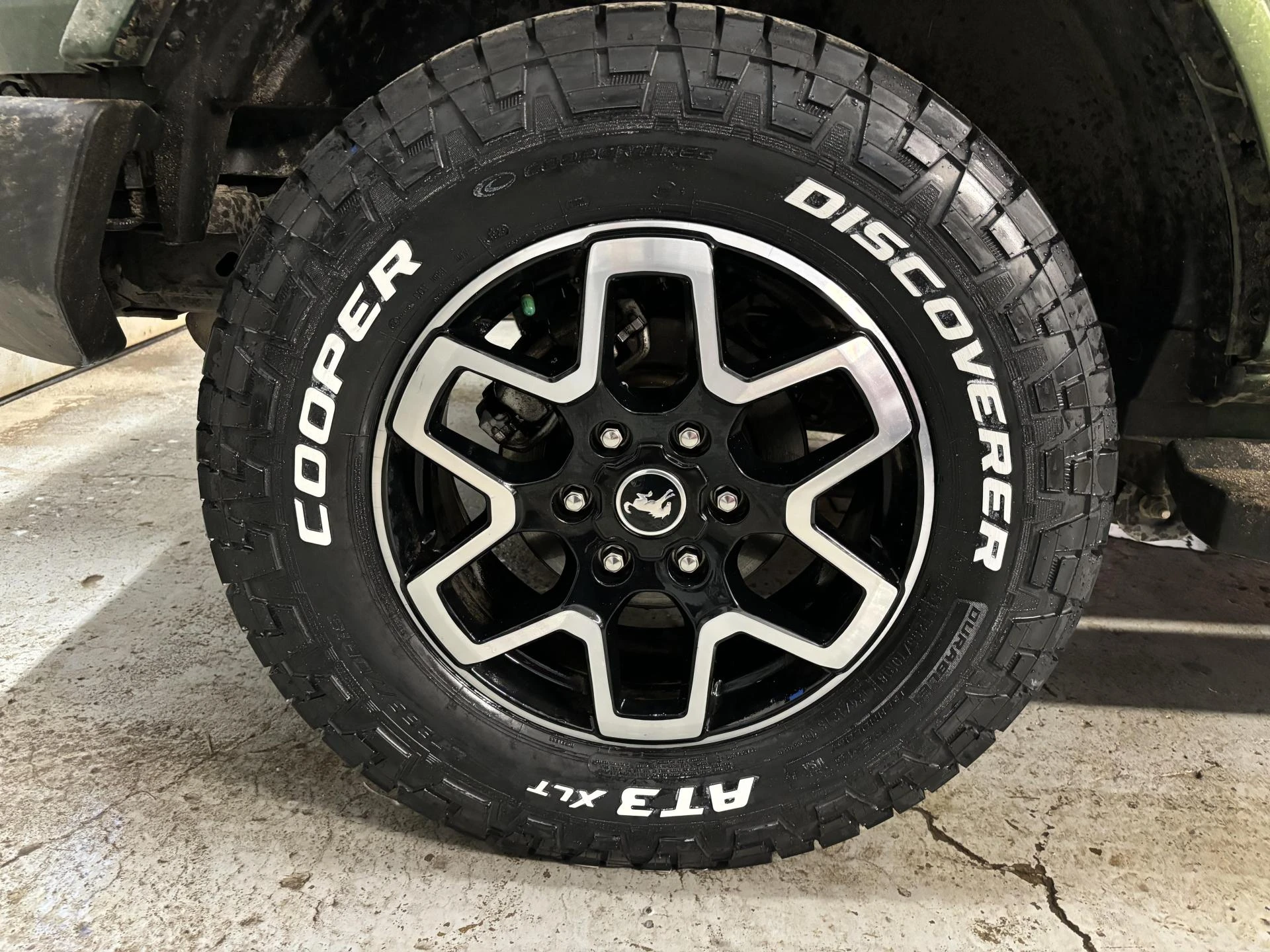
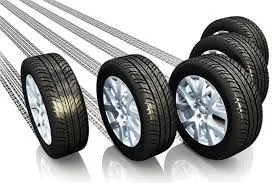
3. Tires and Wheels
- Tread depth
• Sidewall damage
• Proper inflation
4. Lighting and Electrical
- Headlights and indicators
• Brake lights
• Wiring condition
5. Engine and Drivetrain
- Fluid leaks
• Engine performance
• Exhaust system
6. Frame and Body
- Structural integrity
• Rust or cracks
• Mounting security
A truck can fail for something as small as a faulty light or as serious as brake failure.
Source: Government of Alberta, Vehicle Inspection Program – Manuals
https://www.alberta.ca/vehicle-inspection-program-manuals
The 5 Pre-Inspection Frameworks That Work
If you want a repeatable way to pass every CVIP inspection, use this simple system
1. Start With a Full Walkaround
Do not rush this. Look for:
• Leaks under the truck
• Visible damage
• Tire irregularities
2. Check All Fluids
This includes:
• Engine oil
• Coolant levels
• Transmission fluid
Ignoring fluids is one of the most common reasons trucks fail inspection.
3. Test Brakes and Air System
Listen closely. Feel the response. Watch for pressure drops.
4. Inspect Lights and Electricals
Turn everything on. Do not assume they work just because they worked yesterday.
5. Run a Short Test Drive
Pay attention to:
• Vibration
• Steering pull
• Brake response
This step often reveals issues you cannot see.
Mid-Inspection Reality Check: What Most Fleets Get Wrong
| Area | Common Mistake | Better Approach |
| Brakes | Only checking pads | Test the full air system and response |
| Fluids | Checking levels only | Look for contamination and leaks |
| Tires | Visual check only | Measure tread and inspect sidewalls |
| Electrical | Ignoring wiring | Inspect connections and corrosion |
| Maintenance timing | Last-minute fixes | Scheduled preventive maintenance |
Why Preventive Maintenance Beats Inspection Prep
There is a quote often shared in operations circles
“An ounce of prevention is worth a pound of cure.” – Benjamin Franklin
This applies perfectly to truck inspections.
Waiting until inspection week creates pressure and increases the chance of failure.
Instead:
• Schedule routine checks monthly
• Track recurring issues
• Replace worn components early
This turns inspection from a stressful event into a routine formality.
The Hidden Areas That Cause Failed Inspections
Even well-maintained fleets fail inspections because of small, overlooked details.
Cooling System Issues
A neglected cooling system can lead to overheating and engine damage.
A proper cooling system flush ensures:
• Clean coolant flow
• Stable engine temperature
• Reduced risk of breakdown
Transmission Performance
Transmission problems often start subtly.
Dirty or degraded transmission fluid can cause the following:
- Slipping gears
• Delayed shifting
• Internal wear
Inspectors notice performance inconsistencies quickly.
Air Leaks
Tiny leaks in the air brake system can lead to failure.
You might not hear them easily, but inspectors will detect them.
A Real-World Fleet Scenario
Picture this.
A mid-sized fleet schedules its heavy-duty truck inspection two days before a major contract delivery.
Everything looks fine at first glance.
But during inspection:
• One truck fails due to air brake leakage
• Another fails due to worn suspension bushings
• A third fails due to faulty taillights
Three trucks are out of service.
Missed delivery window. Lost revenue. Emergency repairs at a higher cost.
Now imagine the same fleet running monthly checks.
Those issues would have been caught early.
That is the difference between reactive and proactive operations.
What Happens If You Fail a CVIP Inspection
Failing a CVIP inspection is not the end, but it creates immediate consequences
- Required repairs before reinspection
• Operational delays
• Additional inspection fees
• Potential compliance risks
The key is minimizing surprises.
How Often Should You Prepare for an Inspection
Preparation should not be annual.
It should be ongoing.
Recommended Routine
- Weekly quick checks
• Monthly detailed inspections
• Quarterly full system reviews
This keeps your fleet inspection ready at all times.
Passing Is About Consistency
A successful CVIP inspection is not about luck.
It is about habits.
Small checks are done regularly. Systems that catch issues early. A mindset that prioritizes safety and reliability.
When your truck is maintained properly, inspection day becomes just another day.
If your fleet needs support with inspection readiness, maintenance, or diagnostics, Adams Heavy Duty Contracting Ltd can help you stay compliant and road-ready.
FAQs
What is a CVIP inspection?
A CVIP inspection is a certified safety check required for commercial vehicles to ensure they meet road safety and compliance standards.
How can I prepare for a heavy-duty truck inspection
Follow a routine that includes checking fluids, brakes, tires, and lights and running a short test drive before inspection day.
What are the most common reasons trucks fail CVIP inspections
Common reasons include brake issues, fluid leaks, worn tires, faulty lights, and air system leaks.
How long does a CVIP inspection take
It usually takes a few hours, depending on the truck's condition and the inspection scope.
Is preventive maintenance necessary for passing inspection
Yes, regular maintenance reduces the risk of failure and helps keep your truck inspection ready at all times.


























Sign in to leave a comment.