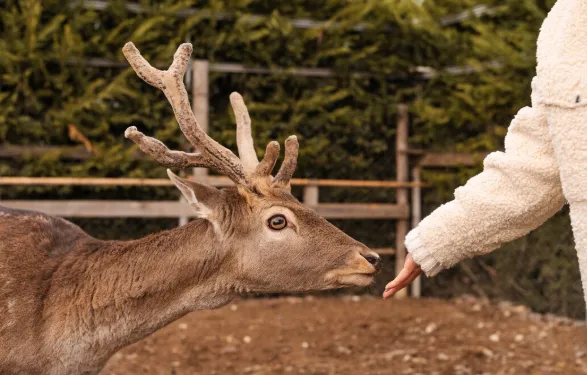

It usually starts in a moment that feels almost too quiet. You’re tucked into the edge of a thicket, the kind most people would walk past without a second thought. The wind brushes your cheek. Somewhere behind you, a creek trickles, and then, movement. Not loud or rushed, just enough to make you pause.
You’ve probably felt that moment before. The question is… do you know what you’re actually looking at? As spotting a trophy whitetail in the wild isn’t just about antlers. It’s about understanding behavior, terrain, and subtle patterns that most hunters miss entirely.
What Actually Defines a Trophy Whitetail?
A trophy whitetail deer isn’t just a deer with big antlers. It’s a mature animal, usually older, more cautious, and deeply in tune with its environment. These deer don’t survive by accident. They survive by choosing the right ground, the right wind, and the right moments to move.
As conservationist Aldo Leopold once said: “A peculiar virtue in wildlife ethics is that the hunter ordinarily has no gallery to applaud or disapprove of his conduct.” That means the real reward isn’t just the harvest, it’s understanding the animal on its own terms.
Where Do Trophy Bucks Actually Spend Their Time?
Most hunters assume big deer hide deep in thick cover. That’s only half true. Mature bucks, especially a big buck, prefer edges of cover, not the middle. They choose bedding locations where they can:
- See long distances ahead
- Keep the wind at their back
- Escape quickly into thicker terrain
Think about it like this: if you were constantly hunted, would you sit in the middle of nowhere, or position yourself where you can detect danger early?
How Can You Recognize a Trophy Whitetail Before You See Antlers?
Here’s the part most hunters overlook. You often identify a trophy white-tailed deer before you see it through signs.
Quick Identification Checklist
- Large, well-defined bedding areas near edges
- Tracks that are wider and deeper than average
- Rubs on thicker trees at higher heights
- Movement patterns that avoid open exposure
- Consistent use of wind-favorable terrain
This is where many hunters miss opportunities. They wait for visual confirmation instead of reading the landscape first.
The Wind Tells You More Than Your Eyes
If there’s one thing that separates consistent hunters from lucky ones, it’s wind awareness. A big buck doesn’t rely on sight alone. It trusts its nose first. Using tools like drifting particles (milkweed, for example), you can actually see how your scent travels through terrain:
- Over ridges
- Down valleys
- Around obstacles
This gives you a predictive advantage. You’re no longer guessing, you’re anticipating.
The 3-Part Method for Identifying a Trophy Buck
Instead of guessing, experienced hunters follow a simple framework:
1. Location First
Look for edge bedding near:
- Water
- Food sources
- Natural escape routes
2. Wind Advantage
Ask yourself:
- Where would the deer sit to smell danger?
- Where would it move without being detected?
3. Movement Timing
Mature deer:
- Move less during daylight
- Appear in short, calculated windows
- Often rise from bedding mid-morning or late evening
When all three align, you’re likely dealing with a record-class whitetail.
Common Mistakes
| Mistake | Better Approach |
| Hunting random thick areas | Focus on edges with visibility |
| Ignoring wind shifts | Track thermals in real time |
| Leaving after spooking deer | Reposition based on movement |
| Waiting for visual proof | Read terrain and signs first |
What Happens When You Spook a Big Buck?
Here’s something most hunters get wrong. Spooking a large buck doesn’t always ruin your hunt. In fact, it can give you critical information. Mature bucks often:
- Run to the next available cover
- Settle down within hours
- Return to similar bedding patterns
If the deer didn’t smell you, you’re still in the game. This shifts your mindset from frustration to strategy.
A Familiar Scenario Most Hunters Experience
You’re walking into a spot you thought was quiet. Suddenly, a deer explodes out of cover. Your heart drops, and you assume it’s over, but here’s what’s actually happening. That deer likely moved to:
- Another nearby bedding edge
- A similar terrain feature
- A location with the same wind advantage
The next move isn’t to leave, it’s to think.
Why Experience Matters More Than Equipment
Gear helps, but awareness wins. A mature whitetail buck isn’t outsmarted by better equipment. It’s outsmarted by better understanding. The hunters who succeed consistently aren’t just lucky. They:
- Read terrain like a map
- Anticipate wind behavior
- Recognize subtle patterns
They also stay patient, most importantly.
Key Takeaways
- A mature whitetail buck is identified as much by behavior and habitat as by antler size.
- Mature bucks prefer edge bedding with visibility, wind advantage, and escape routes.
- Wind direction and thermals often reveal more than visual scouting.
- Spooking a mature buck doesn’t always end your chances; it can reveal its pattern.
It’s Not Just About the Deer
Identifying a premium whitetail deer is about something deeper; it’s about slowing down, paying attention to the land, the wind, and the quiet signals most people ignore. This level of awareness transforms the hunt into something far more meaningful for those seeking a more personal, high-quality hunting experience in Kansas. When that moment finally comes, the one where everything aligns, you’ll know it wasn’t luck, it was understanding.
If you’re looking for a private, guided hunting experience that prioritizes quality over crowding, brands like Hartland Whitetails offer exactly that. With exclusive Kansas land, personalized guidance, and a focus on authentic outdoor tradition, the experience is built for hunters who want more than just a hunt.
FAQs
- What makes a premium whitetail deer?
A good trophy white-tailed deer is typically mature, cautious, and strategically uses terrain and wind to avoid danger, not just one with large antlers.
- What are the best practices for spotting a big buck?
Focus on edge habitats, track wind direction, and look for consistent movement patterns rather than relying only on visual sightings.
- How to identify deer bedding areas?
Look for slightly elevated edges near thick cover with visibility, wind advantage, and nearby food or water sources.
- When to hire guided hunting services?
When you want access to private land, local expertise, and a more structured, efficient whitetail hunting experience.
- What services do hunting outfitters offer?
They provide guided deer and turkey hunts, lodging, and access to private Kansas hunting land.





















Sign in to leave a comment.