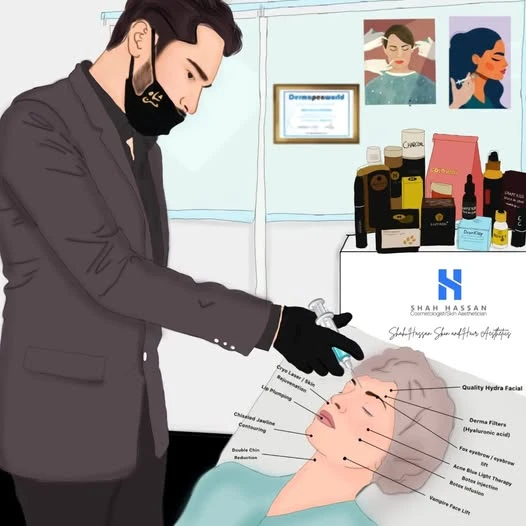

Hyperpigmentation—dark patches stemming from sun exposure, hormonal shifts, or skin injury—is a persistent cosmetic concern. Across major Pakistani cities like Karachi, Lahore, and Islamabad, dermatology-forward aesthetic clinics now offer scientifically backed treatments. Here are five of the most reliable options:
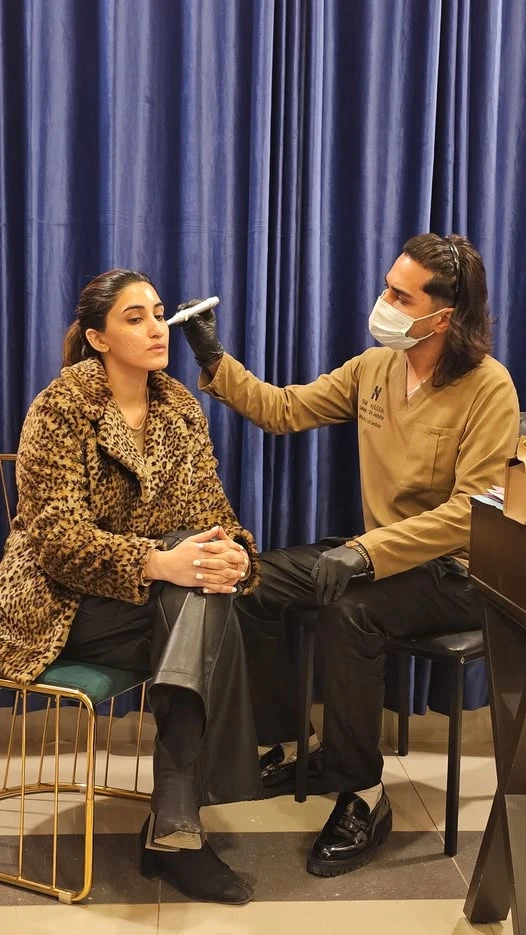
1. Q-Switched / Pico / Nd:YAG Laser Toning
- How it works: Delivers focused laser energy to target melanin granules, gently breaking them down without harming surrounding skin.
- Why it works: Multiple light passes allow natural pigment cleanup; great for melasma and post-inflammatory hyperpigmentation.
- In Pakistan: Clinics in Lahore and Karachi (including Shah Hassan’s) report quicker visible lightening in 6–8 sessions with minimal downtime.
- Best for: Stubborn melasma and age spots in deeper skin types (Fitzpatrick IV–V).
2. Microneedling‑Radiofrequency (RF)
- How it works: Tiny needles combined with RF energy stimulate collagen and trigger skin renewal; melanin is gradually reduced during the repair process.
- Why it works: RF enhances results by penetrating deeper than standard microneedling while keeping treatment gentle.
- On the ground: Shah Hassan’s clinic uses top-end devices to deliver controlled energy—clients often see smoother, brighter skin in 3–5 sessions.
- Ideal for: Mixed hyperpigmentation, texture irregularities, and acne scars.
3. Chemical Peels – TCA, Jessner’s, Mandelic, Salicylic
- How they work: Peel agents slough off the top pigmented layers and promote turnover of healthy new skin.
- Why they work: When customized in strength and layering, peels can balance melanin production.
- Local protocol: Shah’s clinic uses light-to-medium-depth peels monthly—clients observe visible brightening and smoother tone within 2–3 sessions.
- Ideal for: Surface-level pigmentation and early melasma.
4. Platelet‑Rich Fibrin (PRF) Facials
- How it works: Client’s blood is spun down to extract platelet-rich fibrin, loaded with growth factors, then applied via microneedling or dermal jets.
- Why it works: PRF boosts natural healing and melanin regulation, especially alongside other treatments.
- Usage in Pakistan: Shah Hassan pairs PRF with microneedling or low‑energy lasers, claiming better glow and balanced tone after just 1–2 sessions.
- Ideal for: Hyperpigmentation plus dullness and uneven texture.
5. Combination Treatment Plans
- Rationale: No single treatment “cures” hyperpigmentation. Combining modalities addresses pigment at all depths.
- Typical protocol:
- Medical-grade topical prep (e.g., azelaic acid, peptides) for 2 weeks pre-treatment
- Session 1: Laser toning
- Session 2: Repeats + microneedling‑RF
- Follow-up: Monthly peels + PRF topper
- On the ground: Pakistani clients following a blended approach at Shah Hassan’s clinic experience longer-lasting results and better maintenance between sessions.
- Ideal for: Moderate-to-severe and hormonal hyperpigmentation.
Why These Treatments Matter in Pakistan
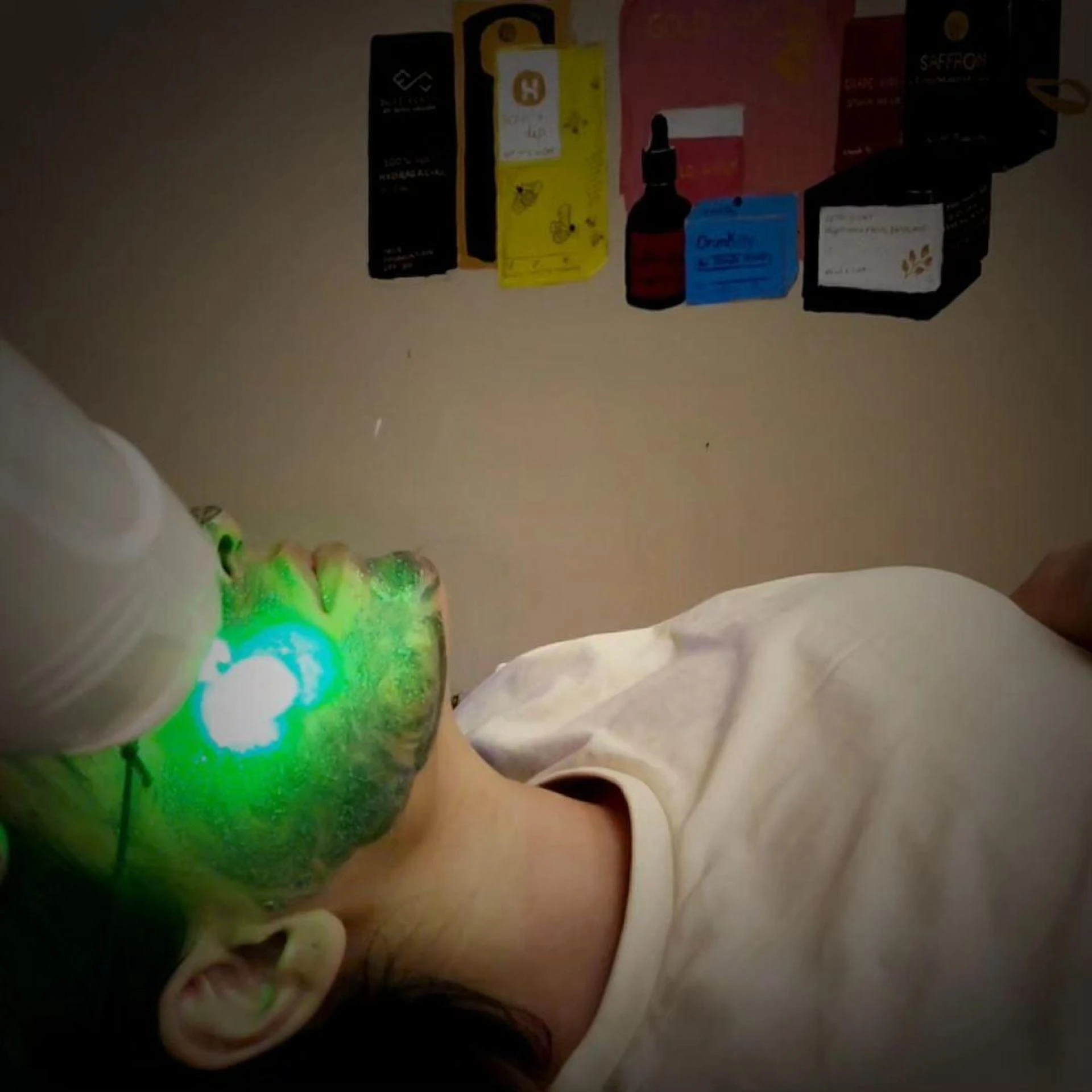
- High sun exposure in the region accelerates pigmentation—science-backed treatments can proactively address damage.
- Darker skin types (Fitzpatrick IV–VI) must avoid aggressive lasers; these modalities minimize risk of post-inflammatory hyperpigmentation (PIH).
- Local clinical success: Aesthetic centers in Karachi and Islamabad—like Shah Hassan’s—use international best practices, delivering visible results while respecting local skin profiles.
Final Word
In Pakistan’s modern aesthetic landscape, laser toning, microneedling-RF, chemical peels, PRF, and blended regimens offer powerful and safe pigmentation solutions. Under skilled hands—like Shah Hassan’s—these treatments are curated based on skin tone, condition, and regional exposure, yielding vibrant, even skin with minimal downtime.

























Sign in to leave a comment.