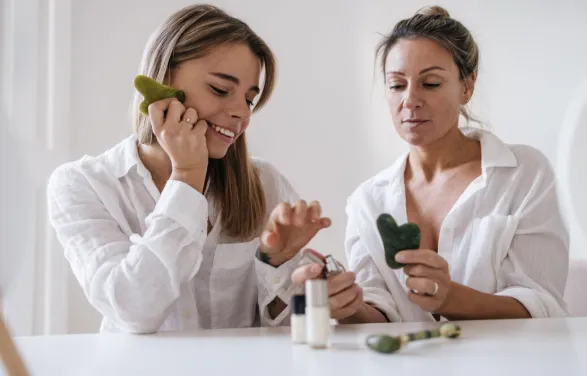

A bathroom shelf can tell a quiet story. One jar promises smoother lines. Another serum talks about bounce, firmness, and glow. A person looks in the mirror, notices texture near the cheeks, a crease that stays after smiling, or dryness that was not there before, and wonders which ingredient deserves a real place in the routine.
That is why peptides vs retinol has become such a common skincare question. Both are linked with aging skin. Both can support a smoother look. Both show up in creams and serums. Yet they do not work the same way, and choosing between them is less about chasing the strongest ingredient and more about understanding what the skin is asking for.
Key Takeaways
- Retinol is usually better for texture, dullness, and visible photoaging.
- Peptides are often gentler for firmness, barrier support, and sensitive routines.
- Many people do better with one ingredient first, not both at once.
- The best choice depends on tolerance, dryness, goals, and consistency.
Why This Comparison Feels Confusing
Anti-aging skincare is crowded with strong claims. Retinol is often called the serious ingredient. Peptides are often described as supportive and soothing. That makes the choice sound simple, but real skin is rarely simple.
A person may want fewer fine lines but also struggle with redness. Someone else may want brightness but already has a dry skin barrier. Another may have used an active product too quickly, felt stinging, then quit before seeing any benefit.
The deeper question is not “Which ingredient wins?” It is “Which ingredient matches the skin’s current condition?”
Wrinkles, firmness, rough texture, dryness, and uneven tone can come from different skin patterns. Sun exposure is a major part of visible aging. One peer-reviewed review describes ultraviolet irradiation as accounting for 80 percent of skin ageing, commonly called photoaging.
That is why sunscreen, patience, and barrier care matter as much as the ingredient choice.
Peptides Vs Retinol In Simple Terms
Retinol is a vitamin A-related ingredient that encourages surface skin renewal and supports collagen. Peptides are short chains of amino acids that can act like signals or helpers in the skin.
The simple answer: retinol is usually the more active resurfacing choice, while peptides are usually the more comfort-focused support choice. Retinol pushes renewal. Peptides guide repair, firmness, and resilience.
The American Academy of Dermatology explains that retinoids can speed surface cell turnover, boost collagen, improve tone, and reduce fine lines and wrinkles. Mayo Clinic also notes that retinol, a milder retinoid, is used in skincare to help smooth wrinkles and reduce discoloration, while irritation may happen and often lessens over time.
Peptides sit in a different lane. Research reviews describe peptides as active ingredients that may support collagen synthesis, skin cell activity, and inflammation-related pathways.
What Each Ingredient Does Differently
Retinol Works Like A Skin Reset
Retinol encourages the skin to behave with more renewal. That can help when skin looks dull, uneven, rough, or marked by fine lines. It is often used at night because it can make skin more sensitive and requires a careful routine.
For many people, retinol feels like a serious step because it can create a transition period. Dryness, flaking, tightness, or mild irritation may appear when too much is used too soon. That does not always mean the ingredient is wrong. It may mean the routine is moving faster than the skin can handle.
Retinol may be a stronger fit when the main concerns are:
- Rough texture
- Uneven tone
- Fine lines
- Dark spots
- Sun-related changes
- Dull appearance
Still, it is not for everyone. Mayo Clinic notes that retinoids, including retinol, should not be used during pregnancy. People with ongoing irritation, eczema-prone skin, or active sensitivity should speak with a qualified professional before using stronger actives.
Peptides Work Like Support Signals
Peptides do not usually create the same resurfacing feeling. They are often used to support firmness, comfort, hydration, and skin barrier strength. They may be especially appealing when skin feels thin, tired, dry, or easily upset.
Think of peptides like quiet messengers. They are not scraping away the old story overnight. They are helping the skin receive better instructions over time.
Some peptides are linked with collagen support. Others are used for hydration, barrier support, or the look of expression lines. That variety matters because “peptides” is not one ingredient. It is a family of ingredients with different roles.
Peptides may fit better when the main concerns are:
- Loss of firmness
- Dryness
- Sensitive skin
- Barrier weakness
- Early fine lines
- Comfort around the eye area
The American Academy of Dermatology also mentions retinol or peptides as ingredients that can help increase collagen in skin, especially when discussing changes such as sagging or wrinkles.
Which Ingredient Fits Which Concern
A person choosing between these ingredients should start with the visible concern, then check skin tolerance. That saves money, reduces irritation, and makes the routine easier to follow.
| Skin Concern | Better Starting Point | Why It May Help | Common Mistake |
| Rough texture | Retinol | Supports surface renewal | Using it every night too soon |
| Fine lines | Either ingredient | Retinol renews, peptides support firmness | Expecting instant smoothing |
| Sensitive skin | Peptides | Often easier to tolerate | Skipping moisturizer |
| Dark spots | Retinol | Helps with uneven tone over time | Forgetting daily sunscreen |
| Dry tight skin | Peptides | Supports comfort and barrier care | Adding too many activities |
| Dull complexion | Retinol | Helps refresh surface appearance | Ignoring irritation signs |
This table is not a strict rule. It is a starting map. Skin can change with the weather, age, stress, hormones, and routine habits.
Peptides Vs Retinol For Sensitive Skin
For sensitive skin, the better first choice is often peptides. They usually feel less aggressive and can be easier to place into a daily routine. That matters because the best anti-aging ingredient is the one a person can use consistently without making the skin angry.
Retinol can still be useful for sensitive skin, but it often needs a slower introduction. A gentle moisturizer, low use frequency, and careful layering can make a major difference.
A simple tolerance check can help:
- Start with one active ingredient.
- Use it on a small area first.
- Watch for lasting burning or peeling.
- Keep cleanser and moisturizer simple.
- Add sunscreen every morning.
If skin feels calmer after several uses, the routine may continue. If irritation builds, pause and simplify.
How To Build A Safer Routine
A smart routine does not need many products. It needs rhythm. The skin often responds better to steady care than to a crowded shelf.
Here is a practical way to choose:
- Pick the main concern. Texture, firmness, dryness, or tone should lead the decision.
- Choose one active. Retinol for renewal. Peptides for support and comfort.
- Protect the barrier. Use a gentle cleanser and moisturizer.
- Give it time. Skin changes slowly, especially with visible aging concerns.
- Adjust based on response. Tightness, stinging, or flaking means the routine may need less intensity.
People often rush because they want visible change. But skin is not a light switch. It is more like a garden. Too much attention in the wrong way can disturb it.
What Most People Get Wrong
The biggest mistake is treating anti-aging skincare like a contest. Stronger does not always mean smarter. A person with a damaged barrier may get worse results from an ingredient that would otherwise be helpful.
Another common mistake is mixing several active products at once. Retinol, exfoliating acids, vitamin C, and multiple treatment serums can be too much when used without a plan. The skin may look worse, not because the products are poor, but because the routine is overloaded.
A simple do and do not guide helps:
Do:
- Choose one main activity at first.
- Use moisturizer as a support step.
- Wear sunscreen during the day.
- Track how skin feels, not only how it looks.
Do not:
- Start strong just to speed results.
- Use retinol on irritated skin.
- Change the whole routine every week.
- Ignore burning, cracking, or lasting redness.
Skin confidence grows when the routine feels manageable.
A Familiar Routine Decision Moment
Picture someone with dry cheeks, faint forehead lines, and a drawer full of half-used products. They have tried a strong night serum before. It worked for texture at first, then the skin became flaky and tight. Now they want results but fear irritation.
In that situation, peptides may be the wiser first step. A peptide cream can support comfort and firmness while the person repairs consistency. Later, if the skin feels calm, retinol could be introduced slowly for texture and tone.
Now imagine someone whose skin is not sensitive, but looks dull, uneven, and rough after years of sun exposure. They use moisturizer and sunscreen well, but want a smoother texture. Retinol may be the better starting ingredient.
Same question. Different skin story. Different answer.
Can Both Ingredients Work Together
Yes, many routines can include both, but not always on the same night at the beginning. Peptides and retinol can support different goals. Retinol helps with renewal and visible texture. Peptides help with firmness, hydration support, and resilience.
A gentle approach may look like this:
- Peptides in the morning with moisturizer
- Retinol on selected nights
- Moisturizer after retinol
- Sunscreen every morning
- Rest nights when skin feels dry
This is not about doing more. It is about giving each ingredient a role.
People with very sensitive skin may choose peptides only. People who tolerate activities well may use both. People who are pregnant, nursing, using prescription treatments, or dealing with a skin condition should ask a qualified professional before choosing retinoid products.
Conclusion: Choose By Skin Behavior
The best answer to peptides vs retinol depends on what the skin can handle and what the person wants to improve first. Retinol is usually the better choice for rough texture, uneven tone, and visible photoaging. Peptides are often the better first move for sensitive, dry, or firmness-focused routines.
Neither ingredient is magic. Both need time. Both work best when the basics are already in place: gentle cleansing, moisture, sun protection, and consistency. Fusion Botanicals brings an organic collection of small-batch skincare, peptide-centered creams, vitamin C formulas, goat milk products, eye care solutions, and hydrosol options created for a balanced anti-aging routine.
FAQs
What makes a good evening routine?
A good evening routine is simple, steady, and gentle. Cleanse, apply one treatment step, then moisturize well.
What are the best practices for activists?
Start slowly, use one main treatment at a time, and protect the skin barrier with moisturizer and daily sun care.
What trends matter for mature skin?
The most useful trends focus on barrier support, gentle formulas, and ingredients that fit real skin tolerance.
How to choose a professional product?
Look for clear ingredient purpose, realistic claims, good packaging, and a formula that matches the skin concern.
When to hire a skin specialist?
Seek help when irritation continues, spots change, acne worsens, or a custom routine feels confusing.


















Sign in to leave a comment.