
The 3 a.m. fog is real
If you’ve ever stood in the dark at 3 a.m. wondering, “Did I feed her at 1 or 2?” — welcome to new motherhood.
Most adults need at least 7 hours of sleep, according to the CDC. New moms? We’re lucky if we get four broken ones. And broken sleep feels worse than short sleep. Your brain feels slow. Your mood dips. Small things feel big.
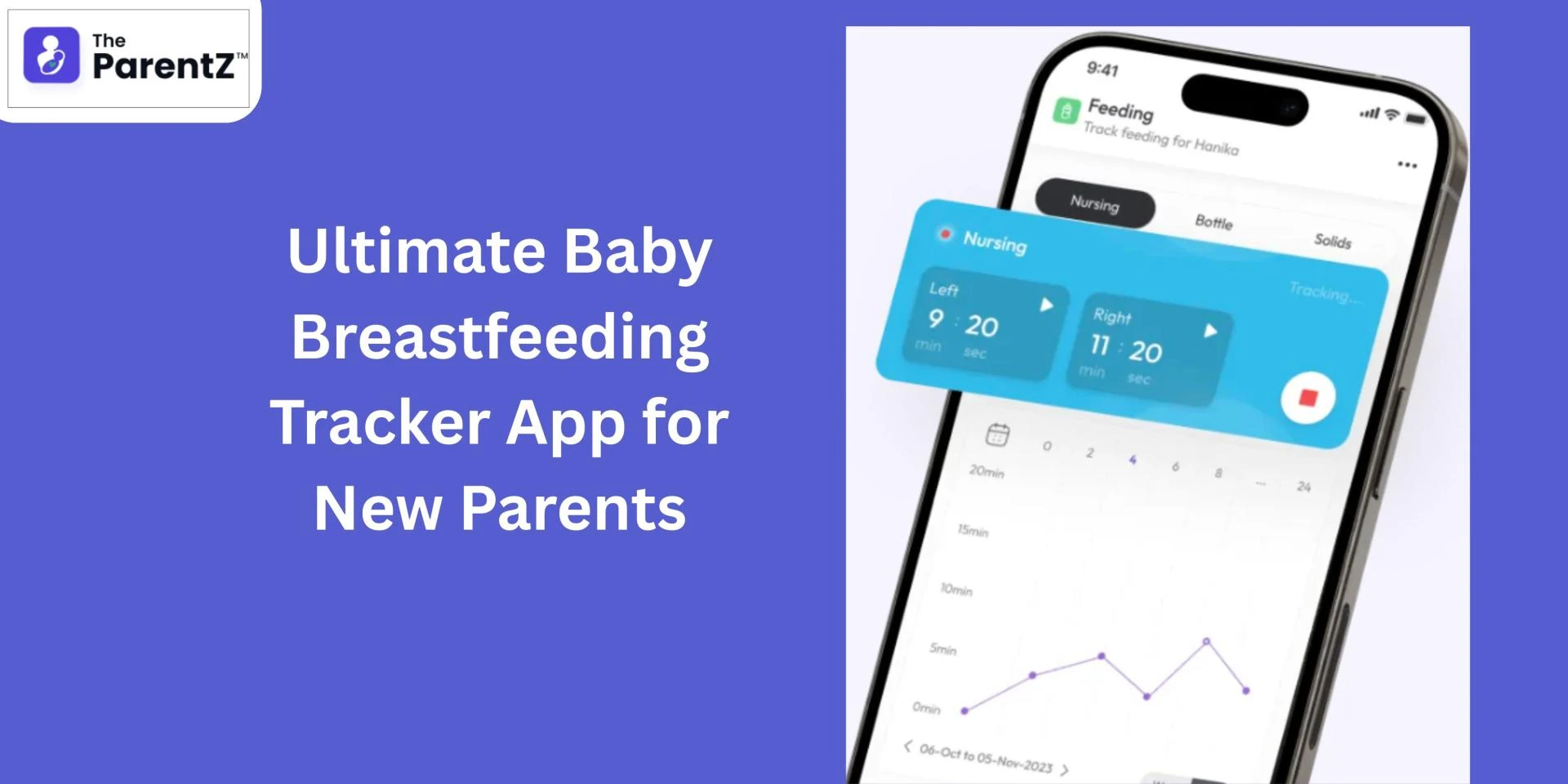
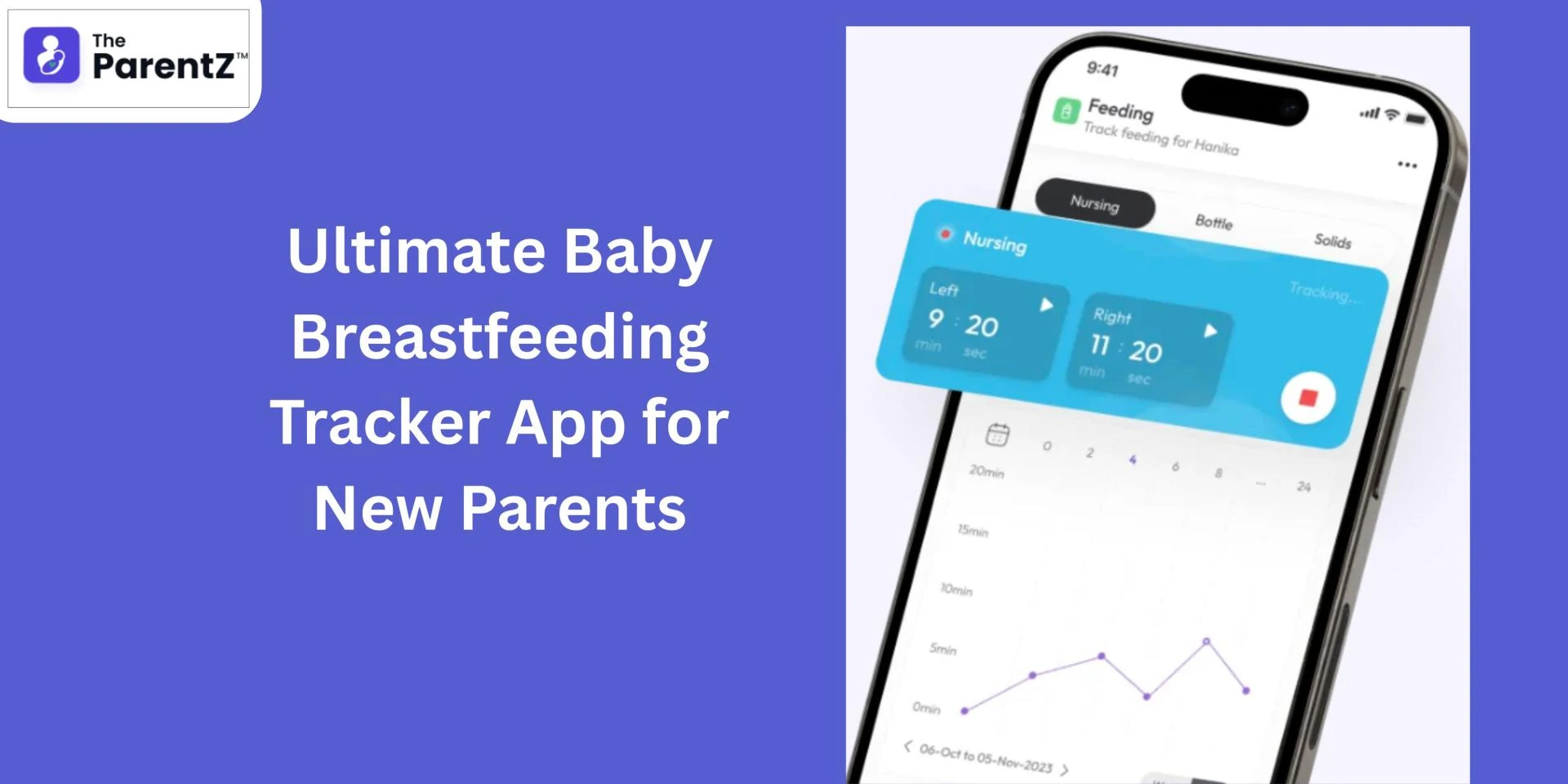
This is exactly where a breastfeeding tracking app for moms can quietly save your sanity. Instead of trying to remember everything half-asleep, you log it once and move on. Many parents in India now use simple tools like this one:
Let’s be honest: Night feeds are harder than people admit
Day feeds are manageable. There’s light. There’s tea. There are people around.
Night feeds are different.
You’re alone.
You’re tired.
Time feels strange.
And if your baby feeds every 2–3 hours, you barely finish one sleep cycle before the next wake-up.
In many Indian homes, moms still handle most night feeds. Grandparents help during the day. Husbands help when they can. But 2 a.m. usually belongs to mom.
And that’s where the mental load becomes heavy.
So what exactly does tracking change?
A breastfeeding tracking app for moms simply records:
- When the baby is fed
- How long did the feed lasted
- Which side did you used
- Pumping sessions
- Diaper output
That’s it.
But here’s the part people don’t say loudly enough: when you stop guessing, you fall back asleep faster.
Guessing keeps your brain active.
Data lets your brain relax.
The real problem isn’t feeding. It’s the guessing.
New moms often ask:
- Is she hungry again?
- Did she feed properly?
- Why is she waking again?
- Is my milk enough?
Without tracking, every wake-up feels like a mystery.
With tracking, you can see patterns.
And patterns are powerful.
If you’re already trying to Track Your Child's Health and Growth, feeding is the first layer. Sleep, growth, development — it all connects.
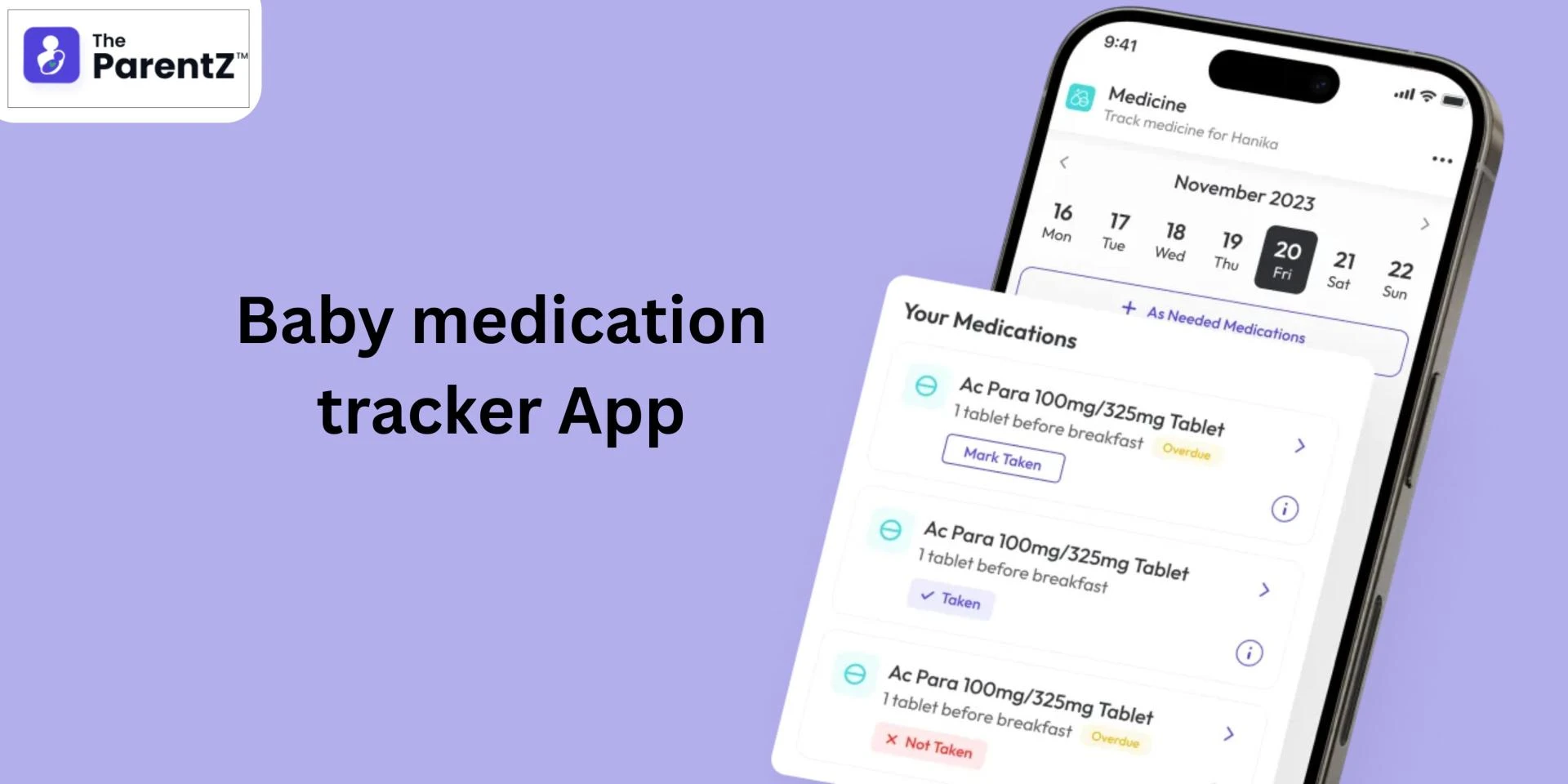
Here’s a helpful overview many parents read:
But honestly? Night feeds are where tracking matters most.
How Tracking Actually Helps You Sleep More
No, it won’t magically make your baby sleep 8 hours.
Let’s be realistic.
But it helps in small ways that add up.
1. You avoid overfeeding
Sometimes babies wake out of habit, not hunger. If the last feed was 45 minutes ago and was full, you know it might not be hunger.
That clarity shortens wake time.
2. You catch patterns
Maybe your baby:
- Cluster feeds between 8 p.m. and 11 p.m.
- Sleeps longest after a full late-night feed
- Wakes every 90 minutes when feeds are too short
You won’t see this by memory alone.
3. You reduce anxiety
This one is huge.
When you can see 6–8 good feeds logged, you stop doubting yourself every hour.
What Usually Works (From Real Experience)
Let me be practical here.
These things usually work:
- Logging feeds immediately after finishing
- Encouraging a full feed before you sleep
- Watching diaper output daily
- Using dim light to avoid fully waking yourself
Tracking consistently for at least 5–7 days shows clear patterns. Less than that, and it’s random.
What Often Fails
Let’s talk about what doesn’t work.
- Obsessively tracking every minute
- Comparing your baby’s numbers to someone else’s
- Trying to force a strict schedule too early
- Giving up after two days
Also, some moms turn tracking into pressure. That defeats the purpose. It’s a guide, not a report card.
My Honest Opinion
Here’s my personal take after years of writing and speaking with parents:
I think every breastfeeding mom should track during the first few months.
Not forever. Not rigidly.
But long enough to understand her baby’s rhythm.
Because memory at 3 a.m. is unreliable. And mental peace is underrated.
Can Tracking Improve Baby’s Sleep?
Yes. Slowly.
Babies like rhythm. Not strict timetables. Just rhythm.
When feeds are:
- Full
- Consistent
- Well spaced
Sleep stretches improve naturally.
Tracking helps you spot:
- Growth spurts
- Comfort nursing
- True hunger cycles
Without data, everything feels urgent.
Breastfeeding Tracking vs Not Tracking
| Without Tracking | With Tracking |
|---|---|
| “When did she last feed?” | Clear answer in seconds |
| Stress | Calm |
| Random wakeups | Pattern-based wakeups |
| Partner confusion | Shared clarity |
| Doubt about milk supply | Visible evidence |
It’s not dramatic. It’s subtle. But subtle changes reduce exhaustion.
Does It Help Milk Supply?
Indirectly, yes.
Milk supply depends on demand.
If feeds are too short or one side is ignored repeatedly, the supply may dip. Tracking helps balance sides and notice patterns.
Think of it like watering plants. If you water randomly, some plants suffer. If you track lightly, everything stays balanced.
For Working Moms in India
This matters even more.
When you return to work:
- Pump timing becomes important
- Caregivers need clear instructions
- Supply consistency matters
A breastfeeding tracking app for moms creates a record you can share.
Without it, it’s guesswork.
And guesswork is stressful when you’re already juggling work and motherhood.
Step-by-Step: How to Use Tracking Without Stress
Step 1: Keep it simple
Track only:
- Start time
- Duration
- Side
Ignore extras at first.
Step 2: Observe for one week
Don’t change anything. Just observe.
Step 3: Look for the longest sleep stretch
Protect that stretch. Sleep during it. Don’t scroll.
Step 4: Adjust gently
If the baby feeds every hour at night but barely during the day, increase daytime feeds slowly.
Small changes work better than big ones.
Is It Extra Work?
In the beginning, yes. Slightly.
But you’re already awake and feeding. Logging takes seconds.
And here’s the truth: worrying for 20 minutes takes more energy than logging for 5 seconds.
Common Questions Moms Ask
Will tracking make me anxious?
Only if you treat it like a performance chart. Use it as guidance, not judgment.
How long should I track?
The first 3–4 months are most useful.
Can dads use it too?
They should. It reduces midnight arguments about who fed last.
What if I miss logging?
Nothing bad happens. Just continue. Perfection is not required.
A Word About Mental Health
Sleep deprivation affects mood. That’s not a weakness.
According to WHO data, postpartum mood struggles affect many women globally. Lack of sleep adds to that weight.
Tracking won’t cure exhaustion. But reducing uncertainty helps your brain rest faster after each wake-up.
And sometimes that’s enough.
Final Thoughts: Rest Matters More Than We Admit
Motherhood is often glorified as self-sacrifice. But chronic exhaustion is not a badge of honor.
A breastfeeding tracking app for moms won’t make your baby sleep through the night.
But it will:
- Reduce guessing
- Build confidence
- Shorten unnecessary wake time
- Help you see patterns
And in those early months, small wins matter.
At The Parentz, tools are meant to support you — not pressure you.
Because when you sleep a little better, everything feels a little easier.
Key Takeaways
- Broken sleep feels worse than short sleep.
- Guessing increases stress.
- Tracking builds clarity.
- Patterns improve rhythm.
- Small habits reduce mental load.

























Sign in to leave a comment.