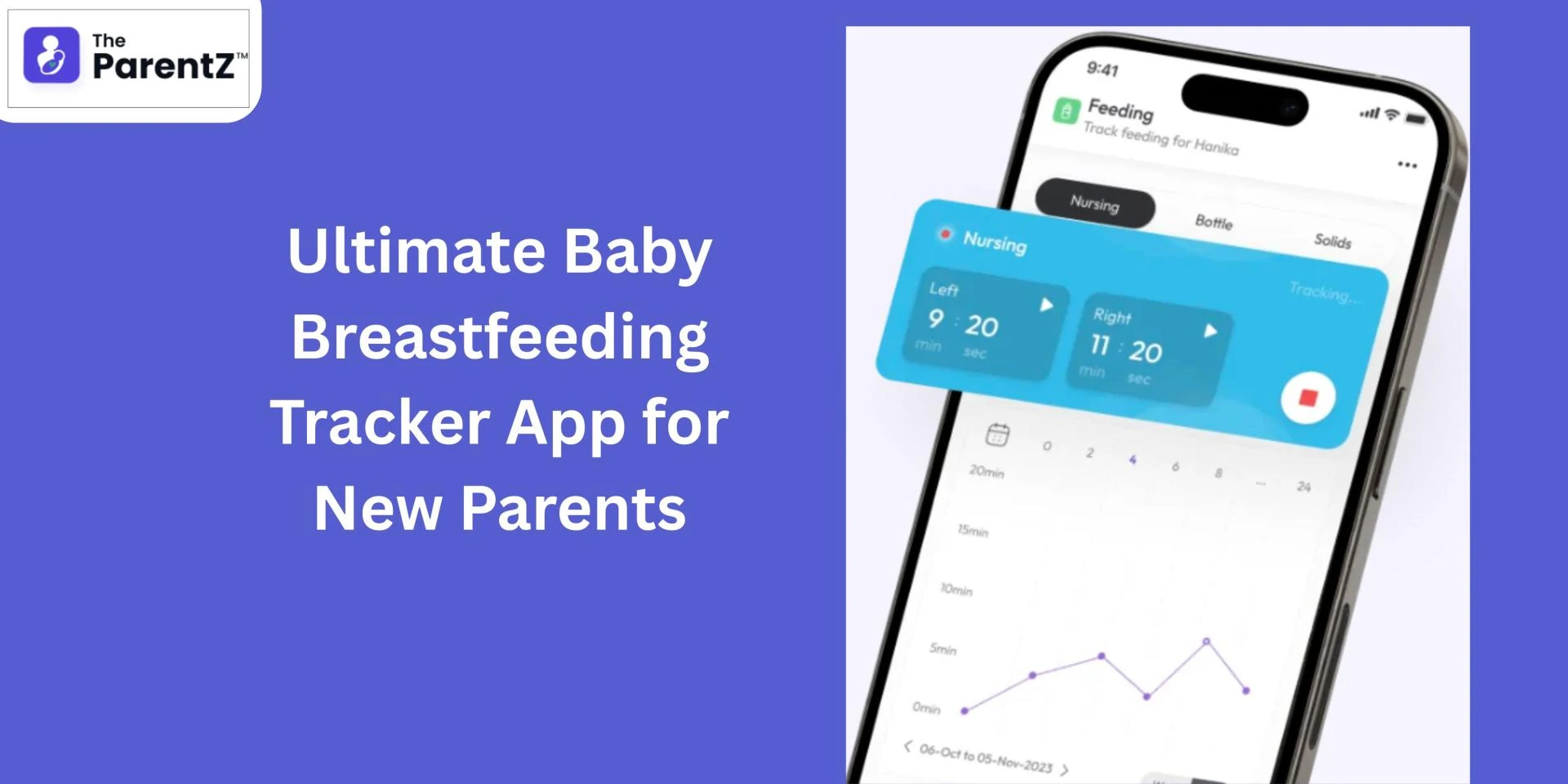

Breastfeeding sounds natural. And it is. But that doesn’t mean it’s easy.
According to the World Health Organization (WHO), only about 44% of infants worldwide are exclusively breastfed for the first six months, even though most mothers start with the intention to do so. One big reason? Feeding is hard to manage, especially in the early weeks. This is where a breastfeeding app tracker with a timer and reminders quietly becomes a lifesaver. Not because it’s fancy. But because it keeps tired moms from guessing.
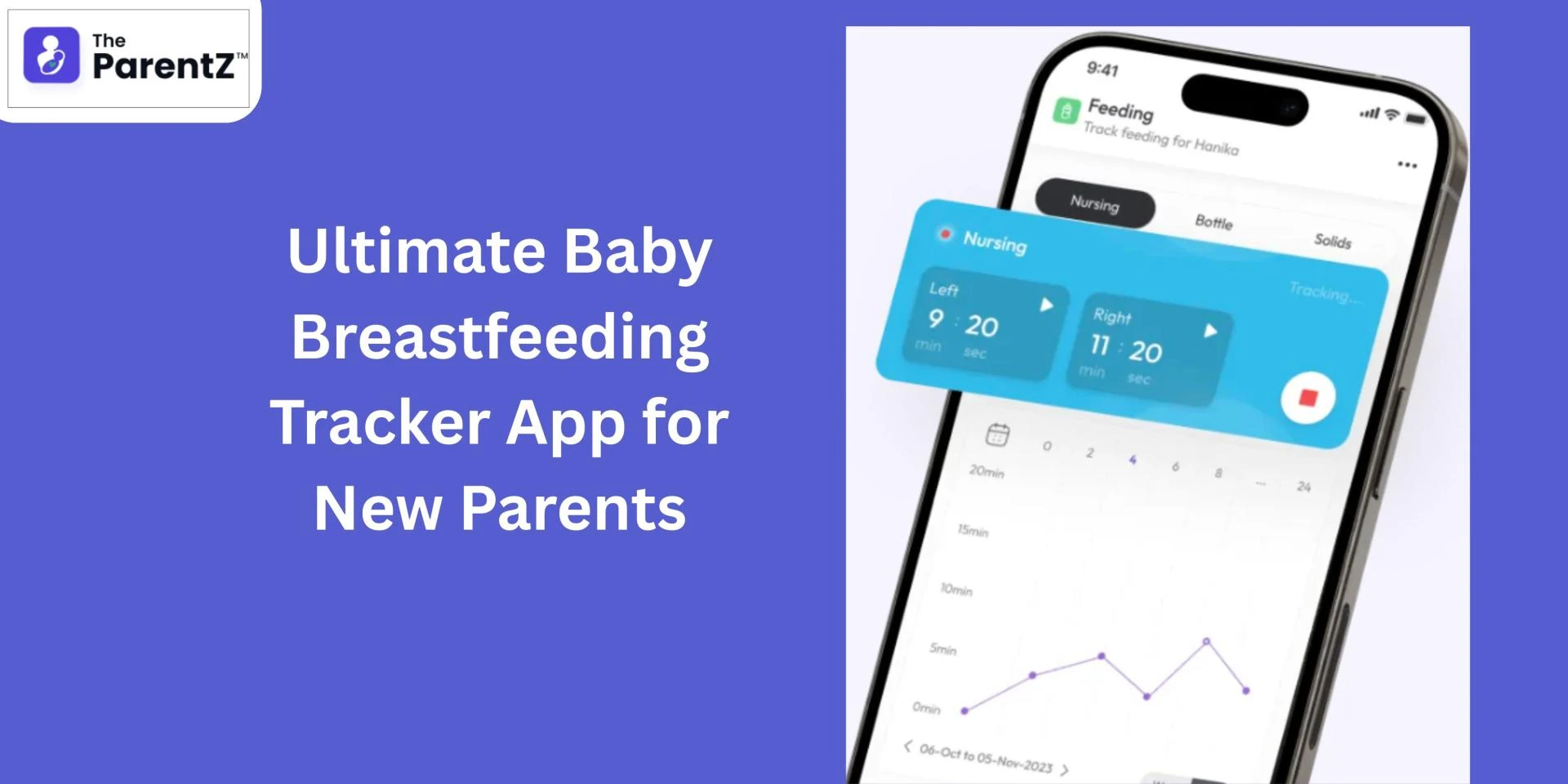
What Is a Breastfeeding App Tracker With Timer and Reminders?
Let’s keep this simple.
It’s an app that helps you:
- Time each feed
- Track which side you used
- Remind you when the next feed is due
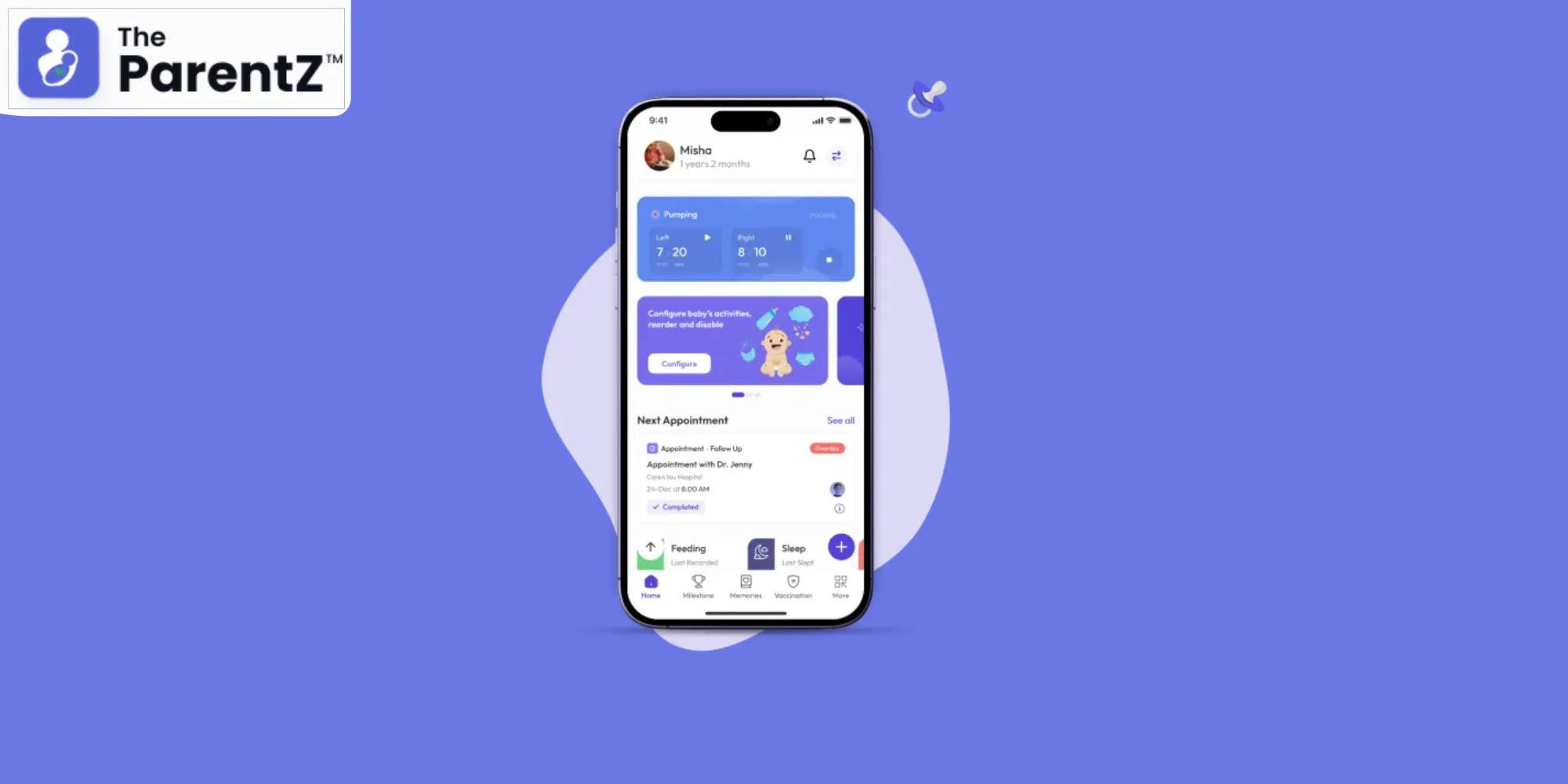
- Log pumping sessions
- Notice patterns over time
Think of it like a stopwatch plus a notebook that never gets lost.
Instead of asking yourself, “Was it the left side or right?” for the tenth time today, the app remembers for you.
Why Breastfeeding Feels So Hard for So Many Moms
No one talks about the mental load.
New moms are expected to:
- Feed every 2–3 hours
- Switch sides correctly
- Track baby’s intake
- Notice supply changes
- Watch for pain or issues
All while running on broken sleep.
In Indian households, this pressure often doubles. Advice comes from everywhere. Everyone has a rule. That’s when tracking stops feeling optional and starts feeling necessary.
How a Tracking App Actually Helps (Without Making You Anxious)
Used the right way, a breastfeeding app doesn’t control you. It supports you.
It gives you:
- Clear information
- Gentle reminders
- Proof that you are feeding enough
And yes, it also connects to awareness around health topics like Breast Self-Checks Matter, because tracking makes you more in tune with your body, not less.
8 Real Ways a Breastfeeding Tracking App Makes Feeding Easier
Let’s get into what actually works in daily life.
1. Timers Stop the “How Long Was That?” Guessing Game
Why does timing feed matter?
Because short feeds and long feeds mean different things.
A timer shows:
- Actual feeding duration
- Whether the baby is actively feeding or comfort sucking
- Patterns over the day
This is especially useful in the first 6–8 weeks when feeds blur together.
What works: starting the timer as soon as the baby latches.
What fails: trying to remember timings later.
2. Side Tracking Prevents Lopsided Feeding
Why does side tracking matter?
Breastfeeding from the same side repeatedly can lead to:
- Engorgement
- Blocked ducts
- Supply imbalance
The app records which side was last used, so you don’t have to rely on memory.
It’s like leaving your shoe on one side of the bed as a reminder. Simple. Effective.
3. Reminders Reduce Missed or Late Feeds
Do reminders really help?
Yes. Especially at night.
Sleep-deprived brains forget things. Reminders:
- Nudge you before the baby gets overly hungry
- Help maintain supply in early weeks
- Reduce panic crying
In joint families, reminders also help caregivers stay in sync.
4. Pattern Tracking Shows What’s Normal (For Your Baby)
Why patterns matter more than single feeds
One short feed means nothing.
Five short feeds every evening? That’s a pattern.
Apps show:
- Cluster feeding times
- Growth spurts
- Changes in feeding rhythm
This stops unnecessary worry and helps you respond calmly.
5. Pumping Logs Makes Working Moms’ Lives Easier
Why does pumping need tracking
For working moms or combo feeders:
- Pump times
- Output amount
- Storage notes
All matter.
A breastfeeding app tracker with a timer and reminders keeps everything in one place. No notes. No confusion. Just clear records.
6. Health Awareness Improves When You Track Regularly
Tracking makes you notice changes faster.
Things like:
- Pain on one side
- Sudden drop in feed duration
- Discomfort or swelling
That awareness supports early action, which is why topics like breast self-checks naturally become part of the conversation when moms track consistently.
7. Doctor Visits Become Less Stressful
Ever been asked this?
“How often is the baby fed?”
And your mind goes blank.
With a tracker, you can:
- Show feeding frequency
- Share duration trends
- Answer confidently
Doctors don’t need perfection. They need patterns. Apps provide that.
8. Confidence Grows When Data Replaces Doubt
This one is underrated.
Most moms stop breastfeeding not because of supply issues, but because of doubt.
Tracking shows:
- You are feeding often enough
- Baby has a rhythm
- Supply changes are normal
Confidence grows when facts replace fear.
Breastfeeding With vs Without a Tracking App
| Aspect | Without App | With App |
|---|---|---|
| Feed timing | Guesswork | Clear |
| Side tracking | Memory-based | Automatic |
| Night feeds | Confusing | Organized |
| Doctor visits | Stressful | Easy |
| Mom’s confidence | Low | Higher |
More information doesn’t mean more pressure. It means more clarity.
How to Use a Breastfeeding Tracker Without Obsessing
Here’s what usually works best:
- Track every feed for the first 10–14 days
- Turn on gentle reminders
- Review patterns every 2–3 days
- Stop tracking details once the routine settles
- Keep reminders if helpful
What often fails:
- Tracking every minute for months
- Compared to other moms
- Chasing “perfect” numbers
Use the app. Don’t let it use you.
A Real Example From an Indian Mom
Pooja, Pune (first-time mom)
She worried her baby wasn’t feeding enough. Tracking showed 10–11 feeds daily with good duration.
The doctor confirmed the baby was doing well.
The app didn’t increase supply.
It reduced anxiety.
That made feeding easier.
My Honest Opinion After Years of Writing on Parenting
Breastfeeding apps don’t replace instinct.
But they protect instinct from exhaustion.
In my view, a breastfeeding app tracker with a timer and reminders is most useful in the first 2–3 months. After that, many moms naturally rely less on it. And that’s fine.
The goal isn’t dependence. It’s support.
Why The Parentz Keeps Things Practical
What stands out about The Parentz approach is restraint.
It doesn’t:
- Shame moms
- Push perfection
- Overload with features
It focuses on what actually helps during real feeding days and sleepless nights. That’s rare, and valuable.
Final Thoughts: Feeding Easier Doesn’t Mean Feeding Perfect
Breastfeeding doesn’t need to be flawless to be successful.
It needs:
- Support
- Clarity
- Less pressure
A breastfeeding app tracker with a timer and reminders gives you those things quietly, in the background, while you focus on your baby.
That’s exactly how tools should work.
Key Takeaways
- Breastfeeding is natural but mentally demanding
- Timers remove guesswork
- Reminders prevent missed feeds
- Pattern tracking builds confidence
- Apps work best when used lightly
- Early support matters more than long-term tracking
With the right balance, tools like the one from The Parentz make feeding feel calmer, not clinical.



























Sign in to leave a comment.